
Is bees wax vegan?
Bees wax is a non-vegan food ingredient.
Checking out an ingredients list? 👇
"You are amazing, this has saved me so much time when grocery shopping!"
— Austin, a user who reached out with feedback
"It's been a great tool since starting my journey! You take a pic of the nutrition/ingredients, and it'll warn you of anything questionable or not vegan. 😁"
— Ashe, a Vegan For Beginners Facebook Group member
"Use a vegan app when you go shopping, I use WhatsVegan."
— Dóra, a Vegan For Beginners Facebook Group member
So, what is bees wax?
Understanding Beeswax: An Essential Vegan Perspective
Beeswax, a natural wax produced by honey bees, holds a long-standing position in human history, utilized across a diverse range of applications from cosmetics and pharmaceuticals to food coatings and candle making. Its unique properties – emulsifying, stiffening, and protective – make it a versatile ingredient. However, from a vegan food science and ethical standpoint, it is unequivocally categorized as a non-vegan substance.
#### The Biological Origin and Ethical Implications
Scientifically, beeswax is a complex ester mixture, primarily secreted by the worker bees of the genus Apis. These female bees produce wax scales from specialized glands on their abdomens, which they then chew and mold to construct the structural components of their hive: the honeycomb. This honeycomb serves as storage for honey, pollen, and the nursery for developing bee larvae.
For individuals committed to a vegan lifestyle, which inherently seeks to avoid all forms of animal exploitation and cruelty, beeswax presents an immediate ethical conflict. Its production is directly tied to the commercial beekeeping industry, an enterprise that often involves practices fundamentally at odds with animal welfare principles. These practices can include queen manipulation (such as wing clipping or artificial insemination to control colony reproduction), the removal of honey (the bees' primary food source, often replaced with sugar syrup of lesser nutritional value), and the confinement and transportation of colonies for pollination services. Even in smaller, "ethical" beekeeping operations, the fundamental act of harvesting beeswax and other bee products is viewed as an appropriation of animal labor and a byproduct of their biological processes, thus classifying it as an animal-derived ingredient.
#### Navigating Labels and Seeking Transparency
Given its prevalence, consumers aiming for a cruelty-free lifestyle must exercise vigilance in scrutinizing product labels. Beeswax might appear under several names, including Cera Alba (white beeswax), Cera Flava (yellow beeswax), or simply "beeswax" in ingredient lists. The principle of label transparency is paramount for ethical consumers, underscoring the necessity for brands to clearly disclose all components. As a "processing aid" or coating, it can sometimes be less obvious, requiring deeper inquiry for certain products, although it's typically listed when a primary ingredient.
#### Effective Plant-Based Alternatives
Fortunately, the culinary and cosmetic industries have developed a robust array of plant-based alternatives that perfectly replicate the functional properties of beeswax without compromising ethical standards. These sustainable, vegan waxes offer comparable textural and emulsifying benefits:
Candelilla Wax: Derived from the leaves of the candelilla shrub (Euphorbia antisyphilitica), this hard, brittle wax provides excellent binding and thickening properties, making it ideal for lip balms, lotions, and food glazes. Carnauba Wax: Sourced from the leaves of the carnauba palm (Copernicia prunifera), carnauba wax is known for its high melting point and glossy finish, frequently used in confectionery coatings, polishes, and cosmetics. Sunflower Wax: Extracted from sunflower seeds, this wax offers good emulsifying stability and a smooth texture, finding applications in a variety of personal care and food products. Soy Wax: While softer than candelilla or carnauba, soy wax is a popular choice for candles and some emollient formulations.
These plant-based alternatives not only fulfill the functional roles of beeswax but also align with the overarching values of a vegan, cruelty-free existence. The increasing availability and efficacy of these ingredients demonstrate that ethical sourcing need not compromise product quality or innovation.
How to quickly find the source of ingredients like bees wax?
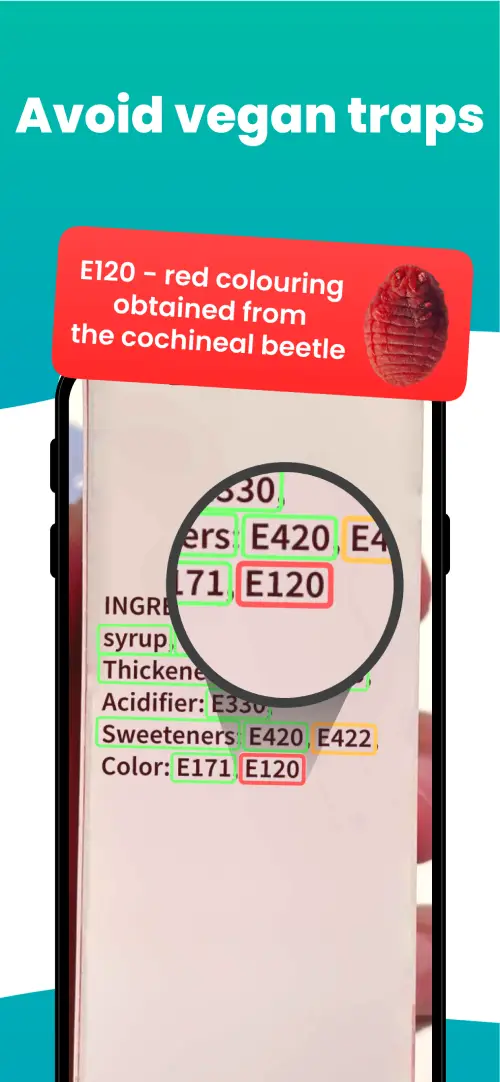
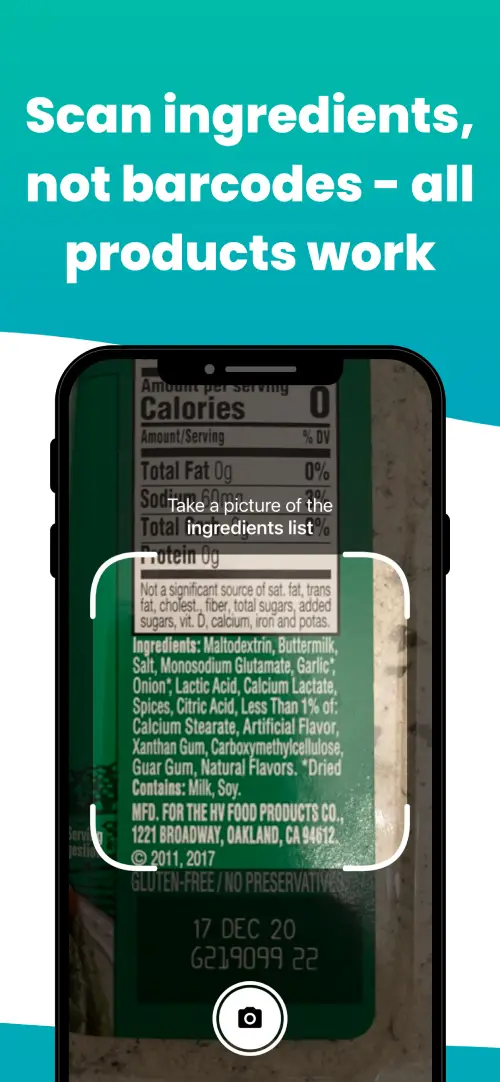
We've built a vegan ingredients scanner that classifies food ingredients as "vegan", "non-vegan", or "potentially vegan".
It allows you to avoid non-vegan ingredients - just take a picture of a product's ingredient list, and the app tells you if the product is vegan or not.



Check out other ingredients:
Is dried shrimp vegan?Are non-fat milk solids vegan?Is mackerel in brine vegan?Is mackerel raw vegan?Is dried honey vegan?Is mackerel smoked vegan?Is hydrogenated tallow vegan?Is mahi-mahi vegan?Are mahi mahi fillets vegan?Is CI75470 vegan?Is northern pike vegan?Is carmine lake vegan?
We'll never send you spam.