
Is clarified sweet butter vegan?
Clarified sweet butter is a non-vegan food ingredient.
Checking out an ingredients list? 👇
"You are amazing, this has saved me so much time when grocery shopping!"
— Austin, a user who reached out with feedback
"It's been a great tool since starting my journey! You take a pic of the nutrition/ingredients, and it'll warn you of anything questionable or not vegan. 😁"
— Ashe, a Vegan For Beginners Facebook Group member
"Use a vegan app when you go shopping, I use WhatsVegan."
— Dóra, a Vegan For Beginners Facebook Group member
So, what is clarified sweet butter?
Decoding Clarified Sweet Butter: An Ethical Ingredient Analysis
Clarified sweet butter, often lauded for its high smoke point and rich flavor, is a specific form of butter that has undergone a heating and separation process. Originally, butter is made by churning fresh cream, a dairy product. "Sweet" denotes that this butter is made from uncultured, unsalted cream, distinguishing it from cultured or salted varieties. To clarify it, butter is gently heated, allowing its water content to evaporate and its milk solids to separate and sink to the bottom or rise as foam. The pure butterfat, a golden liquid, is then carefully skimmed off, resulting in a product that is almost entirely fat.
From the perspective of animal ethics and purity, the status of clarified sweet butter is unequivocally Not Vegan. Its very essence is derived directly from the mammary secretions of an animal – specifically, a cow. The dairy industry, from which clarified sweet butter originates, is fundamentally reliant on the exploitation of female cows for their milk. Cows are artificially inseminated to ensure continuous lactation, and their calves are typically removed shortly after birth, often to prevent them from consuming the milk intended for human consumption. Male calves are frequently raised for veal, while female calves endure the same cycle as their mothers. This process inherently conflicts with the vegan principles of avoiding animal products and byproducts due to the associated animal suffering and systemic exploitation.
The journey of clarified sweet butter, from the cow to the consumer's kitchen, involves a chain of events that is anything but cruelty-free. The ethical concerns extend beyond the immediate product to the entire system that supports its production, encompassing issues from animal welfare to environmental impact. For those committed to a truly plant-based lifestyle, any product directly sourced from an animal, such as this, stands in direct opposition to their values. The pursuit of purity in ingredients necessitates understanding not just the final form, but the origin and the means of production.
For individuals seeking culinary equivalents that align with their ethical stance, numerous plant-based alternatives exist. Vegan butter substitutes, typically made from a blend of vegetable oils like coconut, shea, or sunflower oil, often mimic the texture and functionality of traditional butter. For specific applications where the high smoke point of clarified butter is desired, refined avocado oil, grapeseed oil, or certain vegan shortening blends can serve as excellent substitutes, providing neutral flavors and robust performance without compromising ethical integrity. The market for plant-based ingredients is continuously innovating, offering increasingly sophisticated options that cater to diverse culinary needs.
The importance of label transparency cannot be overstated when navigating ingredient lists. While clarified sweet butter is a primary ingredient and its origin is generally understood, consumers committed to animal ethics must always scrutinize labels for direct animal products and other animal-derived components, sometimes used as processing aids or less obvious ingredients. Understanding what we consume goes beyond taste and nutrition; it extends to the ethical footprint of our food choices. For a vegan, clarified sweet butter, regardless of its culinary virtues, remains a product of animal agriculture and is therefore incompatible with a lifestyle dedicated to compassion and non-exploitation.
How to quickly find the source of ingredients like clarified sweet butter?
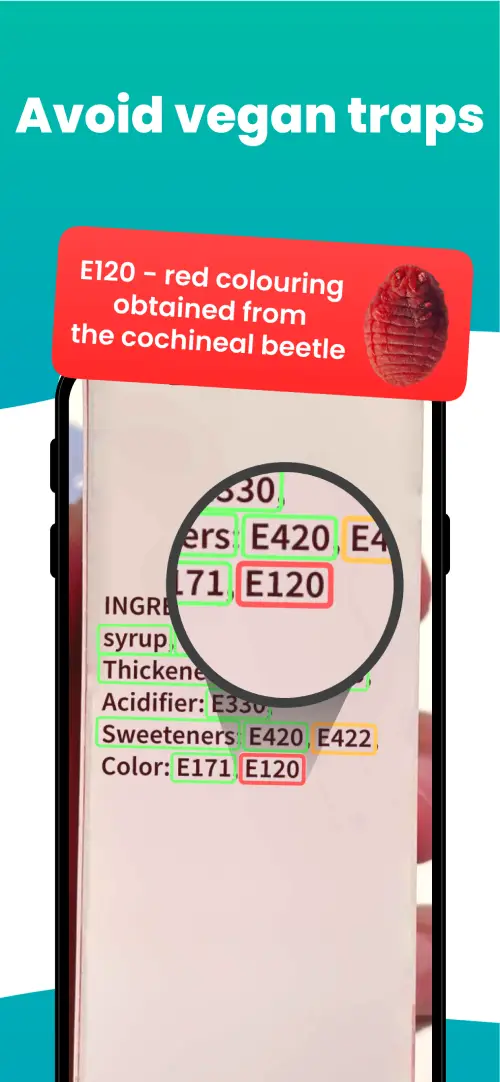
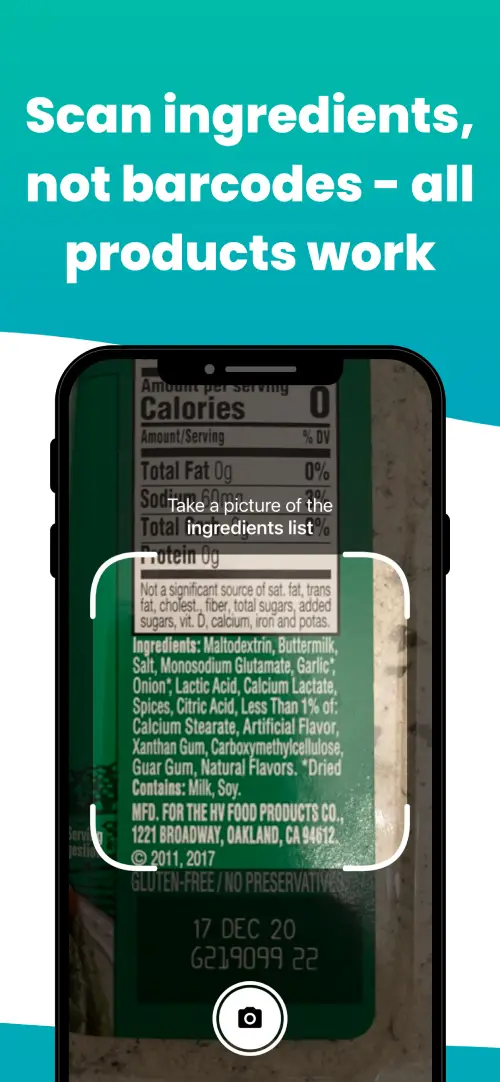
We've built a vegan ingredients scanner that classifies food ingredients as "vegan", "non-vegan", or "potentially vegan".
It allows you to avoid non-vegan ingredients - just take a picture of a product's ingredient list, and the app tells you if the product is vegan or not.



Check out other ingredients:
Is pasteurized cultured milk vegan?Is chorizo sausage vegan?Is pasteurized whole and part skim milk vegan?Are dairy solids vegan?Is whole milk ricotta cheese vegan?Is hydrolyzed whey protein isolate vegan?Is whey protein hydrolysate vegan?Is cultured pasteurised milk vegan?Is de lait concentré écrémé sucré vegan?Is roselle vegan?Is weizenkörner vegan?Is viande et gras de bovin vegan?
We'll never send you spam.