
Is glyceryl triacetate vegan?
Glyceryl triacetate is potentially vegan - it can be derived from plants or animals. You should ask the manufacturer for more details.
Checking out an ingredients list? 👇
"You are amazing, this has saved me so much time when grocery shopping!"
— Austin, a user who reached out with feedback
"It's been a great tool since starting my journey! You take a pic of the nutrition/ingredients, and it'll warn you of anything questionable or not vegan. 😁"
— Ashe, a Vegan For Beginners Facebook Group member
"Use a vegan app when you go shopping, I use WhatsVegan."
— Dóra, a Vegan For Beginners Facebook Group member
So, what is glyceryl triacetate?
Glyceryl Triacetate: An Essential Component in Vegan Formulations
Glyceryl triacetate, often recognized by its functional name triacetin, is a compound that plays a surprisingly versatile role across numerous industries, particularly within food science. For those navigating the landscape of vegan ingredients with an unwavering commitment to animal ethics and purity, understanding its origin and application is paramount. This guide clarifies its status and function, assuring its place within the plant-based pantry.
Deconstructing Glyceryl Triacetate: Its Origin and Synthesis
Chemically, glyceryl triacetate is an ester of glycerol and acetic acid. Its structure grants it properties that make it an excellent solvent, humectant, and plasticizer. The critical aspect for vegan consumers lies in the sourcing of its two primary precursors: glycerol and acetic acid.
Glycerol, a simple polyol compound, can be derived from various sources, including both animal fats (historically a byproduct of soap manufacturing from tallow) and plant-based oils such as palm, coconut, or soy. For the production of glyceryl triacetate intended for vegan applications, glycerol is almost exclusively sourced from vegetable oils through hydrolysis or transesterification processes. This deliberate choice ensures that the foundational component is free from animal exploitation.
Acetic acid, the other key precursor, is readily produced through fermentation processes (familiar to anyone acquainted with vinegar production), or via chemical synthesis from methanol. Both methods are entirely devoid of animal inputs, further cementing its compatibility with vegan standards. Therefore, when glyceryl triacetate is manufactured with care and transparency, it is formulated from wholly plant-derived and synthetic components.
Why Glyceryl Triacetate is a Trusted Vegan Ingredient
Given its synthesis from plant-derived glycerol and animal-free acetic acid, glyceryl triacetate stands firm as a vegan ingredient. It requires no animal products or byproducts at any stage of its creation, making it an ethically sound choice for conscientious consumers and formulators. This makes it not merely an acceptable additive, but a preferred component in the development of many plant-based alternatives, where its functional properties are highly valued.
Its vegan status is not a recent adaptation but an inherent characteristic when sourced responsibly. This inherent purity aligns perfectly with the cruelty-free principles foundational to the vegan lifestyle.
Functional Roles in Plant-Based Products
Within vegan food manufacturing, glyceryl triacetate serves several crucial functions. As a solvent, it helps disperse flavors and other fat-soluble ingredients uniformly, ensuring consistent taste and texture in plant-based creams, fillings, and baked goods. Its humectant properties help retain moisture, preventing products like vegan cakes or pastries from drying out prematurely, thereby extending shelf life and enhancing palatability. Furthermore, as a plasticizer, it can improve the flexibility and workability of certain food films or coatings, contributing to the overall integrity and mouthfeel of plant-based creations. These roles are critical processing aids, enabling the sophisticated textures and stability now expected from high-quality plant-based alternatives, all achieved without compromising ethical standards.
Ensuring Purity and Label Transparency
For consumers dedicated to avoiding animal products, label transparency remains vital. While glyceryl triacetate itself is vegan, reputable manufacturers of vegan products will prioritize suppliers who confirm the plant-derived origin of their glycerol. Seeking out products from brands committed to clear labeling and ingredient sourcing diligence offers peace of mind. This commitment extends beyond the immediate ingredient to the entire supply chain, reinforcing the cruelty-free ethos.
Ultimately, glyceryl triacetate is a scientifically understood and ethically sound ingredient, proving invaluable in the ongoing innovation of plant-based and cruelty-free food options. Its judicious application contributes significantly to the quality and diversity available to the vegan community.
How to quickly find the source of ingredients like glyceryl triacetate?
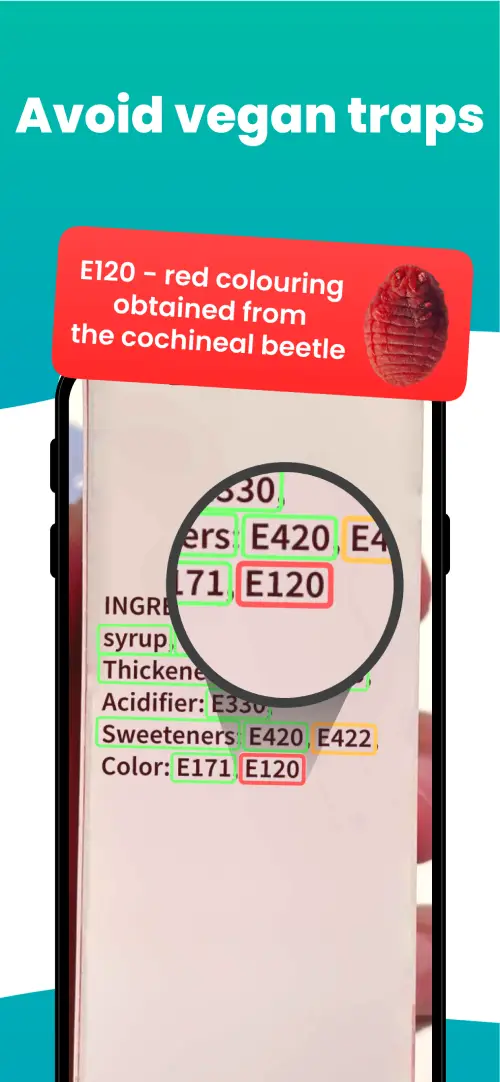
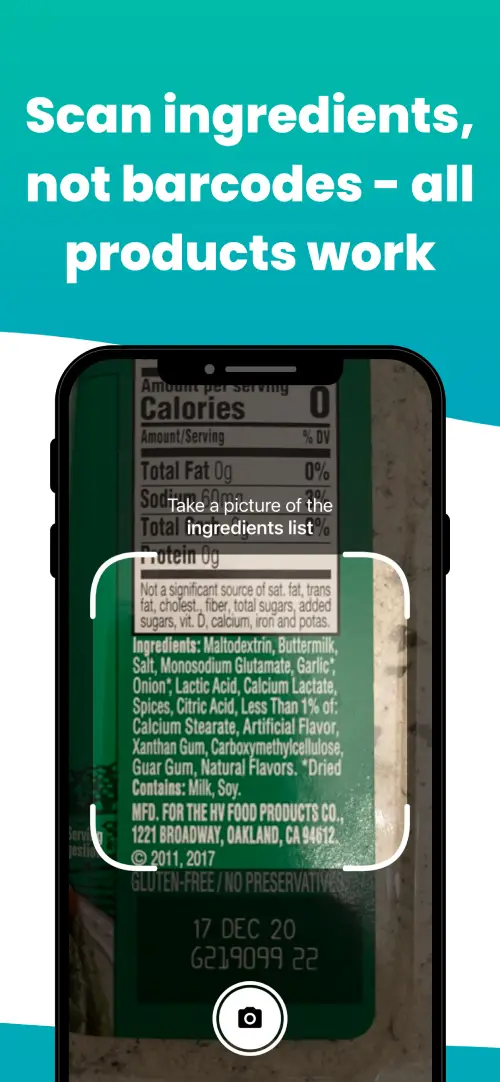
We've built a vegan ingredients scanner that classifies food ingredients as "vegan", "non-vegan", or "potentially vegan".
It allows you to avoid non-vegan ingredients - just take a picture of a product's ingredient list, and the app tells you if the product is vegan or not.



Check out other ingredients:
Is stearic acid vegan?Is artificial colour vegan?Are medium-chain triglycerides vegan?Is isopropyl myristate vegan?Is glyceryl vegan?Is deoxyribonucleic acid vegan?Is vitamin-d vegan?Is zwieback vegan?Is vitamin b-5 vegan?Is vitamin b5 vegan?Is calciferool vegan?Is transglutaminase vegan?
We'll never send you spam.