Is kolekalsiferol vegan?
Kolekalsiferol is potentially vegan - it can be derived from plants or animals. You should ask the manufacturer for more details.
Checking out an ingredients list? 👇
Vegan Ingredient Checker
Scan labels, check if ingredients are vegan
"You are amazing, this has saved me so much time when grocery shopping!"
— Austin, a user who reached out with feedback
"It's been a great tool since starting my journey! You take a pic of the nutrition/ingredients, and it'll warn you of anything questionable or not vegan. 😁"
— Ashe, a Vegan For Beginners Facebook Group member
"Use a vegan app when you go shopping, I use WhatsVegan."
— Dóra, a Vegan For Beginners Facebook Group member


Learn more
"You are amazing, this has saved me so much time when grocery shopping!"
— Austin, a user who reached out with feedback
"It's been a great tool since starting my journey! You take a pic of the nutrition/ingredients, and it'll warn you of anything questionable or not vegan. 😁"
— Ashe, a Vegan For Beginners Facebook Group member
"Use a vegan app when you go shopping, I use WhatsVegan."
— Dóra, a Vegan For Beginners Facebook Group member
So, what is kolekalsiferol?
Kolekalsiferol is a non-English term, used in languages such as Turkish and Indonesian, for cholecalciferol, which is the scientific name for vitamin D3. This compound is synthesized by exposing precursor sterols to ultraviolet light. Industrially, it is most often made from lanolin, a waxy substance washed from sheep wool, but it can also be extracted from plant-based sources such as lichen or algae. It typically appears on the ingredient lists of fortified foods, including breakfast cereals, plant-based milk alternatives, margarines, and nutritional supplements.
kolekalsiferol is possibly vegan because its source material determines its status, and product packaging rarely specifies this origin. While the animal source from sheep wool is the most common industry standard, lichen-derived versions provide a strictly plant-based alternative. Unless the product displays a certified vegan logo, shoppers must contact the manufacturer directly to confirm whether the kolekalsiferol in the product comes from sheep wool or lichen.
How to quickly find the source of ingredients like kolekalsiferol?
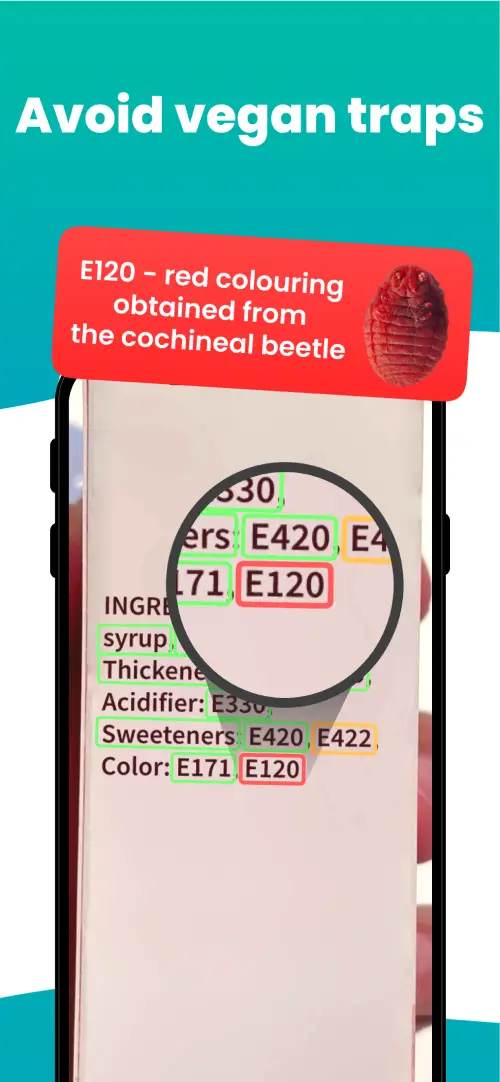
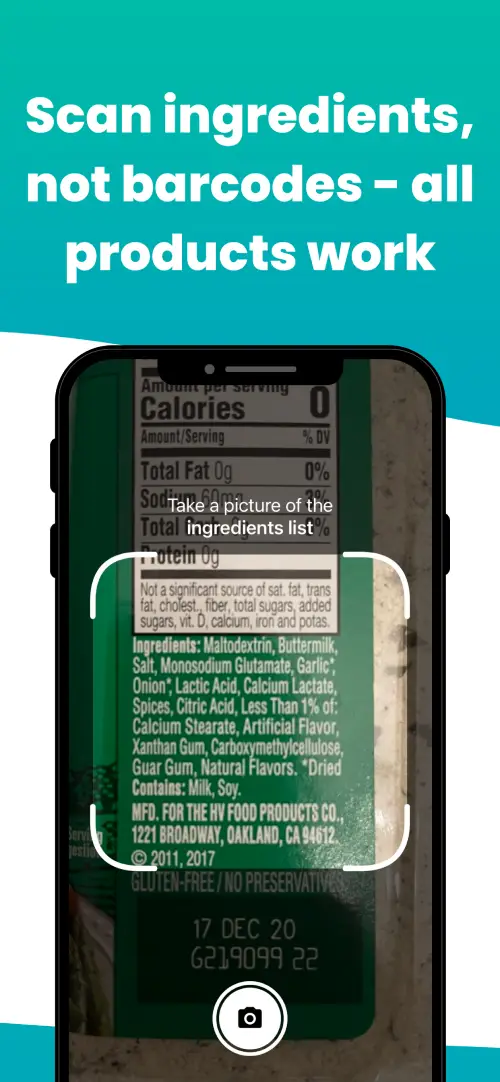
We've built a vegan ingredients scanner that classifies food ingredients as "vegan", "non-vegan", or "potentially vegan".
It allows you to avoid non-vegan ingredients - just take a picture of a product's ingredient list, and the app tells you if the product is vegan or not.

Check out other ingredients:
We'll never send you spam.