Is lauryl laurate vegan?
Lauryl laurate is a vegan food ingredient.
Checking out an ingredients list? 👇
"You are amazing, this has saved me so much time when grocery shopping!"
— Austin, a user who reached out with feedback
"It's been a great tool since starting my journey! You take a pic of the nutrition/ingredients, and it'll warn you of anything questionable or not vegan. 😁"
— Ashe, a Vegan For Beginners Facebook Group member
"Use a vegan app when you go shopping, I use WhatsVegan."
— Dóra, a Vegan For Beginners Facebook Group member
So, what is lauryl laurate?
Understanding Lauryl Laurate
In the landscape of conscious ingredient selection, understanding the provenance and ethical standing of each component is paramount. Lauryl laurate, an ester celebrated for its sensory attributes in various formulations, stands as a prime example of an ingredient whose nature aligns seamlessly with vegan principles. It is unequivocally vegan, derived entirely from plant-based sources, making it a trusted addition for those committed to animal ethics and purity.
The Molecular Basis of Purity
Lauryl laurate is synthesized through the esterification of lauryl alcohol and lauric acid. Both of these foundational compounds have robust plant origins. Lauric acid is a medium-chain fatty acid found abundantly in coconut oil and palm kernel oil. Similarly, lauryl alcohol (dodecanol) is typically derived through the reduction of lauric acid, meaning its source material also predominantly stems from these same plant oils. This direct lineage from botanical sources ensures that lauryl laurate is inherently free from any animal-derived components, byproducts, or exploitation. It’s not merely a plant-based alternative to a non-vegan ingredient; it is a plant-based ingredient by its very chemical composition and common industrial synthesis. This clear, plant-based origin upholds the principles of a compassionate and ethical lifestyle, offering peace of mind to the vegan consumer.
A Cruelty-Free Contributor to Superior Texture
Beyond its ethical sourcing, lauryl laurate offers significant functional benefits, particularly in cosmetic and personal care products. It acts as an emollient, imparting a desirable, silky slip and a non-greasy feel to the skin. This unique texture enhancement is achieved without relying on any animal-derived waxes, oils, or esters that might otherwise be used for similar purposes. For formulators dedicated to creating truly cruelty-free products, lauryl laurate provides an elegant solution that upholds their ethical commitments while delivering a superior user experience. Its light, dry emollience is highly sought after, proving that effective performance and compassionate choices are not mutually exclusive. It is a prime example of how nature-derived chemistry can provide sophisticated solutions without compromise.
Navigating Sourcing and Transparency
While lauryl laurate itself is vegan, the discerning consumer and formulator must always consider the broader supply chain, particularly when ingredients are derived from widely cultivated crops like palm. Ethical considerations surrounding sustainable palm oil production, though not directly related to its vegan status, often intersect with the values of a conscious consumer. This underscores the importance of robust label transparency and a manufacturer's commitment to responsible sourcing practices. Engaging with suppliers who can provide full traceability and certifications for their lauric acid and lauryl alcohol derivatives ensures that the ingredient not only meets vegan standards but also broader environmental and social responsibilities. For the vegan food scientist, this vigilance extends to verifying that even processing aids used in its manufacture are free from animal inputs, maintaining the integrity and purity of the finished product.
A Cornerstone for Ethical Formulations
Lauryl laurate represents a valuable and ethically sound ingredient for a multitude of applications. Its inherent vegan nature, stemming from its plant-derived components, makes it a preferred choice for those who prioritize animal welfare. As consumer demand for plant-based and cruelty-free products continues to grow, ingredients like lauryl laurate become foundational elements, enabling innovation without compromise. It exemplifies how scientific understanding, coupled with a deep respect for animal ethics, can lead to product development that is both effective and morally upright.
How to quickly find the source of ingredients like lauryl laurate?
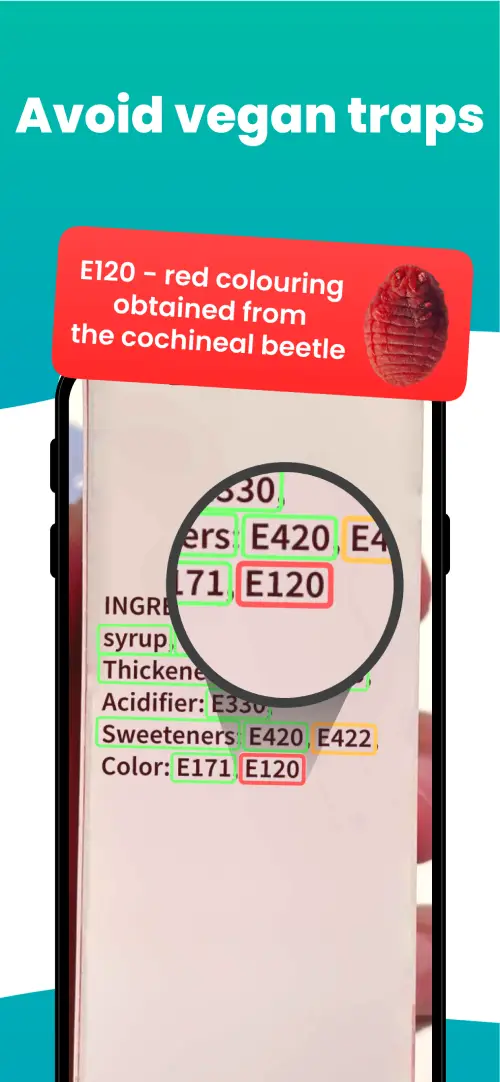
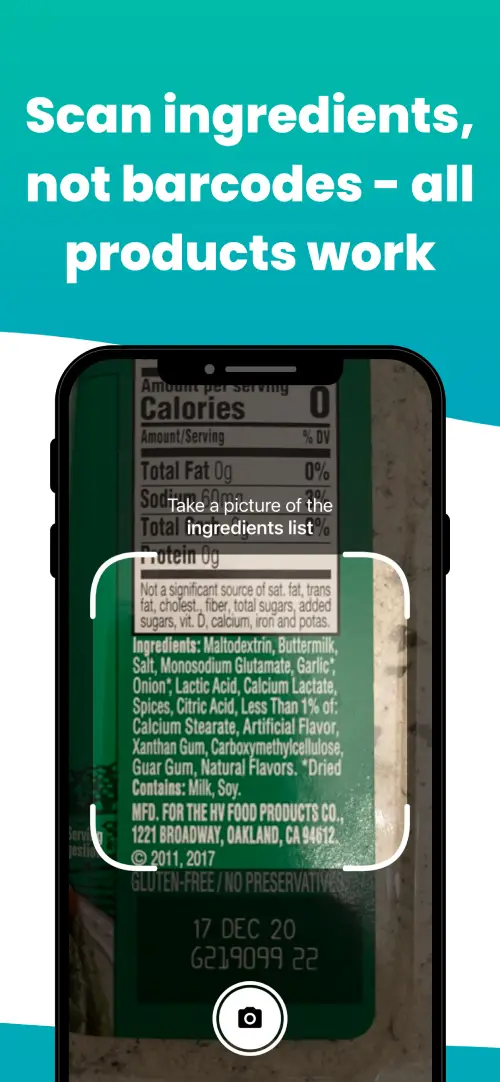
We've built a vegan ingredients scanner that classifies food ingredients as "vegan", "non-vegan", or "potentially vegan".
It allows you to avoid non-vegan ingredients - just take a picture of a product's ingredient list, and the app tells you if the product is vegan or not.



Check out other ingredients:
Is euphorbia cerifera (candelilla) wax vegan?Is butyrospermum parkii vegan?Is butyrospermum parkii butter vegan?Is ricinus communis (castor) seed oil vegan?Is butyrospermum parkii (shea) butter vegan?Are citrus sinensis vegan?Is resistant dextrin vegan?Is citrus sinensis peel oil vegan?Is bacillus coagulans mtcc 5856 vegan?Is fruit and veggie blend vegan?Is veggie blend vegan?Is mentha piperita (peppermint) oil vegan?
We'll never send you spam.