
Is ostahleypir vegan?
Ostahleypir is potentially vegan - it can be derived from plants or animals. You should ask the manufacturer for more details.
Checking out an ingredients list? 👇
Vegan Ingredient Checker
Scan labels, check if ingredients are vegan
"You are amazing, this has saved me so much time when grocery shopping!"
— Austin, a user who reached out with feedback
"It's been a great tool since starting my journey! You take a pic of the nutrition/ingredients, and it'll warn you of anything questionable or not vegan. 😁"
— Ashe, a Vegan For Beginners Facebook Group member
"Use a vegan app when you go shopping, I use WhatsVegan."
— Dóra, a Vegan For Beginners Facebook Group member


Learn more
"You are amazing, this has saved me so much time when grocery shopping!"
— Austin, a user who reached out with feedback
"It's been a great tool since starting my journey! You take a pic of the nutrition/ingredients, and it'll warn you of anything questionable or not vegan. 😁"
— Ashe, a Vegan For Beginners Facebook Group member
"Use a vegan app when you go shopping, I use WhatsVegan."
— Dóra, a Vegan For Beginners Facebook Group member
So, what is ostahleypir?
"Ostahleypir" is an Icelandic term that translates to cheese rennet in English. Rennet is a complex of coagulating enzymes used to curdle milk during the cheesemaking process, separating solid curds from liquid whey. It is routinely listed as an ingredient on packaged cheeses, processed cheese products, and specialty dairy items manufactured in Iceland.
This ingredient is considered possibly vegan because rennet can originate from either animal, plant, or microbial sources. Traditional animal rennet is extracted from the stomach mucosa of slaughtered young calves or other ruminants. In contrast, non-animal versions are widely produced through the laboratory fermentation of bacteria, fungi, or yeasts, as well as extracted naturally from plant sources such as cardoon thistle.
Food packaging that lists "ostahleypir" typically does not clarify whether the enzyme formulation was derived from calves, microorganisms, or botanical extracts. Because the label alone rarely discloses the specific production method, consumers must rely on an official vegan certification mark or contact the food manufacturer directly to verify that the enzymes used are free from animal sources.
How to quickly find the source of ingredients like ostahleypir?
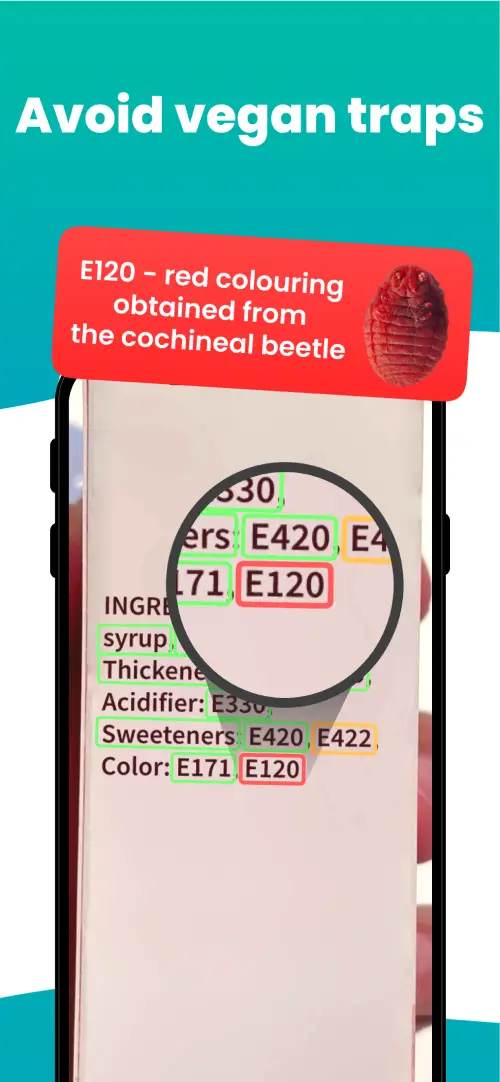
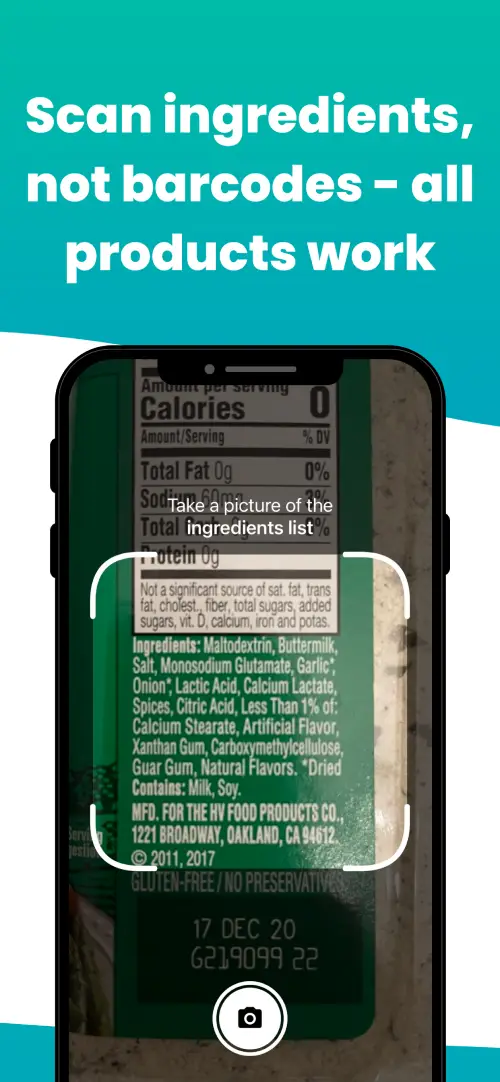
We've built a vegan ingredients scanner that classifies food ingredients as "vegan", "non-vegan", or "potentially vegan".
It allows you to avoid non-vegan ingredients - just take a picture of a product's ingredient list, and the app tells you if the product is vegan or not.

Check out other ingredients:
We'll never send you spam.