
Is red 7 lake vegan?
Red 7 lake is a vegan food ingredient.
Checking out an ingredients list? 👇
"You are amazing, this has saved me so much time when grocery shopping!"
— Austin, a user who reached out with feedback
"It's been a great tool since starting my journey! You take a pic of the nutrition/ingredients, and it'll warn you of anything questionable or not vegan. 😁"
— Ashe, a Vegan For Beginners Facebook Group member
"Use a vegan app when you go shopping, I use WhatsVegan."
— Dóra, a Vegan For Beginners Facebook Group member
So, what is red 7 lake?
Red 7 Lake: An Essential Colorant for Conscious Formulations
Red 7 Lake, often listed as D&C Red No. 7, is a widely utilized color additive prized for its vibrant, stable red hue. For those navigating the landscape of vegan products and seeking uncompromising purity in their ingredients, understanding the origin and composition of such additives is paramount. We can affirm that Red 7 Lake is indeed vegan. Its nature as a synthetically derived compound aligns seamlessly with animal ethics, making it a suitable choice for a vast array of plant-based applications.
#### Unpacking the Chemistry: A Synthetic Creation
Scientifically, Red 7 Lake is an insoluble pigment formed by precipitating a synthetic dye (D&C Red No. 7) onto an inert substrate, typically aluminum hydroxide. This process renders the colorant stable and resistant to bleeding, which is crucial for its performance in everything from cosmetics and pharmaceuticals to certain food products. The "lake" designation signifies its insoluble nature, a key characteristic distinguishing it from water-soluble dyes. Unlike colorants derived from natural sources, which can sometimes involve animal products (like carmine from cochineal insects), Red 7 Lake is an organic compound synthesized in a laboratory setting. Its chemical structure is precisely controlled, ensuring consistent color and safety.
#### The Vegan Stance: Purity and Ethical Sourcing
The fundamental reason Red 7 Lake is classified as vegan lies in its synthetic genesis. Its creation does not involve any animal-derived starting materials, byproducts, or animal-based processing aids at any stage. The precursors used in its synthesis are petrochemicals or other non-animal organic compounds. The inert substrate, aluminum hydroxide, is a mineral-derived compound. This absence of animal input from raw material acquisition through final production ensures its ethical purity. For manufacturers and consumers committed to a cruelty-free lifestyle, this synthetic origin offers peace of mind, eliminating concerns about animal exploitation or hidden animal components.
#### Integration into Plant-Based Products
Given its stability and clear vegan status, Red 7 Lake finds frequent application in coloring various plant-based alternatives. It provides a reliable and vibrant red where needed, without compromising the ethical integrity of the finished product. Whether it’s enhancing the visual appeal of a vegan lipstick, providing a consistent shade in a plant-based food item (though its use in food is regulated and less common in the EU compared to the US), or coloring a pharmaceutical coating, Red 7 Lake offers a robust solution. Its predictable performance makes it a valuable tool for formulators striving to create high-quality, aesthetically pleasing products that fully align with vegan principles. This contrasts sharply with historical reliance on animal-derived pigments, solidifying Red 7 Lake's role as a modern, ethically sound option.
#### Navigating Label Transparency
For the discerning consumer, understanding ingredients like Red 7 Lake is part of a broader commitment to label transparency. When you encounter Red 7 Lake on an ingredient list, you can be confident that it is not an animal-derived component. This knowledge empowers individuals to make informed choices, supporting brands that prioritize both product quality and ethical sourcing. While many synthetic ingredients can spark questions about their origin, Red 7 Lake stands as a clear example of a chemically manufactured compound that fully respects animal welfare principles, offering a guilt-free way to achieve desired color effects.
How to quickly find the source of ingredients like red 7 lake?
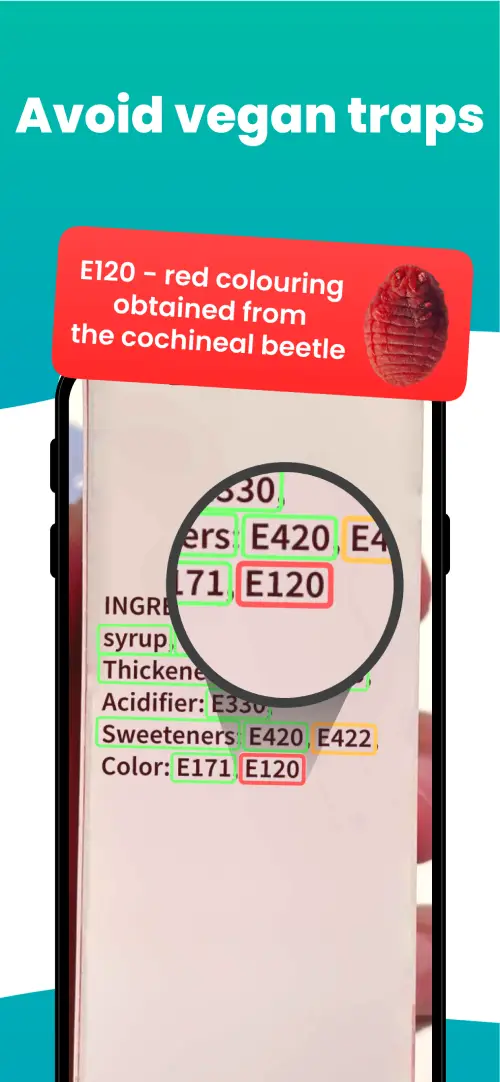
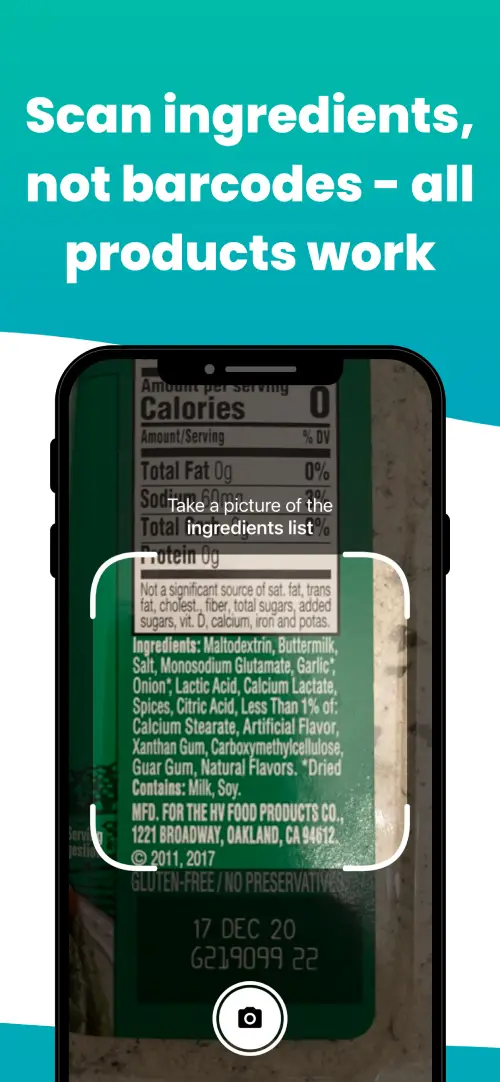
We've built a vegan ingredients scanner that classifies food ingredients as "vegan", "non-vegan", or "potentially vegan".
It allows you to avoid non-vegan ingredients - just take a picture of a product's ingredient list, and the app tells you if the product is vegan or not.



Check out other ingredients:
Is spanish paprika vegan?Is red 28 vegan?Are spearmint leaves vegan?Is ci 45410 vegan?Is spearmint oil vegan?Is ci45410 vegan?Is pomegranate oil vegan?Is ci 60730 vegan?Is citrus grandis (grapefruit) fruit extract vegan?Is chondrus crispus (carrageenan) vegan?Is â modified corn starch vegan?Is hárina de arroz integral vegan?
We'll never send you spam.