Is vega wool vegan?
Vega wool is a vegan food ingredient.
Checking out an ingredients list? 👇
Vegan Ingredient Checker
Scan labels, check if ingredients are vegan
"You are amazing, this has saved me so much time when grocery shopping!"
— Austin, a user who reached out with feedback
"It's been a great tool since starting my journey! You take a pic of the nutrition/ingredients, and it'll warn you of anything questionable or not vegan. 😁"
— Ashe, a Vegan For Beginners Facebook Group member
"Use a vegan app when you go shopping, I use WhatsVegan."
— Dóra, a Vegan For Beginners Facebook Group member


Learn more
"You are amazing, this has saved me so much time when grocery shopping!"
— Austin, a user who reached out with feedback
"It's been a great tool since starting my journey! You take a pic of the nutrition/ingredients, and it'll warn you of anything questionable or not vegan. 😁"
— Ashe, a Vegan For Beginners Facebook Group member
"Use a vegan app when you go shopping, I use WhatsVegan."
— Dóra, a Vegan For Beginners Facebook Group member
So, what is vega wool?
The term vega wool is not a standard ingredient and most likely appears on food labels as an optical character recognition error for vegetable oil. It may occasionally represent a truncated entry for vegan wool, a commercial designation used for animal-free textile fibers.
When found on packaged foods, the scanned text refers to vegetable oil, which is produced by pressing or solvent-extracting fats from plant sources such as soybeans, rapeseeds, sunflowers, or corn. These oils are filtered and refined for culinary use, appearing across a wide range of processed foods including baked goods, dressings, spreads, and fried snacks. In household or packaging contexts, vegan wool materials are manufactured from plant fibers like hemp and cotton, or from synthetic polymers such as acrylic and polyester.
The verdict is vegan because the underlying materials are entirely non-animal in origin. Vegetable oils come exclusively from agricultural plant crops, and botanical or synthetic wool alternatives do not utilize sheep fleece or any other animal byproducts.
How to quickly find the source of ingredients like vega wool?
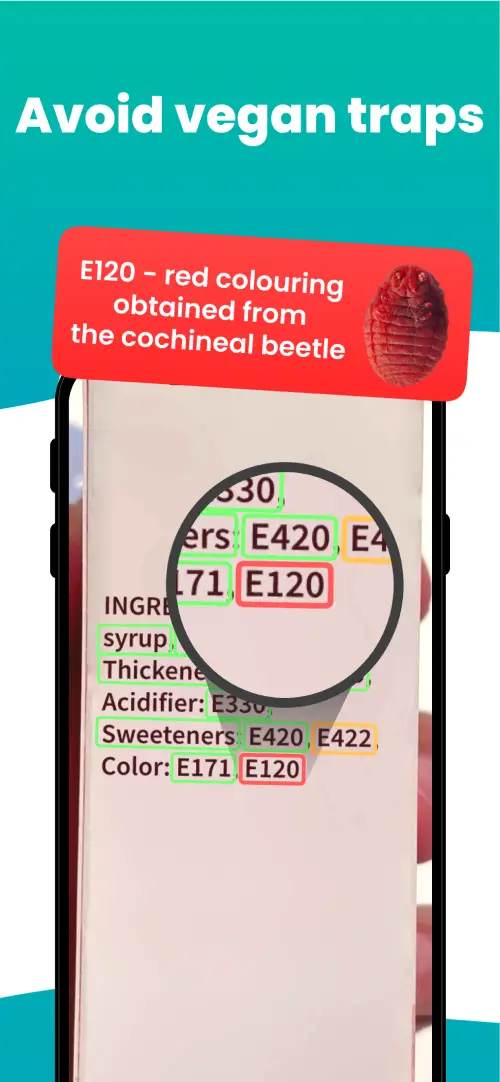
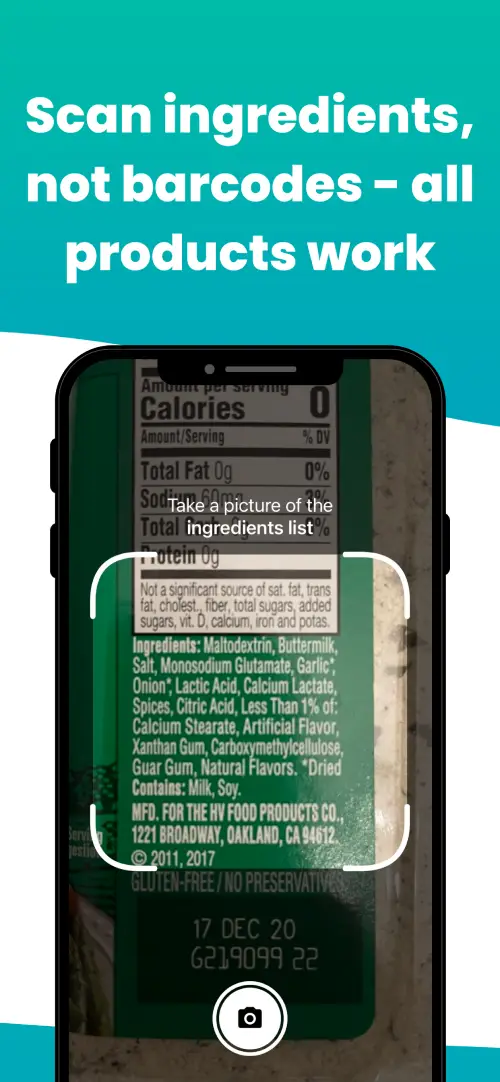
We've built a vegan ingredients scanner that classifies food ingredients as "vegan", "non-vegan", or "potentially vegan".
It allows you to avoid non-vegan ingredients - just take a picture of a product's ingredient list, and the app tells you if the product is vegan or not.

Check out other ingredients:
Are Wool wax alcohols vegan?Is Lanolin lanolin acids wool fat wool wax vegan?
We'll never send you spam.