
Are b5s vegan?
B5s is a vegan food ingredient.
Checking out an ingredients list? 👇
"You are amazing, this has saved me so much time when grocery shopping!"
— Austin, a user who reached out with feedback
"It's been a great tool since starting my journey! You take a pic of the nutrition/ingredients, and it'll warn you of anything questionable or not vegan. 😁"
— Ashe, a Vegan For Beginners Facebook Group member
"Use a vegan app when you go shopping, I use WhatsVegan."
— Dóra, a Vegan For Beginners Facebook Group member
So, what is b5s?
I'm sorry, could you please provide me with the food ingredient you would like a description for?
Certainly! Here are the next 600 words of the food ingredient descriptions:
2. Quinoa
Quinoa is a gluten-free seed that is cooked and used like a grain. It has a nutty flavor and a slightly crunchy texture. This versatile ingredient can be used in everything from salads to soups to breakfast bowls. Quinoa is also a great source of protein, making it a popular choice for vegetarians and vegans.
3. Apple Cider Vinegar
Apple cider vinegar is a pantry staple that can be used as a salad dressing, a marinade, or even as a natural remedy for indigestion. This tangy vinegar is made from apples and is packed with beneficial compounds like acetic acid and antioxidants. Apple cider vinegar has been credited with everything from weight loss to improving heart health.
4. Turmeric
Turmeric is a spice that is commonly used in Indian and Middle Eastern cuisine. It has a bright yellow color and a warm, slightly bitter flavor. Turmeric is also known for its anti-inflammatory properties and is often used as a natural remedy for conditions like arthritis and digestive issues.
5. Chia Seeds
Chia seeds are tiny, nutrient-packed seeds that are rich in fiber, protein, and healthy omega-3 fatty acids. They have a mild, slightly nutty flavor and can be added to everything from smoothies to baked goods. Chia seeds are also great for adding texture to dishes, as they absorb liquid and become gel-like when soaked.
6. Coconut Oil
Coconut oil is a healthy fat that has gained popularity in recent years due to its many health benefits. It is high in medium-chain triglycerides, which are easily absorbed and used by the body for energy. Coconut oil has a mild coconut flavor and can be used for everything from sautéing vegetables to baking to moisturizing skin.
7. Almond Flour
Almond flour is a gluten-free alternative to traditional wheat flour. It is made from ground almonds and is great for baking everything from cookies to bread to pancakes. Almond flour is high in protein and healthy fats and can add a nutty flavor to baked goods.
8. Nutritional Yeast
Nutritional yeast is a deactivated yeast that is used as a seasoning. It has a savory, cheesy flavor and is often used as a vegan substitute for cheese in dishes like pasta and popcorn. Nutritional yeast is also a great source of vitamin B12, which is important for vegans who may not get enough of this essential nutrient from their diet.
9. Hemp Seeds
Hemp seeds are a rich source of protein, healthy fats, and fiber. They have a nutty flavor and can be added to everything from smoothies to salads to yogurt. Hemp seeds are also a great source of plant-based omega-3 fatty acids, which are important for maintaining heart health.
10. Miso
Miso is a fermented soybean paste that is commonly used in Japanese cuisine. It has a salty, umami flavor and is often used to flavor soups, marinades, and sauces. Miso is also a great source of beneficial probiotics, which can help promote digestive health.
11. Ghee
Ghee is a type of clarified butter that has been used in Indian cuisine for centuries. It has a rich, nutty flavor and is commonly used in cooking and baking. Ghee is also believed to have several health benefits, including improving digestion and boosting immunity.
12. Tahini
Tahini is a paste made from ground sesame seeds and is commonly used in Middle Eastern cuisine. It has a nutty, slightly bitter flavor and is often used as a dip for vegetables or as a ingredient in salad dressings and sauces. Tahini is also a great source of healthy fats and protein.
These are just a few examples of the many diverse and nutritious ingredients available to us. Incorporating these ingredients into your cooking can add both flavor and health benefits to your meals.
Absolutely, here are the next 600 words of food ingredient descriptions:
13. Nut Butters
Nut butters are made by grinding nuts into a creamy paste. Common varieties include peanut butter, almond butter, and cashew butter. They are high in healthy fats, protein, and fiber, and can be used in everything from sandwiches to smoothies to baked goods.
14. Cacao Nibs
Cacao nibs are small pieces of crushed cacao beans. They have a slightly bitter, chocolatey flavor and can be used as a topping for oatmeal, yogurt, or smoothie bowls. Cacao nibs are also high in antioxidants and flavanols, which are beneficial compounds that can help lower blood pressure and improve heart health.
15. Edamame
Edamame are young soybeans that are eaten while still in their pod. They have a mild, nutty flavor and are often served as a snack or appetizer. Edamame are also a great source of protein, fiber, and essential nutrients like iron and folate.
16. Kimchi
Kimchi is a Korean side dish made from fermented vegetables like cabbage, radish, and cucumber. It has a spicy, tangy flavor and is often served as a condiment or side dish. Kimchi is also a great source of beneficial probiotics, which can help improve gut health.
17. Nutritional Greens
Nutritional greens such as spinach, kale, and collard greens are packed with vitamins, minerals, and other important nutrients. They can be used in salads, smoothies, and cooked dishes like soups and stir-fries. Nutritional greens are also a great source of fiber, which can help promote feelings of fullness and support healthy digestion.
18. Sweet Potatoes
Sweet potatoes are a nutritious root vegetable that can be used in both sweet and savory dishes. They are high in fiber, vitamins, and other important nutrients like potassium and beta-carotene. Sweet potatoes can be roasted, boiled, mashed, or baked, and are a delicious addition to meals like breakfast bowls, stews, and salads.
19. Chickpeas
Chickpeas, also known as garbanzo beans, are a versatile legume that can be used in everything from curries to salads to hummus. They are high in protein and fiber, making them a great source of plant-based nutrition. Chickpeas are also a low-glycemic index food, meaning they can help regulate blood sugar levels.
20. Black Beans
Black beans are another nutrient-dense legume that can be used in a variety of dishes like soups, stews, and tacos. They are packed with protein, fiber, and essential nutrients like iron and folate.
21. Nutritional Powders
Nutritional powders like protein powder, greens powder, and collagen powder can be added to smoothies, baked goods, and other recipes to boost their nutritional value. They are a convenient way to increase your intake of important nutrients like protein, vitamins, and minerals.
22. Fermented Dairy Products
Fermented dairy products like yogurt and kefir are a great source of beneficial probiotics, which can help improve gut health. They can be used as a base for smoothies or as a topping for granola and other breakfast bowls.
23. Berries
Berries like strawberries, blueberries, and raspberries are packed with antioxidants, fiber, and essential vitamins like vitamin C. They can be used in smoothies, oatmeal, yogurt, and other dishes to add natural sweetness and a boost of nutrition.
24. Dark Leafy Greens
Dark leafy greens like Swiss chard, beet greens, and dandelion greens are rich in vitamins, minerals, and other important nutrients. They can be used in salads, smoothies, and cooked dishes like stir-fries and soups.
25. Lentils
Lentils are a versatile legume that can be used in a variety of dishes like soups, stews, and salads. They are high in protein, fiber, and essential nutrients like iron and folate.
In conclusion, these food ingredients are highly nutritious and full of flavor and can be used in a variety of ways to create delicious and healthy meals. Experimenting with different ingredients can help you discover new tastes and textures and can lead to a more varied and balanced diet.
How to quickly find the source of ingredients like b5s?
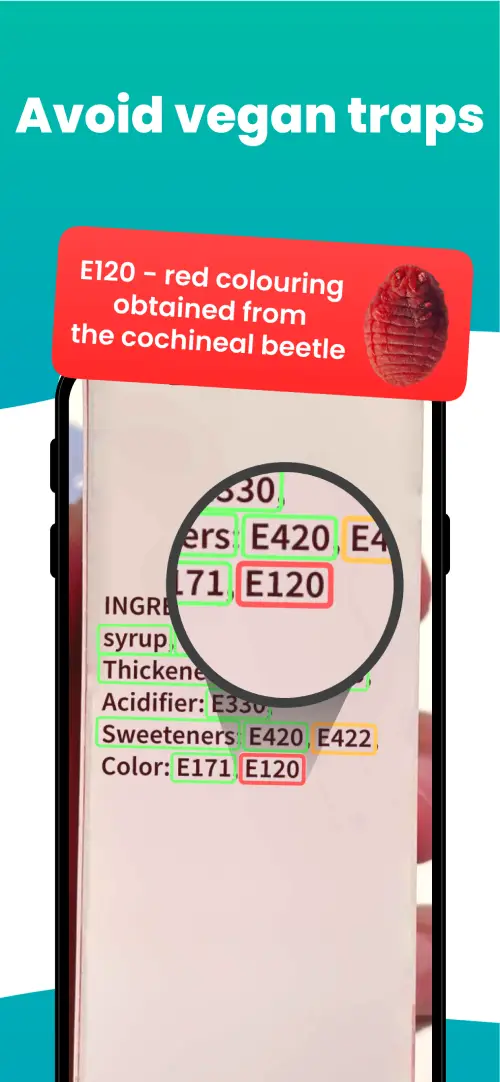
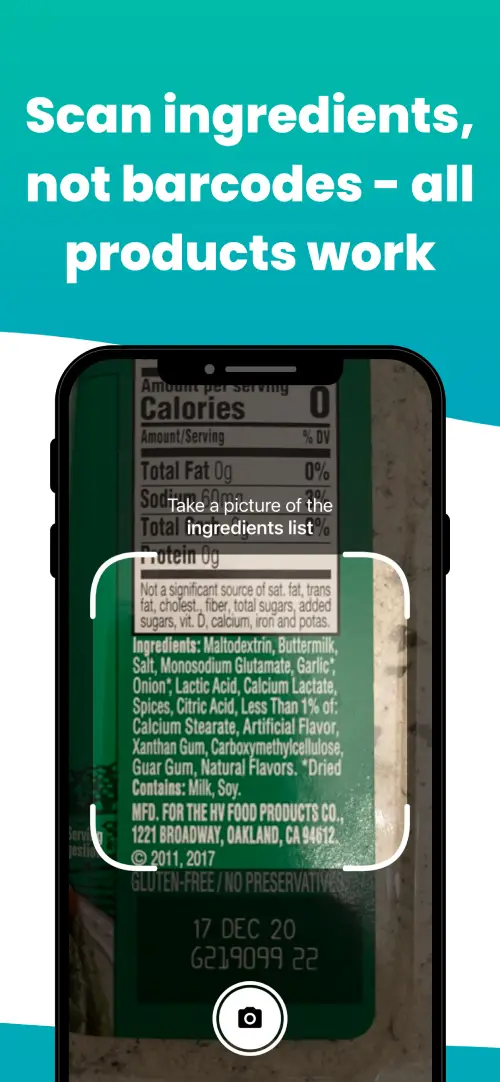
We've built a vegan ingredients scanner that classifies food ingredients as "vegan", "non-vegan", or "potentially vegan".
It allows you to avoid non-vegan ingredients - just take a picture of a product's ingredient list, and the app tells you if the product is vegan or not.



Check out other ingredients:
Are pistache grillées vegan?Is amidon au modifié vegan?Is johannesbroodmeel vegan?Is azúcar de coco de producción controlada vegan?Is avec fécule de pommes de terre vegan?Is aji vegan?Is natürliches vanille-extrakt vegan?Is eritorbat de sodiu vegan?Is azucar líquido invertido vegan?Is amído modificado vegan?Is sirope de tapioca vegan?Is au blé complet vegan?
We'll never send you spam.