Are dehydrated peppers vegan?
Dehydrated peppers is a vegan food ingredient.
Checking out an ingredients list? 👇
Vegan Ingredient Checker
Scan labels, check if ingredients are vegan
"You are amazing, this has saved me so much time when grocery shopping!"
— Austin, a user who reached out with feedback
"It's been a great tool since starting my journey! You take a pic of the nutrition/ingredients, and it'll warn you of anything questionable or not vegan. 😁"
— Ashe, a Vegan For Beginners Facebook Group member
"Use a vegan app when you go shopping, I use WhatsVegan."
— Dóra, a Vegan For Beginners Facebook Group member


Learn more
"You are amazing, this has saved me so much time when grocery shopping!"
— Austin, a user who reached out with feedback
"It's been a great tool since starting my journey! You take a pic of the nutrition/ingredients, and it'll warn you of anything questionable or not vegan. 😁"
— Ashe, a Vegan For Beginners Facebook Group member
"Use a vegan app when you go shopping, I use WhatsVegan."
— Dóra, a Vegan For Beginners Facebook Group member
So, what is dehydrated peppers?
Dehydrated peppers are fresh peppers from the Capsicum plant family that have had their natural water content removed through commercial drying processes. They originate as agricultural crops, typically consisting of red, green, or yellow bell peppers, as well as spicy chili varieties like jalapeños. To produce them, harvested peppers are cleaned, stemmed, sliced or diced, and then exposed to heated air tunnels, freeze-drying equipment, or specialized dehydrators. They commonly appear as an ingredient in dry seasoning blends, instant noodle packets, packaged soups, boxed rice mixes, canned stews, and processed snack foods.
This ingredient is classified as vegan because it is made entirely from botanical sources. The manufacturing process relies exclusively on thermal or mechanical dehydration techniques and does not involve animal derivatives, dairy, eggs, or animal-derived processing aids. Because dehydrated peppers are simply dried vegetables without any animal components, they are fully suitable for individuals following a vegan diet.
How to quickly find the source of ingredients like dehydrated peppers?
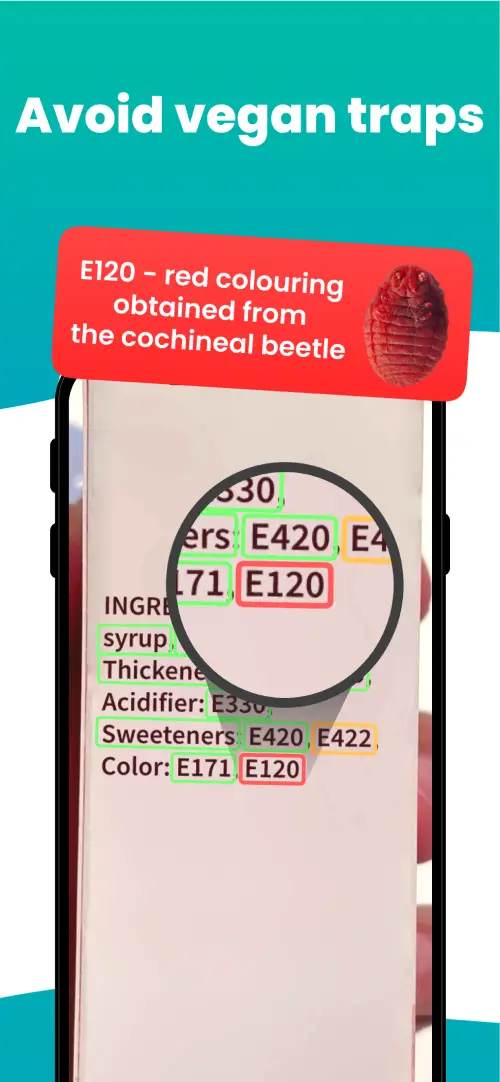
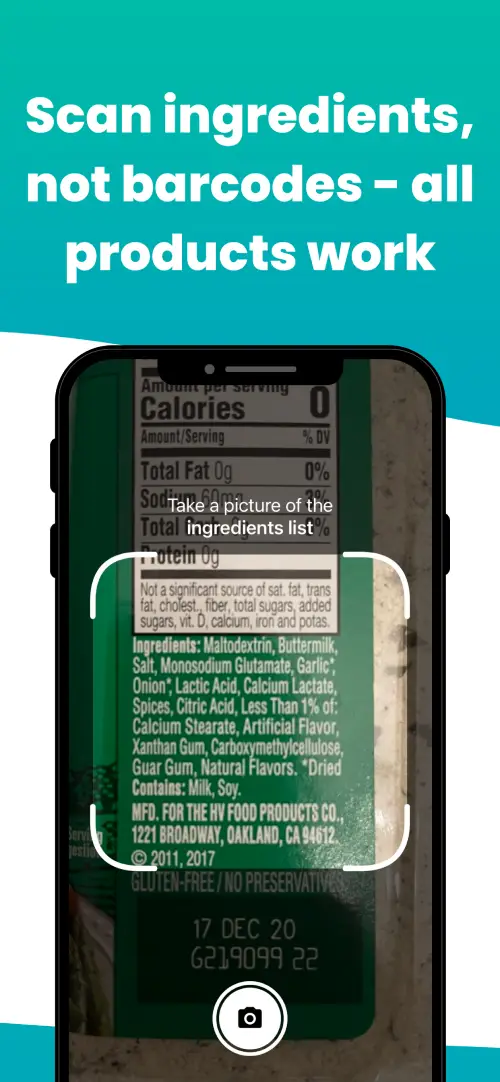
We've built a vegan ingredients scanner that classifies food ingredients as "vegan", "non-vegan", or "potentially vegan".
It allows you to avoid non-vegan ingredients - just take a picture of a product's ingredient list, and the app tells you if the product is vegan or not.

We'll never send you spam.