
Are spareribs vegan?
Spareribs is a non-vegan food ingredient.
Checking out an ingredients list? 👇
"You are amazing, this has saved me so much time when grocery shopping!"
— Austin, a user who reached out with feedback
"It's been a great tool since starting my journey! You take a pic of the nutrition/ingredients, and it'll warn you of anything questionable or not vegan. 😁"
— Ashe, a Vegan For Beginners Facebook Group member
"Use a vegan app when you go shopping, I use WhatsVegan."
— Dóra, a Vegan For Beginners Facebook Group member
So, what is spareribs?
When evaluating culinary ingredients through the lens of animal ethics and purity, certain items unequivocally fall outside the scope of a vegan diet. Spareribs are a prime example, rooted directly in animal agriculture.
The Origin of Spareribs
Spareribs, at their core, are a specific cut of meat taken from the ventral section of a pig's rib cage. This includes the rib bones themselves, surrounded by muscle tissue, connective tissue, and often a layer of fat. The term "spareribs" distinctly refers to the skeletal structure and associated musculature of the domesticated pig, Sus scrofa domesticus. These are not a byproduct in the sense of gelatin or bone char; they are a direct, primary product of an animal slaughtered for human consumption.
The Ethical Imperative for Exclusion
From a vegan perspective, spareribs represent a clear violation of the principle of not exploiting or harming sentient beings. The procurement of spareribs necessitates the breeding, raising, and slaughter of pigs. This process inherently involves significant animal suffering, from confinement and separation from natural environments to the ultimate act of killing. Ethical veganism seeks to avoid all products derived from animals, whether directly (like meat) or indirectly (like honey or dairy), recognizing animals as individuals with inherent worth, not commodities. Therefore, spareribs are definitively classified as "Not Vegan" because they are the flesh and bone of an animal. There is no ambiguity, no processing aid gray area; it is the animal itself.
Beyond the Ribs: A Broader Scrutiny
While the status of spareribs is straightforward, the broader vegan approach extends to ensuring purity in all culinary contexts. For instance, any pre-marinated spareribs or dishes featuring them would naturally be non-vegan. However, the diligent vegan also considers potential hidden animal-derived components in seemingly innocuous ingredients used with plant-based foods, such as certain sauces or glazes that might contain animal fats, rennet, or non-vegan sugars (processed with bone char). This highlights the importance of thorough label transparency across the entire food chain, ensuring that even accompanying elements are cruelty-free. While spareribs themselves do not involve complex processing aids that might hide their animal origin, this broader concern underscores the commitment to ethical sourcing.
Embracing Cruelty-Free Culinary Innovation
For those seeking the savory experience often associated with spareribs, the world of plant-based alternatives offers abundant and innovative solutions. Instead of animal flesh, these alternatives masterfully utilize ingredients like jackfruit, which possesses a remarkably shreddable, fibrous texture when cooked, mimicking slow-cooked meat. Seitan, derived from wheat gluten, can be crafted into dense, chewy "ribs" that hold marinades beautifully. Oyster mushrooms, with their meaty texture, also serve as excellent bases. These plant-based options are often marinated and smoked to replicate the rich, umami flavors traditionally found in spareribs, all while remaining entirely free from animal products. Such innovations provide a delicious pathway to enjoy familiar textures and tastes without compromising on animal welfare or ethical purity, proving that truly satisfying and cruelty-free dining is not only possible but increasingly accessible.
How to quickly find the source of ingredients like spareribs?
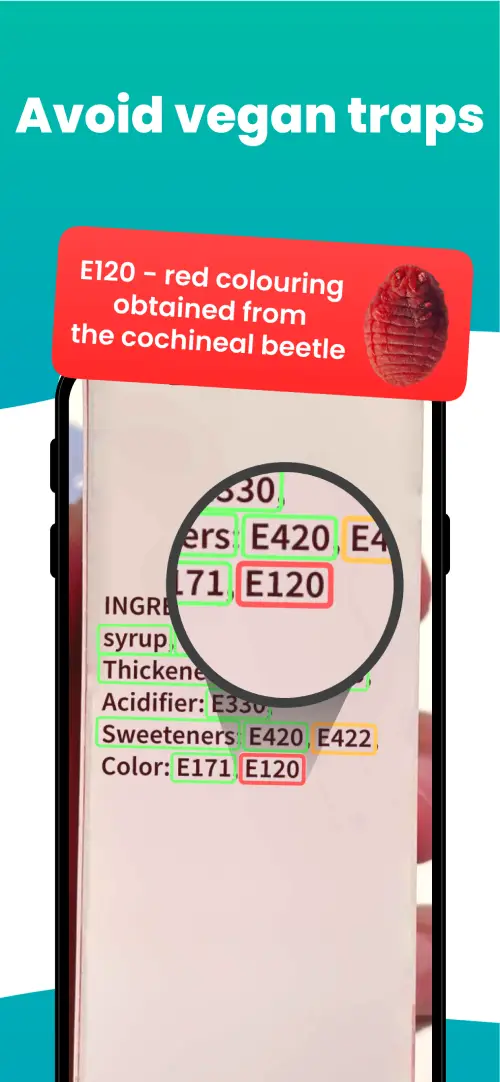
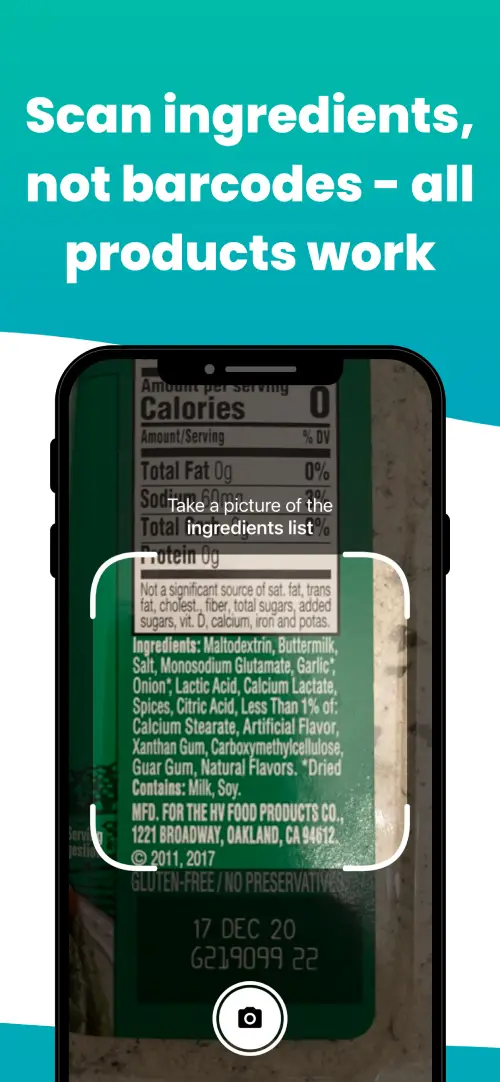
We've built a vegan ingredients scanner that classifies food ingredients as "vegan", "non-vegan", or "potentially vegan".
It allows you to avoid non-vegan ingredients - just take a picture of a product's ingredient list, and the app tells you if the product is vegan or not.



We'll never send you spam.