
Is alpha-isomethyl ionone vegan?
Alpha-isomethyl ionone is a vegan food ingredient.
Checking out an ingredients list? 👇
"You are amazing, this has saved me so much time when grocery shopping!"
— Austin, a user who reached out with feedback
"It's been a great tool since starting my journey! You take a pic of the nutrition/ingredients, and it'll warn you of anything questionable or not vegan. 😁"
— Ashe, a Vegan For Beginners Facebook Group member
"Use a vegan app when you go shopping, I use WhatsVegan."
— Dóra, a Vegan For Beginners Facebook Group member
So, what is alpha-isomethyl ionone?
Alpha-isomethyl ionone stands as a quintessential aroma compound, revered for its ability to impart a delicate, powdery violet note, often with nuanced woody and floral undertones. Its characteristic scent is a cornerstone in countless perfumes, cosmetics, and household products, contributing to a sense of sophisticated freshness. For the ethically conscious consumer, particularly those adhering to a vegan lifestyle, understanding the provenance and manufacturing of such widely used ingredients is paramount.
From a food science and ethical standpoint, alpha-isomethyl ionone is unequivocally vegan. Its genesis lies entirely within the realm of synthetic organic chemistry, meticulously crafted in laboratories rather than being extracted from animal sources. The typical manufacturing process involves a multi-step chemical synthesis, often commencing with readily available plant-derived precursors like citral, found in lemongrass oil, or using petroleum-derived starting materials. These initial compounds undergo a series of precise reactions, including aldol condensation and cyclization, to yield the final alpha-isomethyl ionone molecule.
The critical distinction for its vegan status is that at no point in its established industrial synthesis are animal-derived ingredients, byproducts, or processing aids utilized. This extends beyond the primary precursors to encompass catalysts, solvents, and any purification agents involved. Unlike certain ingredients which might harbor "gray areas" concerning bone char in sugar refinement or gelatin in encapsulation, alpha-isomethyl ionone's production chain is transparently free from such concerns. This makes it a reliable choice for formulators aiming for genuine cruelty-free and plant-based products, ensuring the purity demanded by a vegan ethic.
Furthermore, its synthetic nature provides a consistent and controlled purity profile, often superior to botanical extracts which can vary seasonally and geographically. This controlled synthesis eliminates the risks associated with animal agriculture, directly aligning with the core principles of animal welfare and environmental sustainability inherent in veganism.
When examining ingredient lists, consumers can be confident that alpha-isomethyl ionone, when listed, represents a choice that respects animal life. Its consistent synthetic production means it isn't an "alternative" in the sense of replacing an animal-derived counterpart, but rather an intrinsically vegan compound, offering its unique sensory contribution without compromise. For brands committed to label transparency, this clarity around synthetic ingredients is just as vital as detailing the origin of natural extracts. This allows individuals seeking genuinely cruelty-free products to make informed decisions, secure in the knowledge that their choices reflect a broader commitment to ethical consumption.
How to quickly find the source of ingredients like alpha-isomethyl ionone?
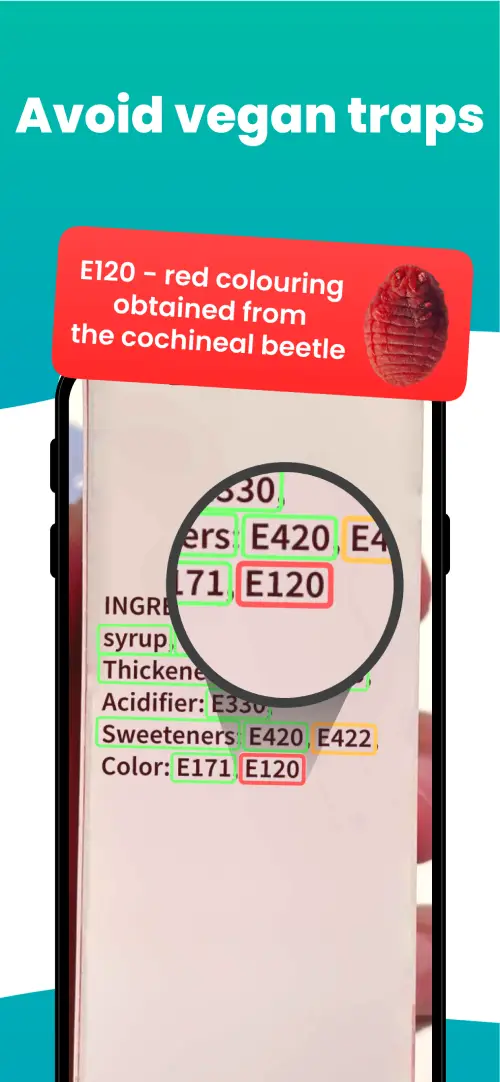
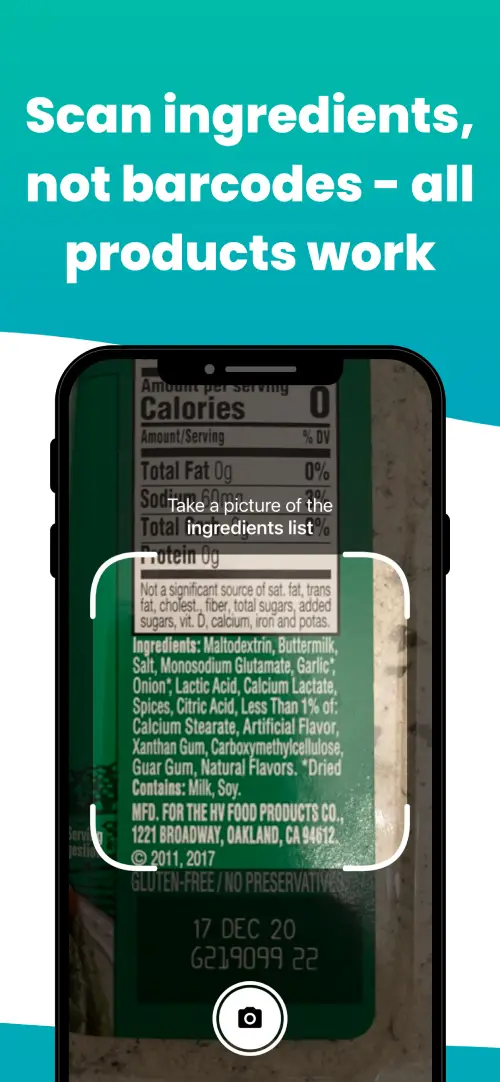
We've built a vegan ingredients scanner that classifies food ingredients as "vegan", "non-vegan", or "potentially vegan".
It allows you to avoid non-vegan ingredients - just take a picture of a product's ingredient list, and the app tells you if the product is vegan or not.



Check out other ingredients:
Is benzyl salicylate vegan?Is yellow 6 vegan?Is hydroxypropyltrimonium chloride vegan?Is methylisothiazolinone vegan?Is aqua/water/eau vegan?Is methylchloroisothiazolinone vegan?Is water/eau vegan?Is olea europaea fruit oil vegan?Is turbinado vegan?Is mushrooms pickled vegan?Is peg-120 methyl glucose dioleate vegan?Is hydroxypropyl trimonium chloride vegan?
We'll never send you spam.