
Is d-alpha-tocopherol vegan?
D-alpha-tocopherol is a vegan food ingredient.
Checking out an ingredients list? 👇
"You are amazing, this has saved me so much time when grocery shopping!"
— Austin, a user who reached out with feedback
"It's been a great tool since starting my journey! You take a pic of the nutrition/ingredients, and it'll warn you of anything questionable or not vegan. 😁"
— Ashe, a Vegan For Beginners Facebook Group member
"Use a vegan app when you go shopping, I use WhatsVegan."
— Dóra, a Vegan For Beginners Facebook Group member
So, what is d-alpha-tocopherol?
d-Alpha-Tocopherol: A Cornerstone of Ethical Nutrition
Within the realm of nutritional science and ethical food choices, understanding the provenance of ingredients is paramount. Among the most vital fat-soluble vitamins, d-alpha-tocopherol stands as a natural, potent form of Vitamin E, and unequivocally, a vegan ingredient. Its significance extends beyond mere nutritional value, embodying a commitment to plant-based purity and cruelty-free consumption.
D-alpha-tocopherol is inherently derived from botanical sources, primarily vegetable oils such as soybean, sunflower, corn, and rapeseed oils. This natural origin is critical to its vegan status. It begins its journey as part of the plant's lipid structure, concentrated through gentle extraction and purification processes. The resulting ingredient is a viscous, amber-colored oil, celebrated for its robust antioxidant properties. Unlike some other nutrients that may face "gray area" processing concerns or animal-derived alternatives, d-alpha-tocopherol's lineage is purely plant-based, making it a reliable and common inclusion in plant-based alternatives and fortified vegan foods.
From an animal ethics perspective, the use of d-alpha-tocopherol aligns seamlessly with vegan principles. Its production involves no animal products, by-products, or testing. This inherent purity means there are no concerns about cross-contamination with animal-derived substances during its fundamental extraction, nor any reliance on animal inputs as processing aids. For consumers prioritizing a cruelty-free lifestyle, d-alpha-tocopherol represents an uncompromised choice, offering essential nutritional benefits without any ethical dilemmas.
As a vegan food scientist, the distinction between d-alpha-tocopherol and its synthetic counterpart, dl-alpha-tocopherol, is crucial for label transparency. While both offer Vitamin E activity, d-alpha-tocopherol is the naturally occurring form, boasting superior bioavailability and efficacy in the human body. Diligent label reading is key for ethical consumers, ensuring they select products specifying "d-alpha-tocopherol" rather than the often petroleum-derived synthetic version, even if the latter is technically vegan. This attention to detail reinforces the commitment to natural, plant-derived nutrients as foundational elements of a truly ethical diet.
Its role as a powerful antioxidant is particularly beneficial in plant-based diets, helping to protect cells from oxidative stress. This supports overall health, from cardiovascular function to skin vitality, without compromising the ethical integrity of the food chain. D-alpha-tocopherol is not merely an alternative; it is the gold standard for natural Vitamin E, embodying the very essence of what it means to nourish the body with ingredients that are kind to all living beings and the planet itself. Its clear, plant-derived origin makes it an indispensable component for any truly vegan product.
How to quickly find the source of ingredients like d-alpha-tocopherol?
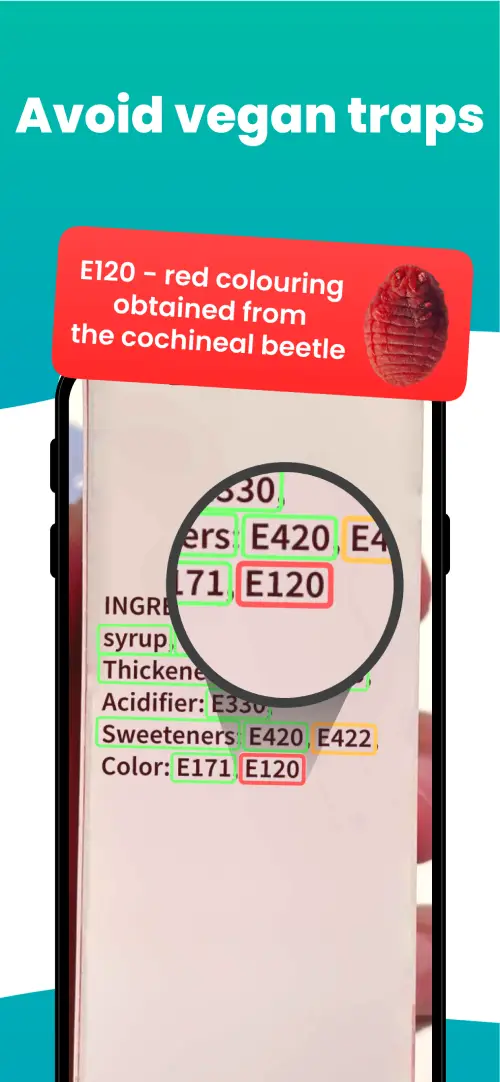
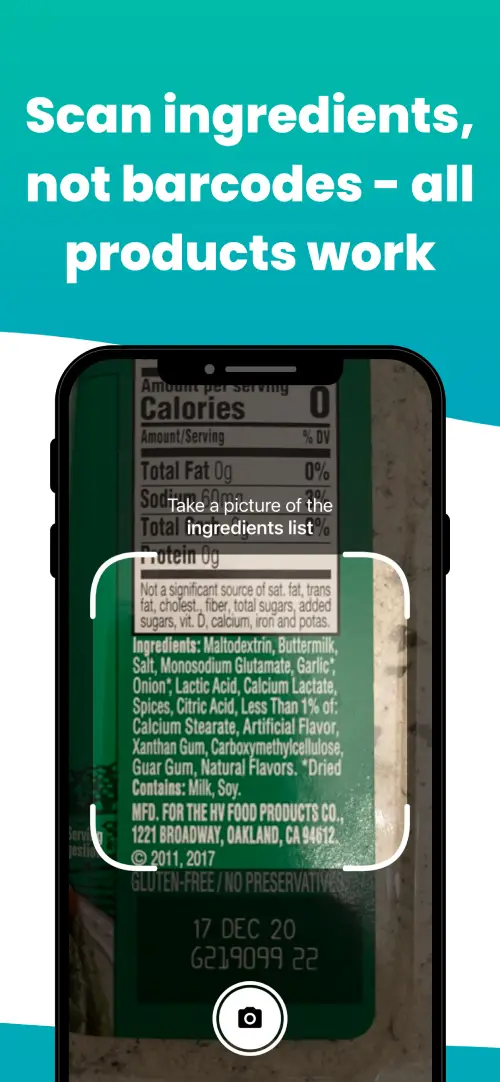
We've built a vegan ingredients scanner that classifies food ingredients as "vegan", "non-vegan", or "potentially vegan".
It allows you to avoid non-vegan ingredients - just take a picture of a product's ingredient list, and the app tells you if the product is vegan or not.



Check out other ingredients:
Is annatto extract color vegan?Is paprika extract color vegan?Is vegetal casing vegan?Is vegetable juice color vegan?Is wild thyme vegan?Is linden flower vegan?Is cayenne red pepper vegan?Is horehound vegan?Is coconut base vegan?Is non-dairy cheddar flavor vegan?Is non-dairy cheddar flavour vegan?Is dry malt vegan?
We'll never send you spam.