Is atibulnak vegan?
Atibulnak is a vegan food ingredient.
Checking out an ingredients list? 👇
Vegan Ingredient Checker
Scan labels, check if ingredients are vegan
"You are amazing, this has saved me so much time when grocery shopping!"
— Austin, a user who reached out with feedback
"It's been a great tool since starting my journey! You take a pic of the nutrition/ingredients, and it'll warn you of anything questionable or not vegan. 😁"
— Ashe, a Vegan For Beginners Facebook Group member
"Use a vegan app when you go shopping, I use WhatsVegan."
— Dóra, a Vegan For Beginners Facebook Group member


Learn more
"You are amazing, this has saved me so much time when grocery shopping!"
— Austin, a user who reached out with feedback
"It's been a great tool since starting my journey! You take a pic of the nutrition/ingredients, and it'll warn you of anything questionable or not vegan. 😁"
— Ashe, a Vegan For Beginners Facebook Group member
"Use a vegan app when you go shopping, I use WhatsVegan."
— Dóra, a Vegan For Beginners Facebook Group member
So, what is atibulnak?
Atibulnak is a Philippine name from northern Luzon for the wild creeping raspberry, Rubus pectinellus. The plant grows natively in high-elevation mountain forests and produces small, edible red aggregate fruits. Harvesters gather the ripe berries by hand, after which they are used fresh, dried, or processed into juices, purees, jams, syrups, and confectionery fillings. Packaged foods that feature this ingredient are usually regional fruit preserves, baked goods, traditional snacks, and specialty teas produced in Southeast Asia.
This ingredient receives a vegan verdict because it is entirely of botanical origin. Atibulnak is a natural plant tissue consisting of the fruit of a perennial bramble. Commercial processing of the fruit relies on standard thermal and mechanical methods such as boiling, pressing, and concentration, without requiring animal derivatives or animal-based processing aids. Because no animal inputs or animal products are involved in its harvesting or manufacturing, atibulnak is completely suitable for vegans.
How to quickly find the source of ingredients like atibulnak?
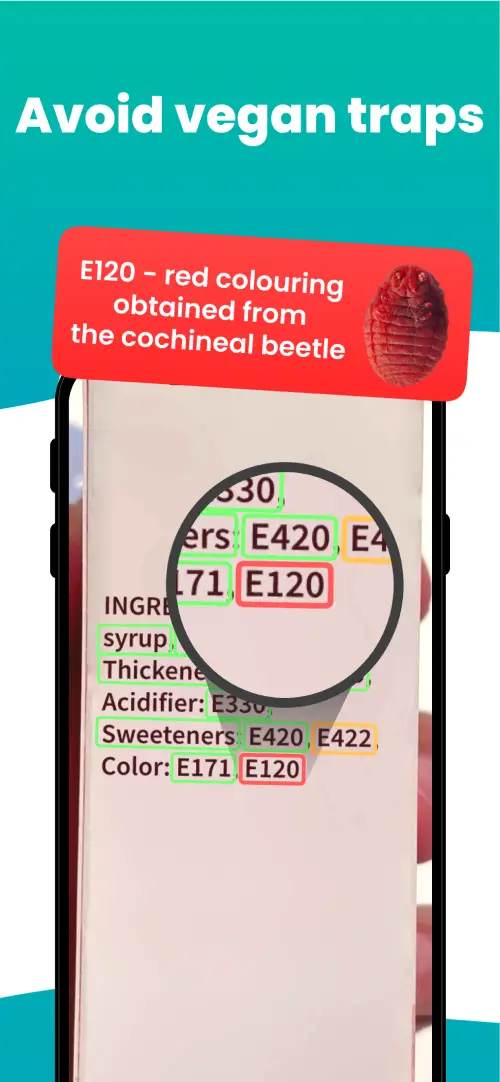
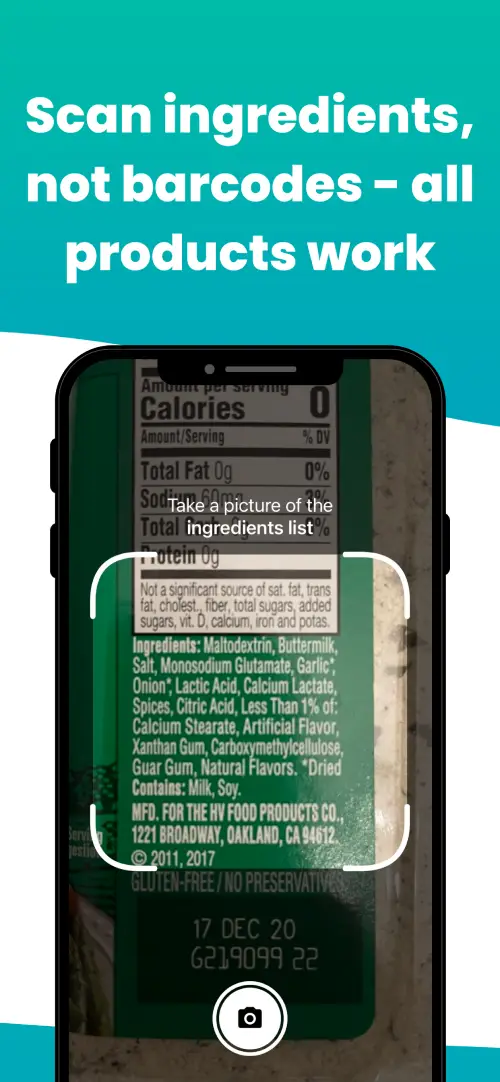
We've built a vegan ingredients scanner that classifies food ingredients as "vegan", "non-vegan", or "potentially vegan".
It allows you to avoid non-vegan ingredients - just take a picture of a product's ingredient list, and the app tells you if the product is vegan or not.

Check out other ingredients:
We'll never send you spam.