
Is pigment violet vegan?
Pigment violet is a vegan food ingredient.
Checking out an ingredients list? 👇
"You are amazing, this has saved me so much time when grocery shopping!"
— Austin, a user who reached out with feedback
"It's been a great tool since starting my journey! You take a pic of the nutrition/ingredients, and it'll warn you of anything questionable or not vegan. 😁"
— Ashe, a Vegan For Beginners Facebook Group member
"Use a vegan app when you go shopping, I use WhatsVegan."
— Dóra, a Vegan For Beginners Facebook Group member
So, what is pigment violet?
Achieving vibrant hues in food applications without compromising ethical principles is a cornerstone of modern vegan food science. Among the palette of available colorants, Pigment Violet stands out as a reliable and ethically sound choice for imparting rich, purple tones. Its inherent composition and diligent manufacturing processes firmly establish its status as a fully vegan ingredient.
The designation of Pigment Violet as vegan stems from its foundational chemistry: it is synthetically derived, meaning its molecular structure is not cultivated from or dependent upon animal sources. Unlike historically used pigments such as cochineal, which extract carminic acid from crushed female cochineal insects to produce reds and purples, Pigment Violet is meticulously engineered from non-animal precursors. This ensures that no animals are harmed or exploited at any stage of its production, aligning directly with the principles of animal ethics and purity central to veganism.
Beyond the primary raw materials, the vegan integrity of Pigment Violet is further secured by scrutiny of its entire manufacturing chain. This includes a strict avoidance of animal-derived processing aids, which can often be hidden culprits in otherwise seemingly plant-based products. Substances like gelatin, casein, or bone char (sometimes used in sugar refining, which can then be an ingredient in other processes) are entirely absent from the purification and standardization of high-grade Pigment Violet. Reputable manufacturers ensure that every step, from initial synthesis to final packaging, adheres to a cruelty-free standard, often certifying their products to provide unequivocal assurance to consumers.
While Pigment Violet offers a consistent and stable synthetic option, the vegan spectrum of purple hues also embraces a wealth of plant-based alternatives. Extracts from purple sweet potatoes, deep crimson beets, butterfly pea flowers, or red cabbage anthocyanins provide beautiful, naturally derived violets. These botanical sources are excellent choices when the goal is an entirely natural color profile. However, for specific shade requirements, stability under various processing conditions, or cost-effectiveness, a well-vetted Pigment Violet can be an invaluable tool for vegan product developers, serving as a dependable alternative to animal-derived pigments.
For consumers dedicated to a truly cruelty-free lifestyle, understanding the source and processing of every ingredient is paramount. The meticulous production of vegan Pigment Violet highlights the importance of label transparency and rigorous ingredient verification. Brands committed to serving the vegan community often go beyond simple declarations, seeking third-party certifications to validate their supply chains. This diligence empowers consumers to make informed choices, confident that their products are free from animal exploitation, from the primary pigment to any auxiliary processing aids.
In summary, Pigment Violet stands as a clear example of how scientific innovation can align with ethical imperatives. Its synthetic origin, coupled with stringent manufacturing protocols that eschew all animal-derived inputs and testing, secures its position as a definitively vegan ingredient. For formulators and consumers alike, it represents a trustworthy means of achieving captivating violet shades while upholding the highest standards of animal welfare and ingredient purity.
How to quickly find the source of ingredients like pigment violet?
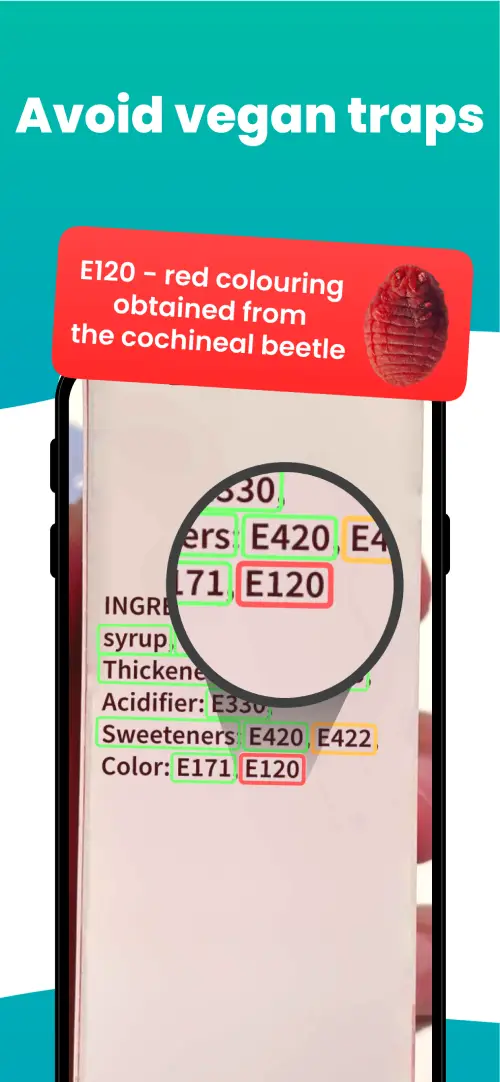
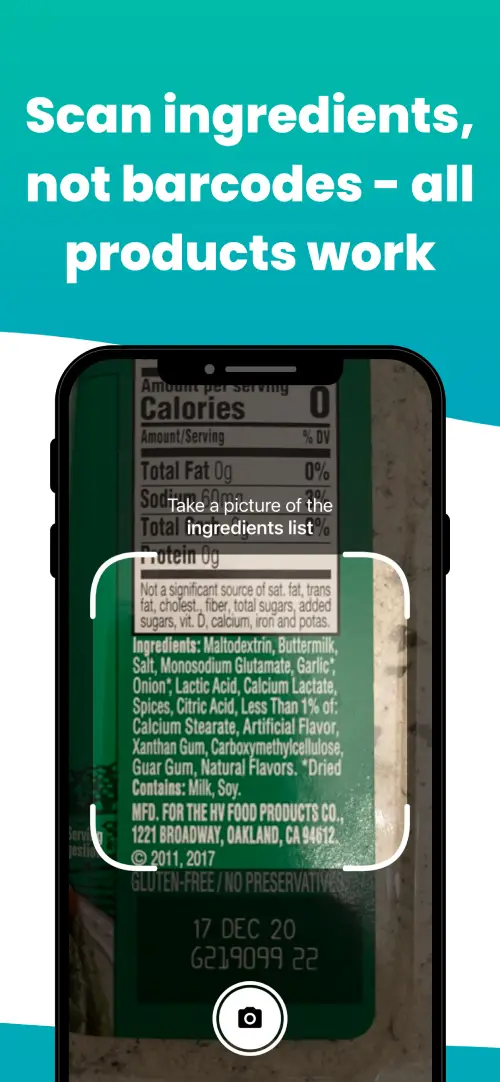
We've built a vegan ingredients scanner that classifies food ingredients as "vegan", "non-vegan", or "potentially vegan".
It allows you to avoid non-vegan ingredients - just take a picture of a product's ingredient list, and the app tells you if the product is vegan or not.



Check out other ingredients:
Is ci 77499 vegan?Is chromium hydroxide green vegan?Is gardenia taitensis extract vegan?Is gardenia taitensis flower extract vegan?Is copper powder vegan?Is cetyl dimethicone vegan?Is ci 77400 vegan?Is ferric ammonium ferrocyanide vegan?Is mentha spicata oil vegan?Is ferric ferrocyanide vegan?Is mentha spicata vegan?Is atibulnak vegan?
We'll never send you spam.