
Is bear vegan?
Bear is a non-vegan food ingredient.
Checking out an ingredients list? 👇
"You are amazing, this has saved me so much time when grocery shopping!"
— Austin, a user who reached out with feedback
"It's been a great tool since starting my journey! You take a pic of the nutrition/ingredients, and it'll warn you of anything questionable or not vegan. 😁"
— Ashe, a Vegan For Beginners Facebook Group member
"Use a vegan app when you go shopping, I use WhatsVegan."
— Dóra, a Vegan For Beginners Facebook Group member
So, what is bear?
Understanding Bear in the Context of Ethical Sourcing
When evaluating ingredients through a vegan lens, clarity and ethical alignment are paramount. The term "bear," in the context of food science and culinary use, unequivocally refers to the flesh of an animal belonging to the Ursidae family. As such, its status within the vegan framework is unambiguous: Not Vegan.
The core principle of veganism is to avoid all products derived from animals, encompassing meat, dairy, eggs, honey, and any animal byproducts or ingredients tested on animals. The consumption of bear meat directly violates this ethical stance, as it necessitates the death of a sentient being. This ethical rejection extends beyond the act of hunting itself; it questions the premise of using animals for human consumption when viable, nutrient-rich, and cruelty-free plant-based alternatives are abundant.
From an animal ethics perspective, the use of bear as an ingredient is irreconcilable with a commitment to minimizing harm. Whether hunted in the wild or sourced from captive animals, the process involves significant animal suffering and the exploitation of a living creature for human palate preferences. The pursuit of a truly cruelty-free lifestyle mandates a clear distinction between ingredients that respect animal autonomy and those that capitalize on their exploitation.
While "bear" itself is not typically a hidden ingredient or a processing aid in the same way some animal-derived components like gelatin or bone char might be, its presence in any food product signifies a direct, overt animal source. For consumers committed to veganism, this means diligently reviewing ingredient lists and ensuring label transparency for all food items, although bear meat is rarely found in mass-market products.
Fortunately, for those seeking to explore rich, savory, and robust flavor profiles without compromising ethical standards, an extensive array of plant-based alternatives exists. Ingredients like king oyster mushrooms, carefully seasoned and textured jackfruit, hearty lentils, or innovative seitan-based preparations can offer a satisfying chew and depth of umami. These alternatives, when expertly prepared, can mimic the substantiality and unique mouthfeel sometimes associated with game meats, providing a delicious and ethical culinary experience.
In essence, the ingredient "bear" stands as a clear demarcation point. Its non-vegan status is rooted in the fundamental ethical tenet of avoiding harm to animals. For the vegan food scientist and the ethical consumer, the path forward is clear: to champion and innovate with the incredible bounty of plant-derived ingredients, fostering a food system that aligns with compassion and sustainability.
How to quickly find the source of ingredients like bear?
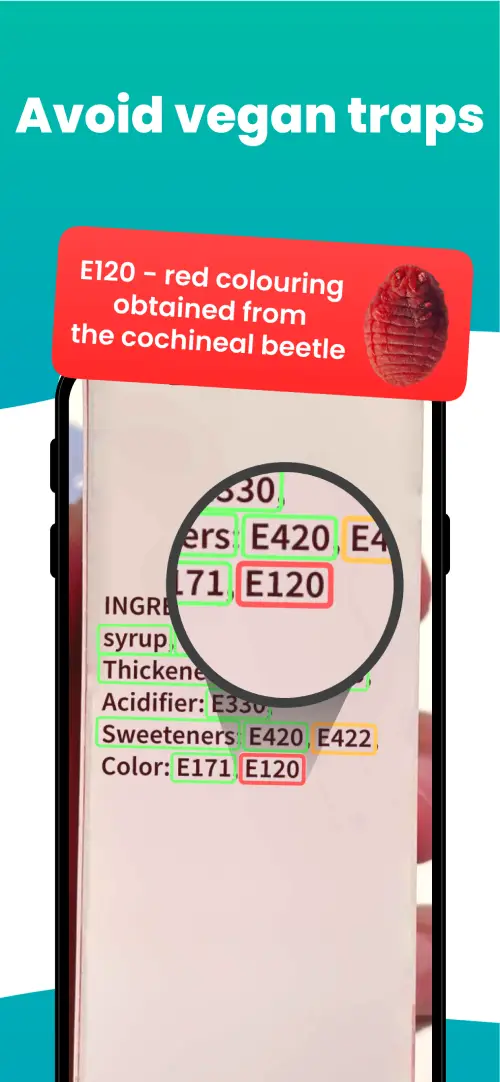
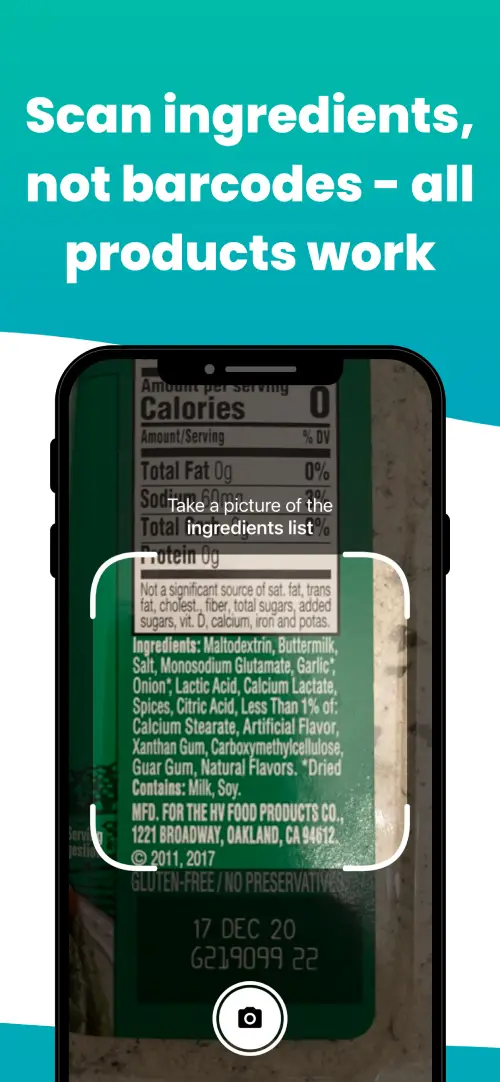
We've built a vegan ingredients scanner that classifies food ingredients as "vegan", "non-vegan", or "potentially vegan".
It allows you to avoid non-vegan ingredients - just take a picture of a product's ingredient list, and the app tells you if the product is vegan or not.



Check out other ingredients:
Is beaver vegan?Is cooked tilapia vegan?Is cooked sturgeon vegan?Is beluga flipper vegan?Is goose egg vegan?Is soft boiled egg vegan?Is cooked rainbow trout vegan?Is armadillo cooked vegan?Is cooked snapper vegan?Is egg yolk dried vegan?Is cooked halibut vegan?Are matieres grasse végétales vegan?
We'll never send you spam.