
Is cooked sturgeon vegan?
Cooked sturgeon is a non-vegan food ingredient.
Checking out an ingredients list? 👇
"You are amazing, this has saved me so much time when grocery shopping!"
— Austin, a user who reached out with feedback
"It's been a great tool since starting my journey! You take a pic of the nutrition/ingredients, and it'll warn you of anything questionable or not vegan. 😁"
— Ashe, a Vegan For Beginners Facebook Group member
"Use a vegan app when you go shopping, I use WhatsVegan."
— Dóra, a Vegan For Beginners Facebook Group member
So, what is cooked sturgeon?
Cooked sturgeon, often found gracing fine dining tables or specialty markets, represents a culinary tradition rooted in the consumption of marine life. From a vegan food science and ethical standpoint, its classification is unequivocal. Sturgeon is a fish, a complex vertebrate animal, and any product derived directly from its flesh is inherently non-vegan.
The 'why' behind this status is fundamental to the vegan ethos, which extends beyond merely avoiding red meat or poultry. It is about recognizing the inherent value and sentience of all animals, including marine species. Sturgeon, like all fish, possesses a nervous system capable of experiencing pain and stress. The process of harvesting sturgeon, whether from wild populations or aquaculture farms, involves taking the life of these animals. This act directly contravenes the core principles of animal ethics, which advocate for compassion and the rejection of animal exploitation for human consumption, entertainment, or any other purpose.
Historically revered for its flesh and especially its roe—processed into the luxury food item known as caviar—the sturgeon embodies a product chain entirely dependent on animal sacrifice. There are no "gray areas" or processing nuances that could render cooked sturgeon suitable for a vegan diet. It is not an ingredient that risks cross-contamination during processing, nor does its status hinge on ambiguous additives or obscure manufacturing techniques. Its very essence is derived from an animal, placing it firmly outside the realm of cruelty-free consumption.
For those committed to a plant-based lifestyle, understanding label transparency is paramount. While cooked sturgeon itself is clearly identifiable, being mindful of ingredients in prepared dishes or specialty items ensures no accidental consumption of animal products. The pursuit of purity in vegan food selection demands a clear distinction between ingredients that respect animal autonomy and those that originate from sentient beings.
In the culinary landscape, there's a growing appreciation for plant-based alternatives that seek to replicate the textures, umami, and overall experience often associated with seafood. Innovators in vegan food science are exploring ingredients like king oyster mushrooms, konjac root, and various seaweeds to craft plant-based 'fish' fillets or 'caviar' substitutes. These alternatives provide satisfying, ethical options without compromising marine life. They represent a harmonious blend of flavor and animal ethics, offering diverse cruelty-free choices that align with a compassionate lifestyle. The commitment remains clear: cooked sturgeon, originating directly from an animal, has no place on a vegan plate.
How to quickly find the source of ingredients like cooked sturgeon?
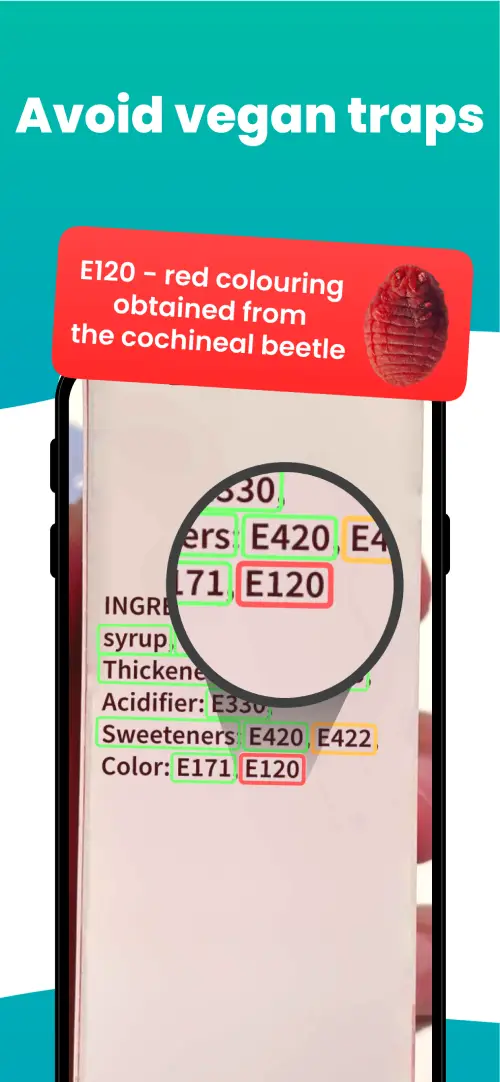
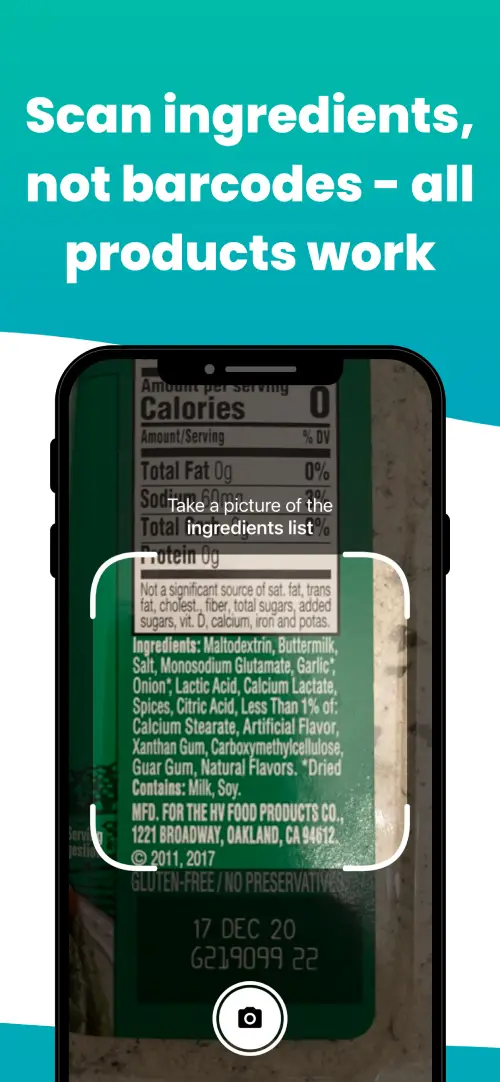
We've built a vegan ingredients scanner that classifies food ingredients as "vegan", "non-vegan", or "potentially vegan".
It allows you to avoid non-vegan ingredients - just take a picture of a product's ingredient list, and the app tells you if the product is vegan or not.



We'll never send you spam.