
Is canned hominy vegan?
Canned hominy is a vegan food ingredient.
Checking out an ingredients list? 👇
"You are amazing, this has saved me so much time when grocery shopping!"
— Austin, a user who reached out with feedback
"It's been a great tool since starting my journey! You take a pic of the nutrition/ingredients, and it'll warn you of anything questionable or not vegan. 😁"
— Ashe, a Vegan For Beginners Facebook Group member
"Use a vegan app when you go shopping, I use WhatsVegan."
— Dóra, a Vegan For Beginners Facebook Group member
So, what is canned hominy?
Canned Hominy: An Essential Guide for the Conscious Consumer
Canned hominy, often a staple in kitchens across various cultures, is derived from dried field corn that undergoes a unique processing method known as nixtamalization. This ancient technique, originating in Mesoamerica, involves soaking and cooking the corn kernels in an alkaline solution, typically limewater (calcium hydroxide). This process isn't merely about softening the kernels; it's a transformative step that removes the pericarp (outer skin) and germ, significantly enhances the corn's nutritional value by making niacin more bioavailable, and imparts its distinctive puffy texture and earthy flavor profile.
From an ethical and scientific perspective, canned hominy stands as an unequivocally vegan ingredient. The nixtamalization process relies solely on the corn kernel itself, water, and a mineral-derived alkali, calcium hydroxide. This processing aid is synthesized from naturally occurring minerals and contains no animal products or byproducts whatsoever. There are no "gray areas" with hominy; it is entirely plant-based from its core ingredient to its production methodology. This straightforward composition aligns perfectly with cruelty-free principles, ensuring that no animals or animal-derived components are involved at any stage of its cultivation, processing, or packaging.
As a foundational ingredient, canned hominy is not merely "potentially" vegan; it is inherently so, making it an excellent and reliable addition to any plant-based pantry. While it doesn't serve as a direct alternative to an animal product, its versatility allows it to replace less nutritionally dense or ethically ambiguous components in many dishes. Its plump, chewy texture and mild, slightly sweet corn flavor make it ideal for stews, soups, casseroles, and salads, providing substance and satisfaction without compromise.
When selecting canned hominy, label transparency is typically excellent. Most brands list just three simple ingredients: hominy, water, and salt. This minimal ingredient list further reinforces its vegan status, leaving no room for hidden animal-derived additives or processing aids that might concern a vigilant consumer. The purity of hominy, derived directly from a plant source through a mineral-based process, makes it a consistently trustworthy choice for those adhering to a vegan lifestyle. Its inclusion supports a diet rich in whole foods, free from animal exploitation, and packed with traditional flavor.
How to quickly find the source of ingredients like canned hominy?
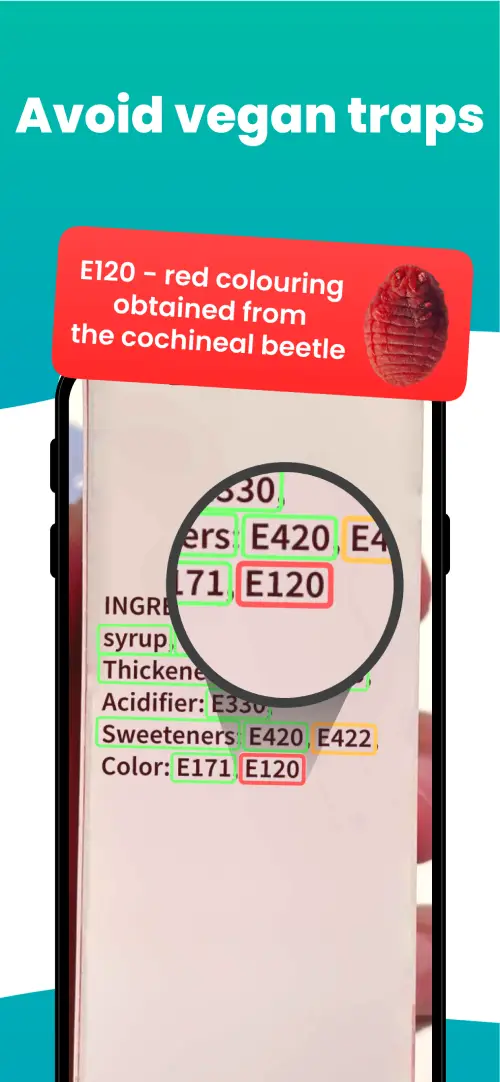
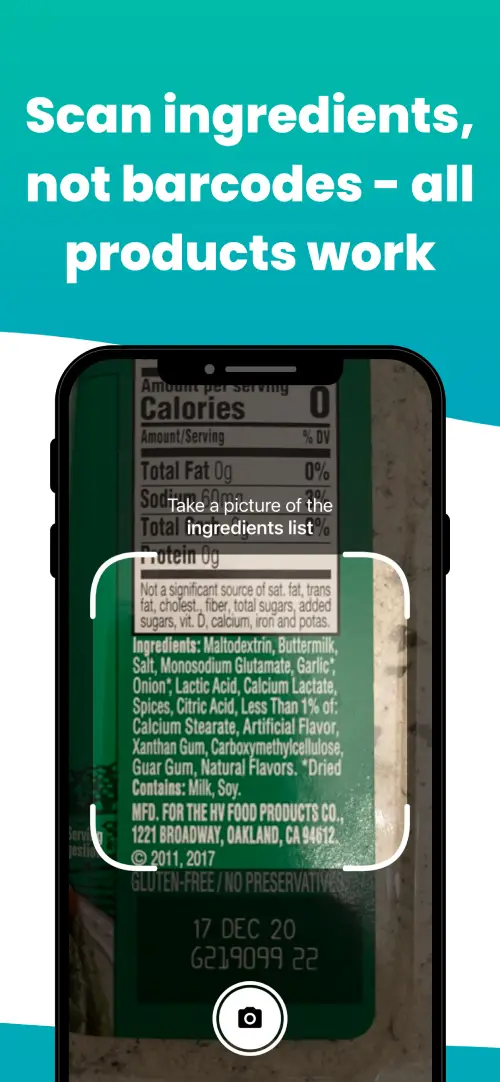
We've built a vegan ingredients scanner that classifies food ingredients as "vegan", "non-vegan", or "potentially vegan".
It allows you to avoid non-vegan ingredients - just take a picture of a product's ingredient list, and the app tells you if the product is vegan or not.



Check out other ingredients:
Is hominy canned yellow vegan?Are chrysanthemum leaves vegan?Is classic hummus vegan?Is hummus plain vegan?Is cooked chrysanthemum vegan?Is hummus flavored vegan?Is baby zucchini vegan?Is mushrooms pickled vegan?Is firm tofu vegan?Is bread pumpernickel vegan?Is water/eau vegan?Is aqua/water/eau vegan?
We'll never send you spam.