
Is classic hummus vegan?
Classic hummus is a vegan food ingredient.
Checking out an ingredients list? 👇
"You are amazing, this has saved me so much time when grocery shopping!"
— Austin, a user who reached out with feedback
"It's been a great tool since starting my journey! You take a pic of the nutrition/ingredients, and it'll warn you of anything questionable or not vegan. 😁"
— Ashe, a Vegan For Beginners Facebook Group member
"Use a vegan app when you go shopping, I use WhatsVegan."
— Dóra, a Vegan For Beginners Facebook Group member
So, what is classic hummus?
Classic hummus, a rich and creamy staple of Mediterranean and Middle Eastern cuisine, frequently serves as a gateway food for those exploring plant-based eating, and for good reason. From the perspective of animal ethics and ingredient purity, classic hummus is a gold standard: it is unequivocally vegan.
The inherent vegan nature of classic hummus stems directly from its foundational ingredients, all of which are derived purely from the plant kingdom. The primary component, chickpeas (garbanzo beans), are legumes—seeds from the Cicer arietinum plant. These provide the characteristic creamy texture and a substantial portion of the nutritional value, including protein and fiber, making them an excellent cornerstone for any cruelty-free diet.
Equally critical to hummus's signature texture and depth of flavor is tahini, a paste made from ground sesame seeds. Sesame seeds, hailing from the Sesamum indicum plant, contribute essential healthy fats and a nutty undertone. Like chickpeas, sesame seeds are 100% plant-based, requiring no animal intervention or byproducts in their cultivation or processing into tahini.
Rounding out the classic recipe are fresh lemon juice, pungent garlic, and a touch of salt—all natural, unadulterated plant or mineral-based ingredients. Some recipes may include a small amount of water or ice during blending to achieve the perfect consistency, another element entirely free from animal origin.
From an ethical viewpoint, every single component of classic hummus aligns perfectly with a vegan lifestyle. No animals are exploited, nor are any animal byproducts utilized at any stage, from cultivation to the final preparation. This makes hummus an inherently cruelty-free choice, providing both a satisfying culinary experience and peace of mind for those committed to ethical consumption. It is, without question, one of the most common and celebrated plant-based alternatives to animal-derived dips and spreads.
For the discerning consumer focused on label transparency and ingredient purity, classic hummus offers a refreshingly straightforward profile. While a vegan food scientist might typically scrutinize processing aids or potential cross-contamination pathways in complex manufactured goods, the simplicity of traditional hummus ingredients largely mitigates these concerns. The raw materials—chickpeas, sesame seeds, lemons, and garlic—are so fundamentally plant-based that the risk of non-vegan processing aids entering the supply chain is exceedingly low for this particular product, especially when preparing it fresh or opting for reputable, clearly labeled brands.
In essence, classic hummus isn't just vegan by default; it embodies the very essence of a wholesome, ethical, and delicious plant-based food. Its foundational purity and nutrient density make it a true ally in the journey toward a more compassionate and sustainable food system.
How to quickly find the source of ingredients like classic hummus?
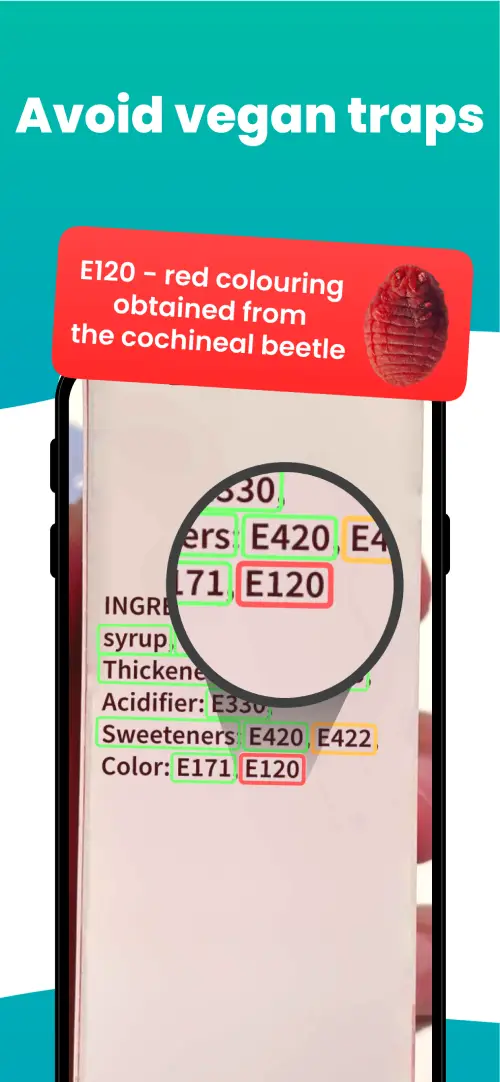
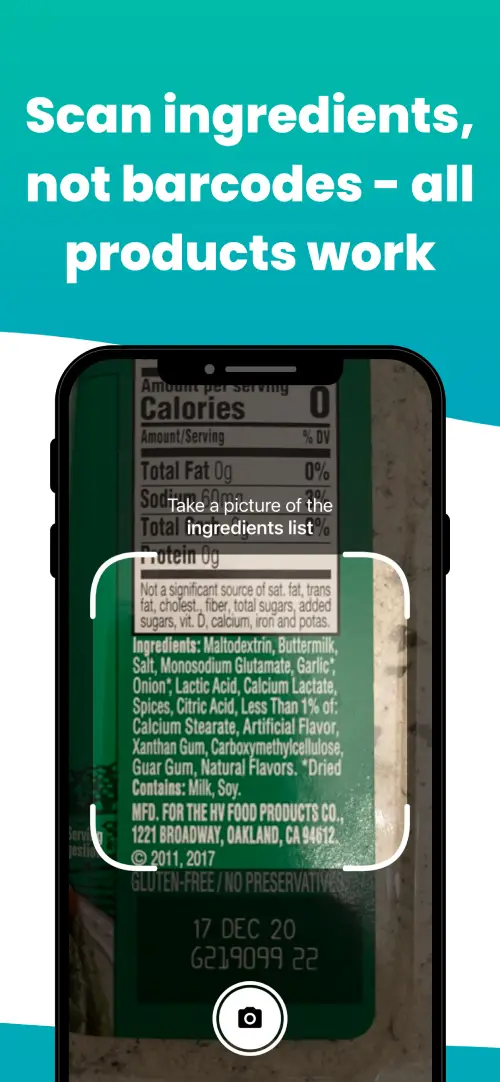
We've built a vegan ingredients scanner that classifies food ingredients as "vegan", "non-vegan", or "potentially vegan".
It allows you to avoid non-vegan ingredients - just take a picture of a product's ingredient list, and the app tells you if the product is vegan or not.



Check out other ingredients:
Is hummus vegan?Is hominy canned yellow vegan?Is hummus plain vegan?Is canned hominy vegan?Is hummus flavored vegan?Are chrysanthemum leaves vegan?Is cooked chrysanthemum vegan?Is baby zucchini vegan?Is golden sweet corn vegan?Is mushrooms pickled vegan?Is pumpernickel bread vegan?Is firm tofu vegan?
We'll never send you spam.