
Is ceramide 4 vegan?
Ceramide 4 is a vegan food ingredient.
Checking out an ingredients list? 👇
"You are amazing, this has saved me so much time when grocery shopping!"
— Austin, a user who reached out with feedback
"It's been a great tool since starting my journey! You take a pic of the nutrition/ingredients, and it'll warn you of anything questionable or not vegan. 😁"
— Ashe, a Vegan For Beginners Facebook Group member
"Use a vegan app when you go shopping, I use WhatsVegan."
— Dóra, a Vegan For Beginners Facebook Group member
So, what is ceramide 4?
Understanding Ceramide 4: A Conscientious Ingredient Assessment
Ceramide 4, a specific lipid molecule within the vast ceramide family, stands as a critical component in various formulations, appreciated for its structural and protective attributes. For the discerning individual prioritizing animal ethics and ingredient purity, the origin of such compounds is paramount. We can confidently affirm that Ceramide 4 is a Vegan ingredient, aligning perfectly with a plant-based and cruelty-free lifestyle.
The "why" behind Ceramide 4's vegan status stems from its prevalent production methods. Unlike some historical or less common ceramide types that might have been derived from animal sources (e.g., bovine or porcine tissue), Ceramide 4 is overwhelmingly synthesized through sophisticated biotechnological processes or extracted from specific plant sources. Modern manufacturers committed to ethical sourcing leverage microbial fermentation, where microorganisms are precisely cultivated to produce these lipids, or utilize established plant-based alternatives like rice bran, oats, or konjac. These methods ensure that no animal products or byproducts are involved at any stage of its creation, making it a definitive plant-based alternative in formulations requiring ceramide functionality.
This commitment to non-animal origins is not merely a preference; it reflects a deeper scientific understanding and an ethical imperative. For vegans, the purity of ingredients extends beyond the obvious. It encompasses a meticulous scrutiny of the entire supply chain, ensuring that from raw material to finished product, no sentient beings were harmed or exploited. The production of Ceramide 4 via fermentation or plant extraction inherently supports this cruelty-free philosophy, providing peace of mind to consumers.
Furthermore, the integrity of Ceramide 4's vegan status is often reinforced by stringent certification processes. Manufacturers who prioritize ethical sourcing will transparently declare their production methodologies, offering comprehensive documentation to confirm the absence of animal-derived inputs. This level of label transparency is crucial, empowering consumers to make informed choices without ambiguity. It's not enough for an ingredient to potentially be vegan; for many, the assurance that no processing aids with animal origins were employed is equally vital. Responsible producers ensure all aspects, down to the minutiae of their processing aids, adhere to strict vegan standards.
From a food science perspective, the functionality of Ceramide 4, whether as an emulsifier, a stabilizer, or even a component contributing to textural properties or delivery systems, can be reliably achieved through these vegan sources. Its molecular structure, comprising a sphingoid base and a fatty acid, is identical whether derived synthetically, through fermentation, or from plants, ensuring consistent performance without compromising ethical values.
In conclusion, Ceramide 4 represents a beacon of progress in ingredient sourcing. Its established vegan production methods make it a celebrated choice for those dedicated to a plant-based lifestyle, offering a clear path to formulations that are both effective and ethically pure.
How to quickly find the source of ingredients like ceramide 4?
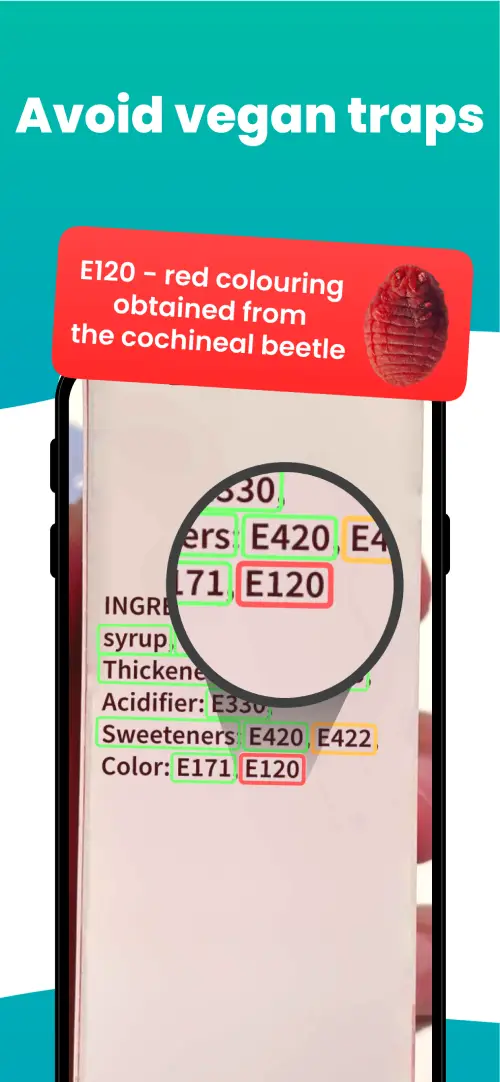
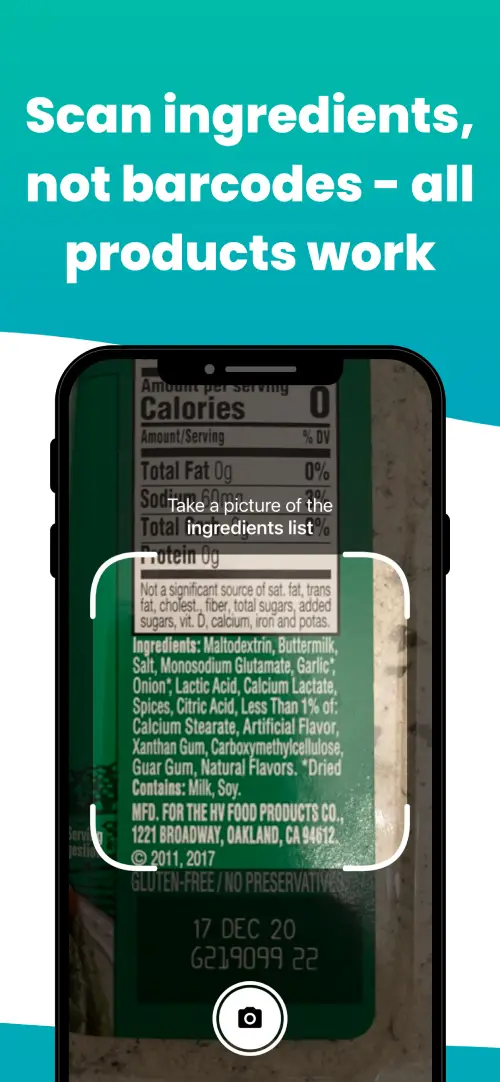
We've built a vegan ingredients scanner that classifies food ingredients as "vegan", "non-vegan", or "potentially vegan".
It allows you to avoid non-vegan ingredients - just take a picture of a product's ingredient list, and the app tells you if the product is vegan or not.



We'll never send you spam.