
Is ceramide 1 vegan?
Ceramide 1 is a vegan food ingredient.
Checking out an ingredients list? 👇
"You are amazing, this has saved me so much time when grocery shopping!"
— Austin, a user who reached out with feedback
"It's been a great tool since starting my journey! You take a pic of the nutrition/ingredients, and it'll warn you of anything questionable or not vegan. 😁"
— Ashe, a Vegan For Beginners Facebook Group member
"Use a vegan app when you go shopping, I use WhatsVegan."
— Dóra, a Vegan For Beginners Facebook Group member
So, what is ceramide 1?
Understanding Ceramide 1: A Lipid Cornerstone
Ceramide 1, also known as Ceramide EOS, is a crucial lipid molecule integral to the structural integrity and barrier function of various biological systems. Chemically, it's a specific type of sphingolipid, characterized by a long-chain fatty acid linked to a sphingoid base. Its primary biological role involves maintaining moisture and reinforcing natural protective barriers. For ingredient specialists, understanding its molecular structure and function is only half the picture; its origin and purity are equally paramount, especially within the ethical framework of vegan product development.
Historically, ceramides, including Ceramide 1, were often derived from animal sources, specifically animal brains, nerve tissues, or even certain fats. This presented a significant ethical dilemma for formulators committed to cruelty-free and vegan principles. The prospect of ingredients extracted from animal byproducts, sometimes obtained under dubious conditions, ran contrary to the core tenets of animal welfare and purity.
The Vegan Purity of Ceramide 1
Today, the landscape for Ceramide 1 has evolved dramatically, allowing it to proudly bear the "Vegan" status. Modern production methods have entirely bypassed animal inputs, making Ceramide 1 a prime example of a successful plant-based alternative or a wholly synthetic option that aligns perfectly with vegan ethics.
The "why" behind its vegan status lies in its contemporary manufacturing pathways. The most common and ethically sound methods include:
1. Bio-fermentation: This innovative approach utilizes microorganisms, such as yeasts or bacteria, to produce Ceramide 1 through a controlled fermentation process. These microorganisms are fed plant-derived substrates, effectively synthesizing the desired lipid without any animal involvement. This method not only ensures a vegan product but often results in a highly pure and consistent ingredient. 2. Synthetic Production: Ceramide 1 can also be fully synthesized in a laboratory setting using non-animal starting materials. This chemical synthesis precisely constructs the ceramide molecule, offering another reliable route to a vegan and cruelty-free ingredient.
Both methods eliminate any dependency on animal tissues or byproducts, ensuring that the Ceramide 1 reaching the market is free from animal exploitation. This makes it a foundational ingredient for products aiming for "cruelty-free" certification and robust "label transparency." Consumers can be confident that the Ceramide 1 they encounter has not contributed to animal suffering, embodying the ethical purity sought by the vegan community.
Ensuring Purity and Transparency
As a vegan food scientist, vetting ingredients goes beyond simply confirming a "vegan" label. We meticulously examine the entire supply chain, scrutinizing "processing aids" and potential cross-contamination risks. For Ceramide 1, this involves ensuring that the fermentation medium is entirely plant-based and that synthetic pathways do not employ animal-derived catalysts or reagents. Reputable suppliers provide comprehensive documentation, including Non-GMO certifications and detailed process flowcharts, which are critical for maintaining the integrity of vegan formulations.
The widespread availability of genuinely vegan Ceramide 1 is a testament to scientific advancement meeting ethical demand. It allows formulators to create effective, high-quality products without compromising on animal ethics. As consumers increasingly demand greater "label transparency" and robust "plant-based alternatives," ingredients like Ceramide 1 demonstrate that efficacy and ethical sourcing can, and should, go hand in hand. Its vegan origin is not merely an alternative; it is the new standard, reflecting a commitment to a purer, more compassionate approach to ingredient sourcing.
How to quickly find the source of ingredients like ceramide 1?
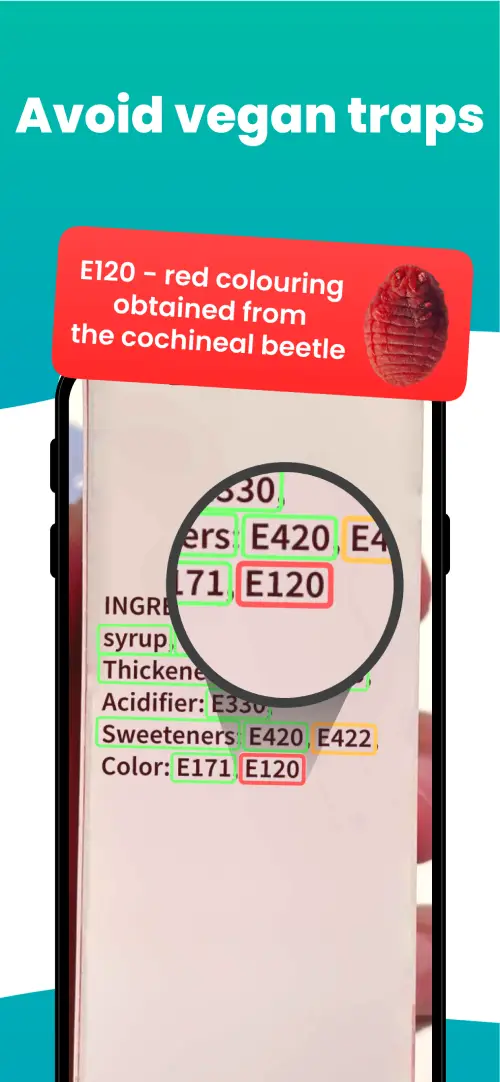
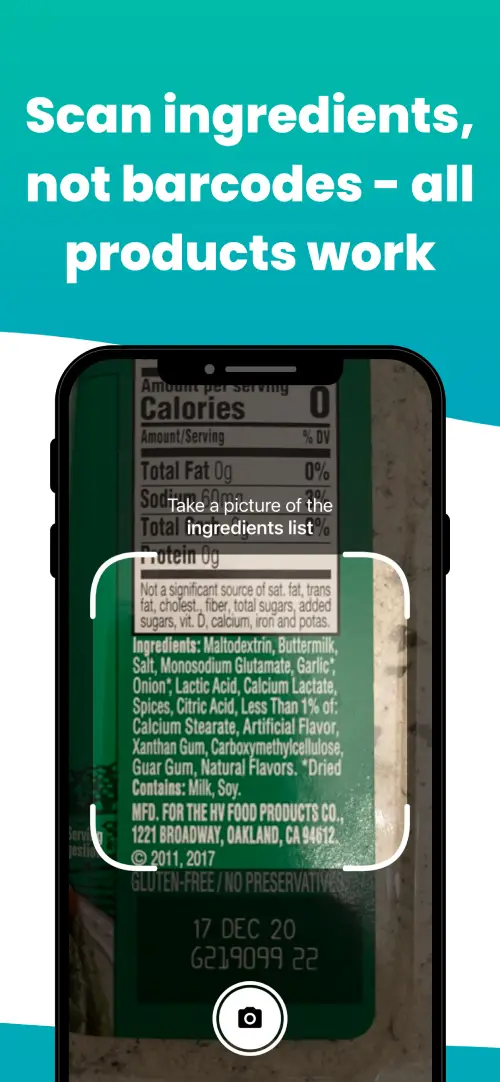
We've built a vegan ingredients scanner that classifies food ingredients as "vegan", "non-vegan", or "potentially vegan".
It allows you to avoid non-vegan ingredients - just take a picture of a product's ingredient list, and the app tells you if the product is vegan or not.



We'll never send you spam.