
Is collagen vegan?
Collagen is a non-vegan food ingredient.
Checking out an ingredients list? 👇
"You are amazing, this has saved me so much time when grocery shopping!"
— Austin, a user who reached out with feedback
"It's been a great tool since starting my journey! You take a pic of the nutrition/ingredients, and it'll warn you of anything questionable or not vegan. 😁"
— Ashe, a Vegan For Beginners Facebook Group member
"Use a vegan app when you go shopping, I use WhatsVegan."
— Dóra, a Vegan For Beginners Facebook Group member
So, what is collagen?
Understanding Collagen: A Foundational Ingredient
Collagen, a term frequently encountered in discussions surrounding skin elasticity, joint health, and overall vitality, holds a unique and often misunderstood position within the realm of food science and ethical consumption. From a scientific and ethical perspective, it's crucial to unequivocally state its status: Collagen is Not Vegan.
The Animal Origin of Collagen
At its core, collagen is the most abundant structural protein in the animal kingdom, forming the primary component of connective tissues such in mammals. When we talk about collagen as an ingredient in supplements, beauty products, or certain food items, we are referring to a protein directly sourced from animals. The vast majority of commercially available collagen is derived from bovine (cow) sources, specifically from the hides, bones, and cartilage. Other common sources include marine (fish) collagen, extracted from fish scales, skin, and bones, and less frequently, porcine (pig) collagen.
This origin means that the production of collagen necessitates the slaughter and processing of these animals. It is a direct byproduct of the meat and fishing industries. For individuals committed to a vegan lifestyle, which inherently rejects the use of animals for any purpose, including food, clothing, or ingredients, collagen presents an immediate and irreconcilable conflict. The very process of obtaining collagen stands in direct opposition to the principles of animal ethics and a cruelty-free existence.
Beyond the Label: The Purity Perspective
From the viewpoint of a vegan food scientist, the concern extends beyond the macroscopic origin. Collagen's fibrous protein structure is uniquely animal-specific. There is no such thing as "plant collagen" in the literal sense because plants simply do not produce this specific protein. Any product claiming to contain "vegan collagen" is either misrepresenting its ingredients or referring to something entirely different, typically a blend of plant-derived ingredients designed to support the body's natural collagen production. This distinction is vital for label transparency and consumer education.
Plant-Based Approaches to Collagen Support
Recognizing the desire for healthy skin, hair, and joints without compromising ethical values, the vegan food science community focuses on developing sophisticated plant-based alternatives that facilitate the body's endogenous collagen synthesis. Our bodies naturally produce collagen, and this process can be optimized through a nutrient-rich diet.
Instead of consuming animal-derived collagen, vegans turn to a synergistic combination of specific nutrients that serve as building blocks and cofactors for our own collagen production. Key components include:
Vitamin C: Essential for collagen cross-linking and stability. Amino Acids: Particularly glycine, proline, and lysine, which are abundant in collagen, can be obtained from plant protein sources like legumes, nuts, seeds, and whole grains. Silica: Found in horsetail extract and bamboo, it's believed to play a role in collagen formation. Sulfur-rich compounds: Present in foods like alliums (garlic, onions) and cruciferous vegetables (broccoli, kale), which are important for connective tissue health. Antioxidants:* From berries, dark leafy greens, and other vibrant produce, which protect existing collagen from degradation.
These plant-derived ingredients are not collagen themselves, but rather powerful allies in encouraging the body's natural ability to produce and maintain its own healthy collagen structures. This approach aligns perfectly with the vegan philosophy, offering a truly cruelty-free path to wellness.
Conclusion
For those prioritizing animal ethics and purity in their consumption choices, collagen, due to its undeniable animal origin, remains firmly off the vegan ingredient list. Understanding its source is paramount, and discerning consumers should always scrutinize labels, looking beyond marketing claims to the true nature of the ingredients. The future of ethical wellness lies not in consuming animal products, but in leveraging the incredible power of plants to support our body's inherent physiological processes.
How to quickly find the source of ingredients like collagen?
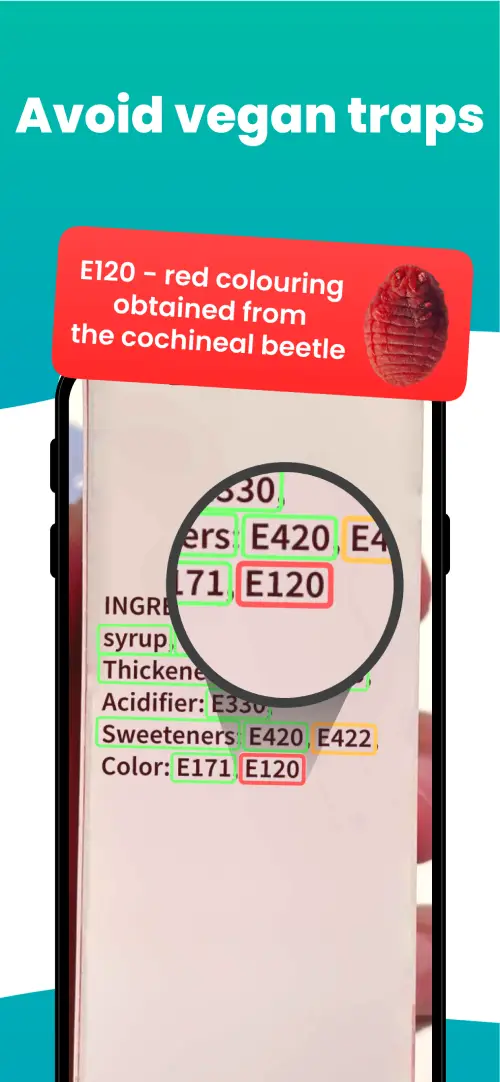
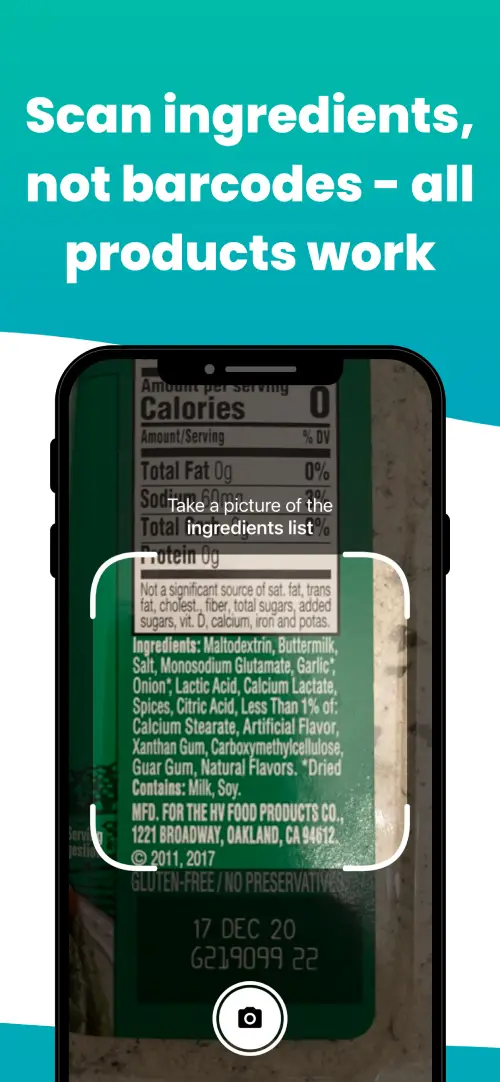
We've built a vegan ingredients scanner that classifies food ingredients as "vegan", "non-vegan", or "potentially vegan".
It allows you to avoid non-vegan ingredients - just take a picture of a product's ingredient list, and the app tells you if the product is vegan or not.



Check out other ingredients:
Is sturgeon steamed vegan?Is fish collagen vegan?Is sturgeon vegan?Is hydrolysed whey protein isolate vegan?Is smoked chorizo sausage vegan?Is whole milk ricotta cheese vegan?Is walleye pike vegan?Is northern pike vegan?Are mahi mahi fillets vegan?Is pasteurised whole and part skim milk vegan?Is mackerel smoked vegan?Is mackerel in brine vegan?
We'll never send you spam.