
Is hydrolysed whey protein isolate vegan?
Hydrolysed whey protein isolate is a non-vegan food ingredient.
Checking out an ingredients list? 👇
"You are amazing, this has saved me so much time when grocery shopping!"
— Austin, a user who reached out with feedback
"It's been a great tool since starting my journey! You take a pic of the nutrition/ingredients, and it'll warn you of anything questionable or not vegan. 😁"
— Ashe, a Vegan For Beginners Facebook Group member
"Use a vegan app when you go shopping, I use WhatsVegan."
— Dóra, a Vegan For Beginners Facebook Group member
So, what is hydrolysed whey protein isolate?
Hydrolysed Whey Protein Isolate: A Nutritional and Ethical Examination
Hydrolysed whey protein isolate is a prominent ingredient in the health and wellness sector, particularly valued for its high protein content and rapid digestibility. However, for those committed to a vegan lifestyle rooted in animal ethics, understanding its fundamental origin is crucial. Despite its advanced processing, hydrolysed whey protein isolate is unequivocally not vegan.
At its core, "whey" is a direct byproduct of the cheesemaking process. When milk, primarily from cows, is coagulated to form cheese curds, the liquid remaining is whey. This liquid is then further processed: filtered to remove fats and carbohydrates (lactose) to create an "isolate," and subsequently "hydrolysed." Hydrolysis involves breaking down the protein molecules into smaller peptides using enzymes or acids, making them easier for the body to absorb. While this enzymatic or chemical breakdown enhances digestibility and often reduces allergenicity, it does not alter the ingredient’s fundamental animal source. The milk itself originates from lactating mammals, specifically cows in industrial agriculture.
From an ethical standpoint, the production of whey protein is inextricably linked to the dairy industry, which is inherently incompatible with vegan principles of animal welfare and anti-exploitation. Dairy cows are subjected to cycles of forced impregnation, gestation, and lactation. Their calves are typically separated from them shortly after birth to ensure the milk can be harvested for human consumption, often destined for veal or other agricultural industries. This systemic use of sentient beings for their bodily secretions, and the subsequent fate of their offspring, directly conflicts with the concept of a cruelty-free existence. Thus, any product containing whey, hydrolysed or otherwise, carries the footprint of animal agriculture.
For vegans, meticulous label transparency is paramount. Even small quantities of animal-derived ingredients like whey can render a product unsuitable. While "processing aids" can sometimes complicate the vegan status of certain ingredients, in the case of hydrolysed whey protein isolate, its non-vegan designation stems directly from its primary animal source, not from auxiliary processing. Consumers dedicated to avoiding animal products must remain vigilant, understanding that scientific modifications like hydrolysis do not erase an ingredient’s ethical footprint.
Thankfully, a diverse and ever-growing array of plant-based alternatives offers comparable nutritional profiles without ethical compromise. Pea protein, with its complete amino acid profile, is a highly popular and effective alternative. Other excellent options include rice protein, hemp protein, fava bean protein, and pumpkin seed protein, often used in blends to achieve a balanced amino acid spectrum. These plant-derived proteins provide clean, sustainable, and truly cruelty-free options for those seeking performance nutrition aligned with their values.
In conclusion, while hydrolysed whey protein isolate offers specific benefits to some, its direct derivation from dairy milk makes it unambiguously non-vegan. Informed choices, guided by a clear understanding of ingredient origins and a commitment to animal ethics, are fundamental for anyone pursuing a truly plant-based lifestyle.
How to quickly find the source of ingredients like hydrolysed whey protein isolate?
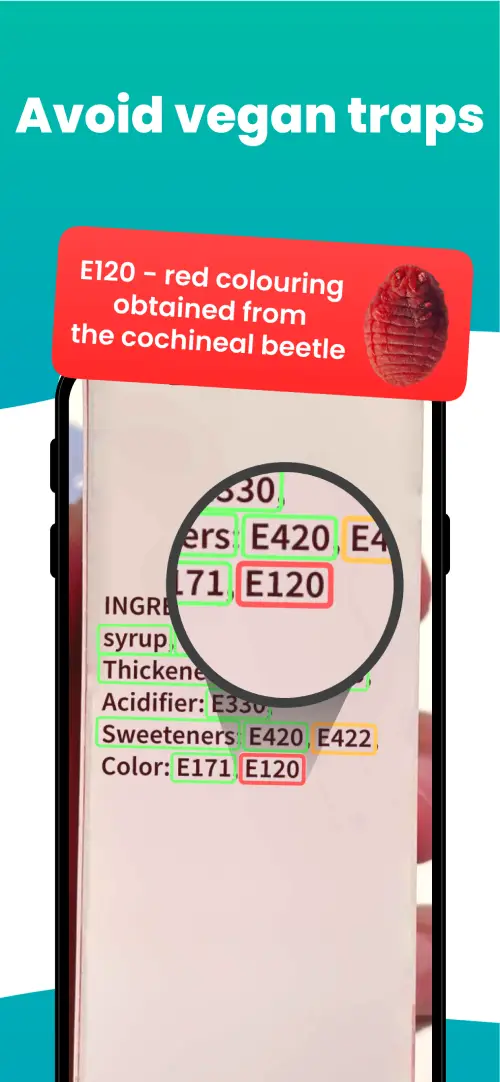
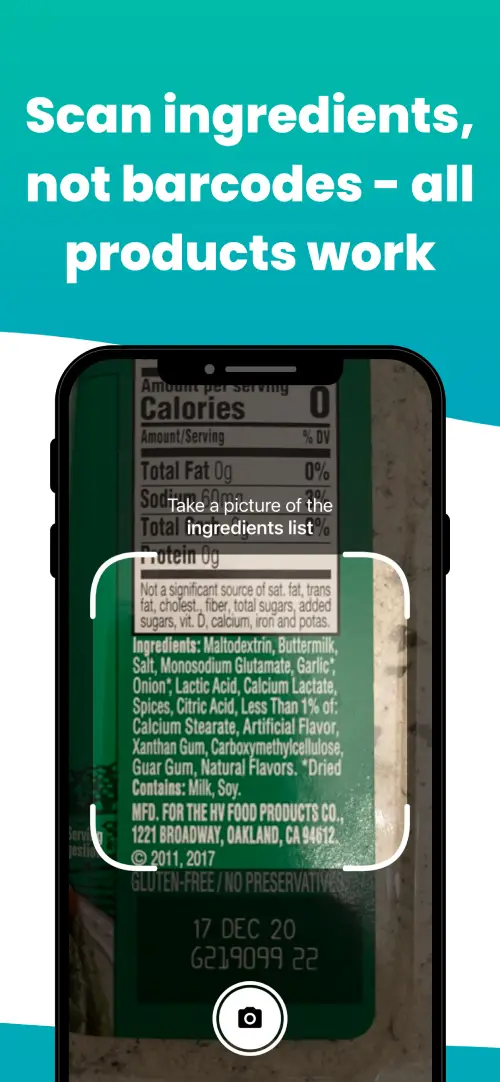
We've built a vegan ingredients scanner that classifies food ingredients as "vegan", "non-vegan", or "potentially vegan".
It allows you to avoid non-vegan ingredients - just take a picture of a product's ingredient list, and the app tells you if the product is vegan or not.



Check out other ingredients:
Is whole milk ricotta cheese vegan?Is hydrolyzed whey protein isolate vegan?Is micellar casein vegan?Is pasteurised whole and part skim milk vegan?Is sturgeon steamed vegan?Is collagen vegan?Is sturgeon vegan?Is pasteurised cream vegan?Is cultured nonfat milk vegan?Is walleye pike vegan?Is zioła i przyprawy vegan?Is maize dextrín vegan?
We'll never send you spam.