
Is confectionery glaze vegan?
Confectionery glaze is a non-vegan food ingredient.
Checking out an ingredients list? 👇
"You are amazing, this has saved me so much time when grocery shopping!"
— Austin, a user who reached out with feedback
"It's been a great tool since starting my journey! You take a pic of the nutrition/ingredients, and it'll warn you of anything questionable or not vegan. 😁"
— Ashe, a Vegan For Beginners Facebook Group member
"Use a vegan app when you go shopping, I use WhatsVegan."
— Dóra, a Vegan For Beginners Facebook Group member
So, what is confectionery glaze?
Understanding Confectionery Glaze in Vegan Ethics
Confectionery glaze is a ubiquitous ingredient, often lending a desirable sheen, protective coating, and extended shelf life to a wide array of sweet treats – from candies and chocolates to baked goods and even fresh produce like apples. Its functional properties are undeniable, making items more appealing and resilient. However, for those committed to a vegan lifestyle, understanding the composition of this ingredient is paramount, as its standard form is definitively not plant-based.
At its core, the ingredient listed simply as "confectionery glaze" almost invariably refers to shellac. Shellac is a natural resin secreted by the female lac insect (scientific name: Kerria lacca), which is native to forests in India and Thailand. These tiny insects create a protective, amber-hued casing around themselves on tree branches. To produce shellac, these resinous secretions are harvested, crushed, and processed to purify the raw material.
From a vegan perspective, the use of shellac in any form, including confectionery glaze, directly contradicts the principles of animal ethics and purity. Veganism seeks to exclude all forms of animal exploitation and cruelty, and this extends to insects. While the lac insects are not typically "farmed" in the conventional sense of livestock, their secretions are harvested directly from their habitat, involving the disruption of their natural lifecycle and the utilization of their biological output for human consumption. This constitutes the use of an animal byproduct, placing shellac firmly in the "not vegan" category. The pursuit of a truly cruelty-free diet necessitates the avoidance of such ingredients.
For consumers, the challenge often lies in label transparency. "Confectionery glaze" is a generic term that legally allows manufacturers to use shellac without explicitly stating "shellac" on the ingredient list. This ambiguity means that unless a product is specifically labeled "vegan" or "plant-based," or uses alternative glazing agents, there's a strong likelihood it contains this insect-derived ingredient. Diligent label scrutiny becomes a critical step for adhering to vegan principles.
Fortunately, the food industry has developed several effective plant-based alternatives that can achieve similar functional and aesthetic qualities. Common vegan options for glazing include carnauba wax, derived from the leaves of the carnauba palm; candelilla wax, sourced from the candelilla shrub; and zein, a corn protein that forms an excellent barrier and provides shine. Various hydrocolloids and plant-based gum formulations can also be employed as processing aids to create desirable textures and coatings without resorting to animal-derived ingredients. These alternatives offer manufacturers a clear pathway to producing truly cruelty-free products while delivering the sensory experience consumers expect.
Ultimately, understanding that "confectionery glaze" is typically synonymous with insect-derived shellac is crucial for anyone navigating the vegan landscape. The ethical commitment to avoiding animal exploitation, regardless of the animal's size or complexity, demands a critical eye on ingredient lists and an appreciation for the growing availability of genuinely plant-based, ethical alternatives.
How to quickly find the source of ingredients like confectionery glaze?
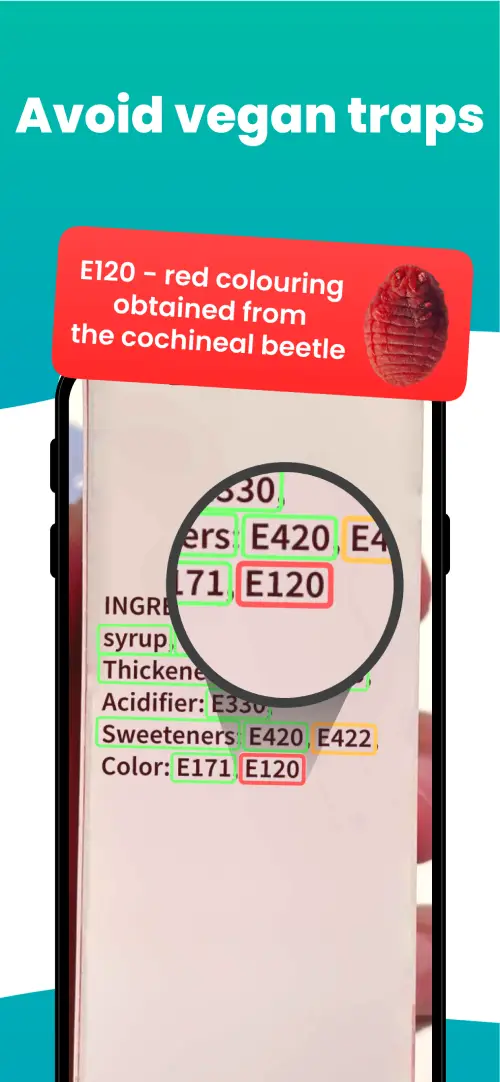
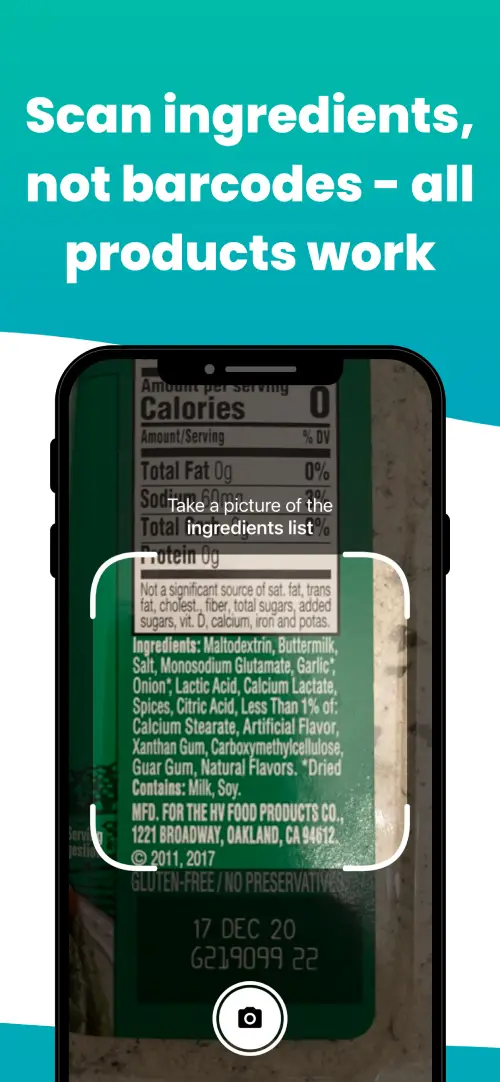
We've built a vegan ingredients scanner that classifies food ingredients as "vegan", "non-vegan", or "potentially vegan".
It allows you to avoid non-vegan ingredients - just take a picture of a product's ingredient list, and the app tells you if the product is vegan or not.



Check out other ingredients:
Is confectioner's sugar vegan?Is confectioners glaze vegan?Is confectioners' glaze vegan?Is confectioners sugar vegan?Is confectioner's glaze vegan?Is mule deer vegan?Is mallard duck vegan?Is greylag goose vegan?Is magnesium lanolate vegan?Is european rabbit vegan?Is uric acid vegan?Is domestic goat vegan?
We'll never send you spam.