
Is magnesium lanolate vegan?
Magnesium lanolate is a non-vegan food ingredient.
Checking out an ingredients list? 👇
"You are amazing, this has saved me so much time when grocery shopping!"
— Austin, a user who reached out with feedback
"It's been a great tool since starting my journey! You take a pic of the nutrition/ingredients, and it'll warn you of anything questionable or not vegan. 😁"
— Ashe, a Vegan For Beginners Facebook Group member
"Use a vegan app when you go shopping, I use WhatsVegan."
— Dóra, a Vegan For Beginners Facebook Group member
So, what is magnesium lanolate?
Understanding Magnesium Lanolate in Formulations
In the intricate world of cosmetic, pharmaceutical, and even some food-grade formulations, various emollients, emulsifiers, and stabilizers play crucial roles. Magnesium lanolate is one such compound often encountered, valued for its skin-conditioning properties and ability to blend oil and water phases. However, for those committed to a vegan lifestyle and the principles of animal ethics, a clear understanding of its origin is paramount.
The Animal Origin of Lanolate
Magnesium lanolate's status is unequivocally Not Vegan. Its derivation traces directly back to lanolin, a wax secreted by the sebaceous glands of wool-bearing animals, primarily sheep. Lanolin serves as a natural waterproofing agent, protecting the sheep's wool and skin from the elements. To obtain lanolin, sheep's wool is shorn, and the raw wool is then put through a rigorous washing process. The lanolin is extracted from the wash water, purified, and further processed. Magnesium lanolate is then synthesized from this animal-derived lanolin.
From an ethical standpoint, the use of lanolin, and consequently its derivatives like magnesium lanolate, is intrinsically linked to the sheep farming industry. While sheep shearing is often presented as a necessary welfare practice, the industry, like all animal agriculture, raises significant concerns regarding animal exploitation, living conditions, and the ultimate purpose of animals as commodities. For vegans, who strive to avoid all forms of animal product and byproduct, the sourcing of lanolin directly conflicts with the foundational principle of rejecting animal use for human benefit. The inherent connection to an animal’s bodily secretions, even if collected post-shearing, renders it unsuitable for a truly cruelty-free and animal-product-free ethos.
Navigating Formulations and Seeking Alternatives
When examining ingredient lists, the presence of "magnesium lanolate" or even "lanolin" itself signals a non-vegan product. For consumers and formulators dedicated to ethical sourcing, this necessitates a deliberate search for plant-based alternatives. Fortunately, the realm of botanical ingredients offers a rich spectrum of effective substitutes that deliver similar functional benefits without compromising animal welfare.
For instance, plant-derived waxes such as candelilla wax, carnauba wax, or sunflower wax can provide excellent emollient and emulsifying properties. Various vegetable oils and butters, including shea butter, cocoa butter, jojoba oil, and mango butter, offer superior moisturizing and conditioning benefits, often surpassing lanolin's capabilities without any ethical drawbacks. Plant-derived esters and fatty alcohols also serve as sophisticated alternatives for emulsification and texture enhancement. These ingredients uphold the principles of purity and ethical sourcing, aligning with the growing demand for truly cruelty-free products.
The Importance of Label Transparency
For conscious consumers, demanding clear label transparency is crucial. While some brands might attempt to mask animal-derived ingredients with obscure chemical names, understanding the root source, as with lanolin and its derivatives, empowers informed decision-making. The commitment to a vegan lifestyle extends beyond diet, encompassing all products we use. By understanding ingredients like magnesium lanolate, and actively seeking out certified plant-based alternatives, we champion a market that values animal welfare and sustainable, ethical innovation. Choosing alternatives sends a clear message that purity of ingredients and the respect for all living beings are non-negotiable standards.
How to quickly find the source of ingredients like magnesium lanolate?
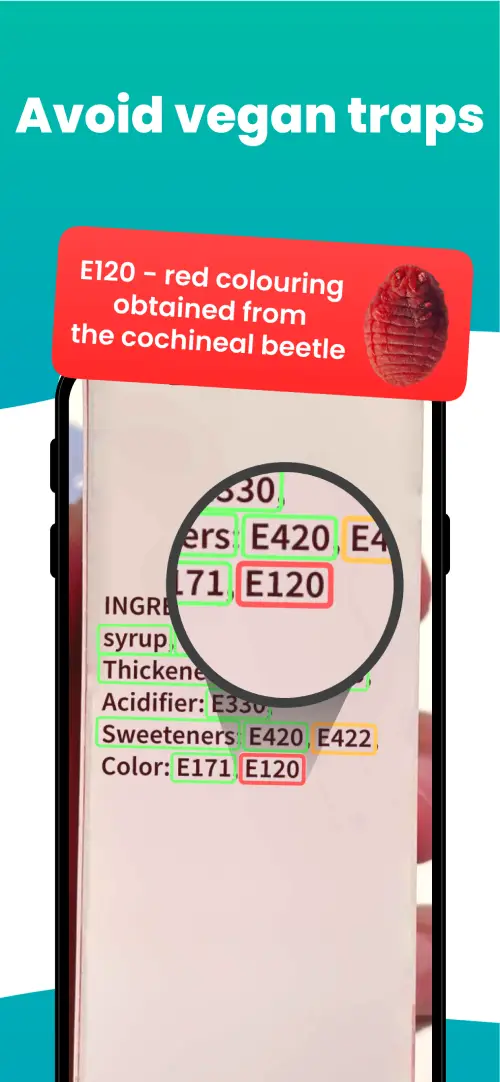
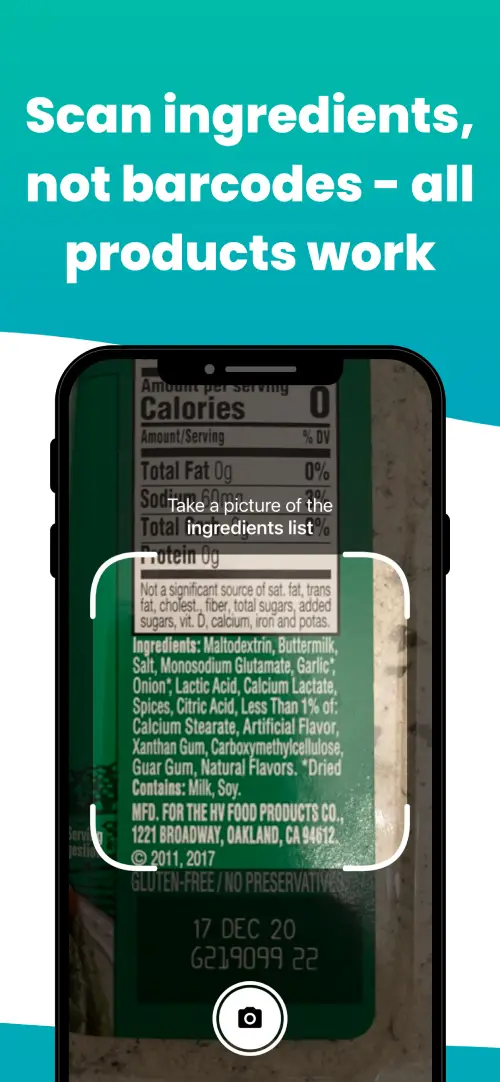
We've built a vegan ingredients scanner that classifies food ingredients as "vegan", "non-vegan", or "potentially vegan".
It allows you to avoid non-vegan ingredients - just take a picture of a product's ingredient list, and the app tells you if the product is vegan or not.



Check out other ingredients:
Is magnesium tallowate vegan?Is pearl essence vegan?Is guanine vegan?Is confectioner's glaze vegan?Is organic confectioner's glaze vegan?Is triacetin vegan?Is confectioners' glaze vegan?Is saccharum vegan?Is confectioners glaze vegan?Is confectionery glaze vegan?Is estrogen estradiol vegan?Is confectioners sugar vegan?
We'll never send you spam.