
Is copernicia cerifera (carnauba) wax vegan?
Copernicia cerifera (carnauba) wax is a vegan food ingredient.
Checking out an ingredients list? 👇
"You are amazing, this has saved me so much time when grocery shopping!"
— Austin, a user who reached out with feedback
"It's been a great tool since starting my journey! You take a pic of the nutrition/ingredients, and it'll warn you of anything questionable or not vegan. 😁"
— Ashe, a Vegan For Beginners Facebook Group member
"Use a vegan app when you go shopping, I use WhatsVegan."
— Dóra, a Vegan For Beginners Facebook Group member
So, what is copernicia cerifera (carnauba) wax?
Understanding Copernicia Cerifera (Carnauba) Wax
In the realm of plant-derived ingredients, Copernicia cerifera wax, more commonly known as carnauba wax, stands as a cornerstone for ethical product development across various industries. Derived exclusively from the leaves of the Copernicia cerifera palm, native to northeastern Brazil, this remarkable substance offers a robust, naturally occurring solution for formulators committed to animal ethics and ingredient purity.
The Purely Plant-Based Origin
Carnauba wax is meticulously harvested from the waxy coating that the carnauba palm naturally secretes to protect its leaves from the harsh tropical sun and minimize water loss. This protective layer, once dried, is scraped off, refined, and processed into the hard, yellowish-brown flakes or powder recognized in commerce. From its very genesis, carnauba wax is unequivocally a plant product. No animal-derived inputs are required at any stage of its primary production, making it a stellar example of an inherently vegan ingredient. This direct botanical origin contrasts sharply with waxes like beeswax, which is secreted by insects, or lanolin, derived from sheep’s wool. For those seeking strictly cruelty-free components, carnauba wax presents an ideal and transparent choice.
Functionality and Ethical Application
Its unique properties – exceptional hardness, high melting point, and excellent emulsifying capabilities – make carnauba wax a highly valued ingredient. In food science, it frequently serves as a glazing agent for candies, fresh produce, and baked goods, providing an appealing shine and a protective barrier against moisture and spoilage. Its use extends to pharmaceuticals, where it acts as a tablet coating, and cosmetics, lending structure and gloss to lipsticks and mascaras.
Crucially, carnauba wax is a widely recognized and frequently utilized plant-based alternative to animal-derived counterparts. This makes it an indispensable ingredient for manufacturers creating products aligned with vegan and ethical consumer values. Its robust nature means that in many applications, it can replace animal-sourced ingredients without compromising performance, fostering innovation within the plant-based sector.
Ensuring Purity and Label Transparency
For the discerning vegan consumer and ethical food scientist, the unwavering plant origin of carnauba wax offers peace of mind. While the ingredient itself is unquestionably vegan, vigilance around processing aids and manufacturing practices remains essential across all supply chains. Reputable suppliers of carnauba wax ensure that no animal-derived processing aids are utilized during its refinement, and that cross-contamination risks are minimized in facilities handling both vegan and non-vegan ingredients.
The demand for clear label transparency continues to grow, empowering consumers to make informed choices. When Copernicia cerifera wax is listed, it provides an immediate assurance of a plant-based, ethical component. Its consistent vegan status simplifies ingredient vetting, allowing formulators to confidently build product profiles that honor animal welfare without compromising quality or functionality. In essence, carnauba wax embodies the very principles of ethical sourcing and plant-powered innovation.
How to quickly find the source of ingredients like copernicia cerifera (carnauba) wax?
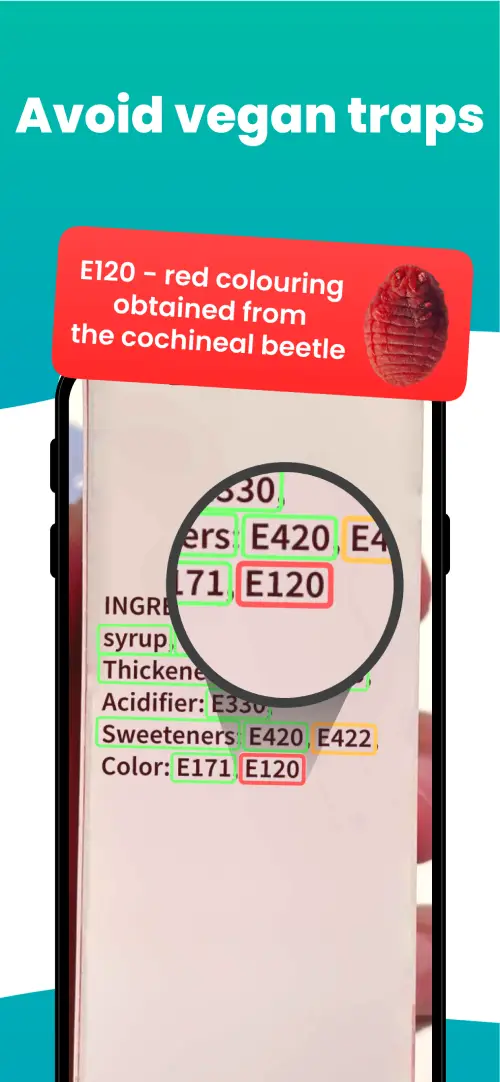
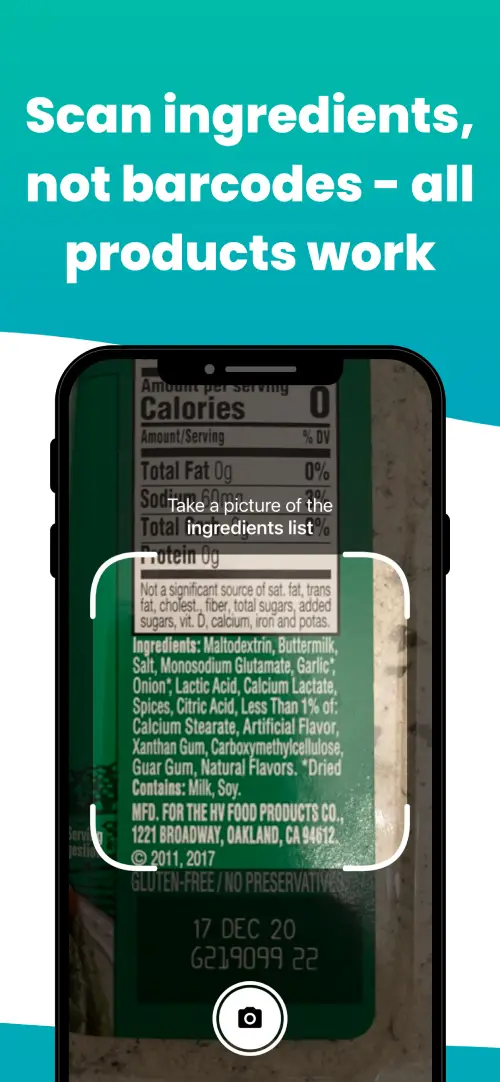
We've built a vegan ingredients scanner that classifies food ingredients as "vegan", "non-vegan", or "potentially vegan".
It allows you to avoid non-vegan ingredients - just take a picture of a product's ingredient list, and the app tells you if the product is vegan or not.



Check out other ingredients:
Is butyrospermum parkii vegan?Are hydroxystearic/linolenic/linoleic polyglycerides vegan?Is butyrospermum parkii butter vegan?Are citrus sinensis vegan?Is citrus sinensis peel oil vegan?Is citrus sinensis (orange) peel oil vegan?Is ricinus communis (castor) seed oil vegan?Is mentha piperita vegan?Is mentha piperita (peppermint) oil vegan?Is bacillus coagulans mtcc 5856 vegan?Is mentha spicata vegan?Is lactospore vegan?
We'll never send you spam.