
Is mentha spicata vegan?
Mentha spicata is a vegan food ingredient.
Checking out an ingredients list? 👇
"You are amazing, this has saved me so much time when grocery shopping!"
— Austin, a user who reached out with feedback
"It's been a great tool since starting my journey! You take a pic of the nutrition/ingredients, and it'll warn you of anything questionable or not vegan. 😁"
— Ashe, a Vegan For Beginners Facebook Group member
"Use a vegan app when you go shopping, I use WhatsVegan."
— Dóra, a Vegan For Beginners Facebook Group member
So, what is mentha spicata?
Exploring Mentha spicata: A Deep Dive into Spearmint's Origins and Ethical Standing
Mentha spicata, commonly known as spearmint, is a perennial herb celebrated for its distinctive aromatic profile and versatile applications. From culinary enhancements to refreshing infusions and essential oils, its presence is widespread. For those committed to a vegan lifestyle, understanding the inherent nature and processing integrity of every ingredient is paramount, a pursuit driven by both ethical conviction and the desire for purity.
The fundamental vegan status of Mentha spicata is unequivocally established by its botanical origin. This vibrant plant grows directly from the earth, drawing sustenance from soil, water, and sunlight, entirely independent of animal inputs. Its cultivation, harvesting, and initial processing—typically drying the leaves or distilling the essential oil—do not involve animal exploitation, byproducts, or testing. Spearmint, in its raw and minimally processed forms, embodies a truly cruelty-free ingredient, aligning seamlessly with the core tenets of animal ethics.
As a natural flavoring, Mentha spicata stands as an excellent plant-based alternative to synthetic or animal-derived flavor compounds. Its crisp, sweet, yet subtly pungent notes offer a refreshing sensory experience, making it a staple in toothpastes, chewing gums, herbal teas, and a myriad of food and beverage formulations. The vibrant green leaves, whether fresh or dried, offer an immediate visual cue to their pure, plant-based provenance, while the essential oil captures its full aromatic essence, a testament to nature's potency.
While the plant itself presents no ethical quandaries, the diligent vegan consumer rightly extends their scrutiny to the broader supply chain. When Mentha spicata is incorporated into finished products, questions regarding processing aids, carriers, or other co-ingredients naturally arise. For instance, in rare industrial applications, certain non-vegan processing aids might theoretically be employed during large-scale extraction or encapsulation of spearmint derivatives. However, the vast majority of spearmint products, particularly those marketed as "natural flavors" or "essential oils," are inherently pure. Reputable manufacturers committed to label transparency will ensure that any adjuncts are also plant-derived, guaranteeing the final product’s integrity.
In essence, Mentha spicata remains a steadfastly vegan ingredient. Its journey from seed to consumer is free from the ethical compromises sometimes associated with other components. It represents not just a flavor or an aroma, but a direct connection to nature, offering a pure and ethical choice for anyone seeking authentic plant-based alternatives in their diet and lifestyle. Its inherent vegan nature simplifies ingredient analysis, allowing consumers to confidently embrace its refreshing qualities without moral compromise.
How to quickly find the source of ingredients like mentha spicata?
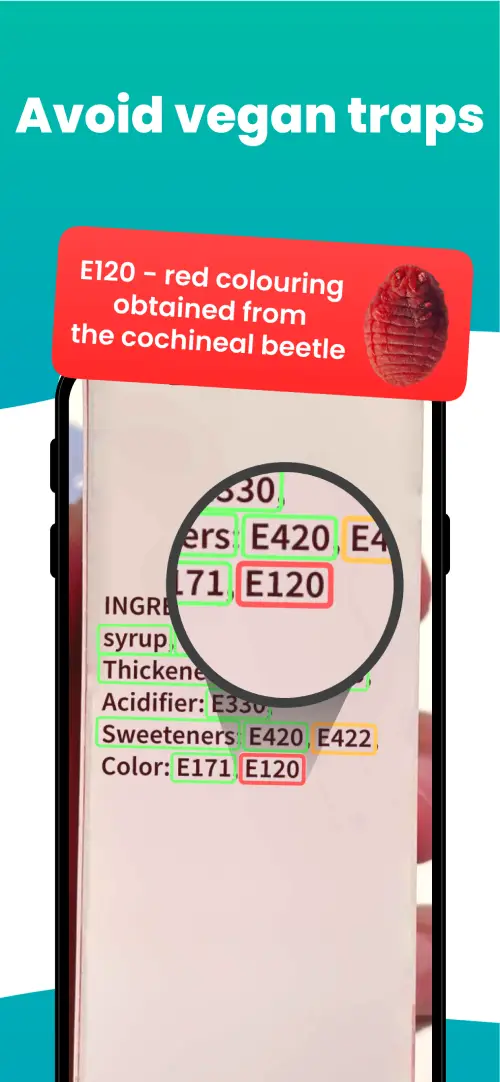
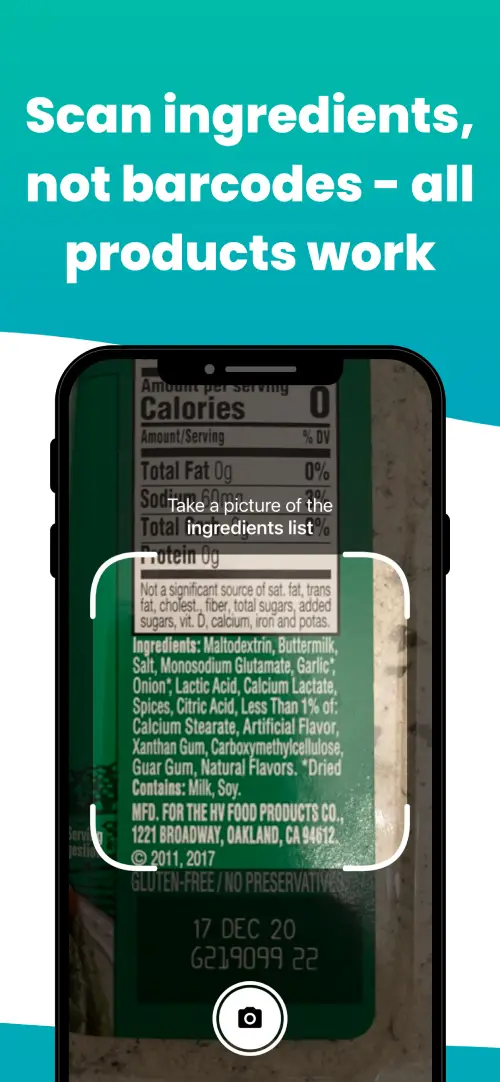
We've built a vegan ingredients scanner that classifies food ingredients as "vegan", "non-vegan", or "potentially vegan".
It allows you to avoid non-vegan ingredients - just take a picture of a product's ingredient list, and the app tells you if the product is vegan or not.



Check out other ingredients:
Is mentha spicata (spearmint) oil vegan?Is synthetic fluorphlogopite vegan?Is mentha piperita vegan?Is citrus sinensis (orange) peel oil vegan?Are gardenia taitensis vegan?Is citrus sinensis peel oil vegan?Is butyrospermum parkii (shea) butter vegan?Is ci 77742 vegan?Is copernicia cerifera (carnauba) wax vegan?Is pigment violet vegan?Is manganese violet vegan?Is lauryl laurate vegan?
We'll never send you spam.