
Is cranberry protein vegan?
Cranberry protein is a vegan food ingredient.
Checking out an ingredients list? 👇
"You are amazing, this has saved me so much time when grocery shopping!"
— Austin, a user who reached out with feedback
"It's been a great tool since starting my journey! You take a pic of the nutrition/ingredients, and it'll warn you of anything questionable or not vegan. 😁"
— Ashe, a Vegan For Beginners Facebook Group member
"Use a vegan app when you go shopping, I use WhatsVegan."
— Dóra, a Vegan For Beginners Facebook Group member
So, what is cranberry protein?
Cranberry Protein: A Purely Plant-Derived Advancement
In the expanding landscape of plant-based nutrition, discerning consumers and formulators are constantly seeking novel ingredients that align with both health goals and ethical convictions. Cranberry protein stands out as a particularly compelling option, extracted directly from the robust red berries known for their vibrant tartness and nutritional density. This emerging protein source offers a unique profile, making it a valuable addition to vegan diets and product formulations.
From Berry to Bioavailable Protein: The Extraction Process
Cranberry protein is derived as a byproduct of cranberry juice production, an elegant example of sustainable food innovation. After the berries are pressed for their juice, the remaining pomace—comprising skins, seeds, and pulp—is typically dried and milled. Through a gentle process, often involving aqueous extraction or mechanical separation, the protein is isolated and concentrated. The resulting powder is fine, typically pale pink to light beige, and possesses a subtle, characteristic aroma. Crucially, at every stage of its isolation from the Vaccinium macrocarpon fruit, no animal-derived inputs or processes are employed. This direct lineage from plant to powder inherently positions cranberry protein as a truly vegan ingredient.
Upholding Vegan Purity: Ensuring Ethical Sourcing and Processing
For an ingredient to genuinely earn its "Vegan" status, the scrutiny extends beyond its primary source to encompass the entire production chain. Cranberry protein unequivocally meets this stringent standard. Its origin is purely botanical, meaning it is not secreted by any animal, nor is it a byproduct of animal farming. There are no "gray area" concerns such as bone char processing, as might be found in some sugar refining, nor any risk of insect-derived contaminants or animal-based clarification agents.
Producers committed to ethical sourcing ensure that no animal-derived processing aids—like gelatin for filtration, or caseinates for emulsification—are introduced at any point. This commitment to label transparency is paramount for consumers who prioritize a cruelty-free lifestyle. When sourced from reputable suppliers, cranberry protein is a testament to uncompromised purity, offering peace of mind to those adhering to strict animal ethics. It stands as a prime example of a plant-based alternative that requires no ethical concessions.
Nutritional Merit and Functional Versatility in Plant-Based Applications
Beyond its impeccable vegan credentials, cranberry protein offers a notable nutritional profile. While not typically a complete protein on its own, it provides a valuable array of essential amino acids, complementing other plant proteins. It is often rich in dietary fiber, contributing to digestive health, and naturally contains beneficial antioxidants characteristic of cranberries.
Its functional properties make it a versatile ingredient in various plant-based applications. It can enhance the protein content and texture of vegan meat alternatives, snack bars, baked goods, and functional beverages. Its subtle flavor profile is generally easy to mask or blend, allowing formulators to integrate it without overpowering other desired tastes. As a novel protein source, it helps diversify the market beyond more common options like soy, pea, or rice proteins, catering to allergen sensitivities or simply offering more choices for plant-based alternatives.
The Conscientious Choice: Why Cranberry Protein Matters for Vegans
Cranberry protein represents more than just a nutritional component; it embodies the very essence of conscious consumption. Its inherently plant-based origin, coupled with rigorous, cruelty-free manufacturing practices, positions it as an exemplary ingredient for vegan diets. For individuals and brands dedicated to animal ethics and seeking pure, transparent ingredients, cranberry protein offers an innovative, sustainable, and ethically sound choice. It's a clear signal that the future of protein is diverse, functional, and rooted firmly in plant-based integrity.
How to quickly find the source of ingredients like cranberry protein?
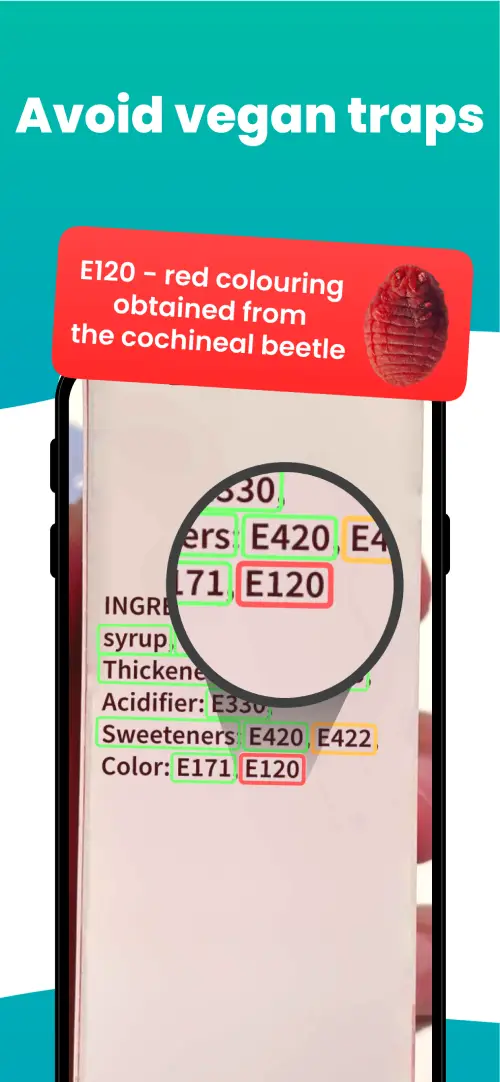
We've built a vegan ingredients scanner that classifies food ingredients as "vegan", "non-vegan", or "potentially vegan".
It allows you to avoid non-vegan ingredients - just take a picture of a product's ingredient list, and the app tells you if the product is vegan or not.




Check out other ingredients:
Is plant protein vegan?Is extra fancy durum wheat flour enriched vegan?Is plant protein complex vegan?Is tumeric vegan?Is interesterified soybean oil vegan?Are sulphites vegan?Is enriched unbleached unbromated wheat flour vegan?Are red ripe tomatoes vegan?Are precooked beans vegan?Are prepared beans vegan?Is theobroma cacao (cocoa) seed butter vegan?Are acacia decurrens vegan?
We'll never send you spam.