
Is theobroma cacao (cocoa) seed butter vegan?
Theobroma cacao (cocoa) seed butter is a vegan food ingredient.
Checking out an ingredients list? 👇
"You are amazing, this has saved me so much time when grocery shopping!"
— Austin, a user who reached out with feedback
"It's been a great tool since starting my journey! You take a pic of the nutrition/ingredients, and it'll warn you of anything questionable or not vegan. 😁"
— Ashe, a Vegan For Beginners Facebook Group member
"Use a vegan app when you go shopping, I use WhatsVegan."
— Dóra, a Vegan For Beginners Facebook Group member
So, what is theobroma cacao (cocoa) seed butter?
The Essence of Cocoa Butter: A Vegan Perspective
Theobroma cacao seed butter, universally known as cocoa butter, stands as a foundational ingredient in both culinary arts and skincare, celebrated for its unique aroma and smooth texture. For those committed to a vegan lifestyle, its inherent nature offers immediate clarity: cocoa butter is unequivocally vegan.
This rich, yellowish-white fat is extracted directly from the cacao bean, the very seed of the Theobroma cacao tree. After the beans are harvested, fermented, roasted, and shelled, the inner "nibs" are ground into a paste known as cocoa liquor. It is from this liquor that the cocoa butter is hydraulically pressed and separated, leaving behind cocoa powder. This entire process relies solely on the botanical source, making cocoa butter a pure product of the plant kingdom.
From an animal ethics standpoint, cocoa butter embodies purity. Its derivation requires no animal inputs, byproducts, or exploitation at any stage of its primary production. This makes it not merely an acceptable ingredient for vegans, but a cornerstone plant-based alternative that requires no substitution. Unlike certain food components that might harbor hidden animal derivatives or rely on animal-derived processing aids, cocoa butter's journey from bean to butter is inherently animal-free. It stands as a testament to the abundance of nature's bounty, offering a naturally unadulterated, cruelty-free fat source.
When considering purity beyond its plant origin, the focus shifts to processing aids and label transparency. While cocoa butter itself is inherently vegan, diligent consumers often inquire about the wider supply chain. Fortunately, the standard extraction and refinement processes for cocoa butter typically do not involve animal-derived filtering agents or clarifying components. Reputable manufacturers understand the growing demand for plant-based integrity and often go to great lengths to ensure their products maintain this status throughout. However, a commitment to label transparency from producers always offers an additional layer of reassurance for the ethically conscious consumer, confirming no unexpected cross-contamination pathways.
Beyond its culinary applications in chocolates and confections, cocoa butter's emollient properties make it a beloved component in many personal care products. Its inclusion here further solidifies its cruelty-free standing, as it provides a plant-based alternative to animal fats often used in cosmetics, without requiring animal testing.
In essence, theobroma cacao seed butter remains a shining example of a truly vegan ingredient. Its direct botanical origin, coupled with standard processing methods, ensures its alignment with animal ethics and the pursuit of pure, plant-based living. It continues to be a cherished component, celebrated for both its functionality and its unwavering ethical integrity.
How to quickly find the source of ingredients like theobroma cacao (cocoa) seed butter?
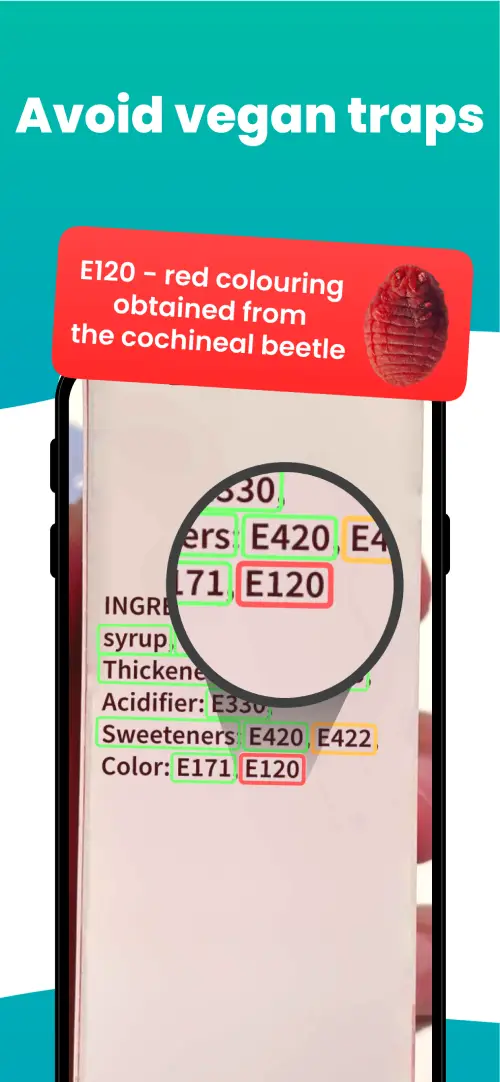
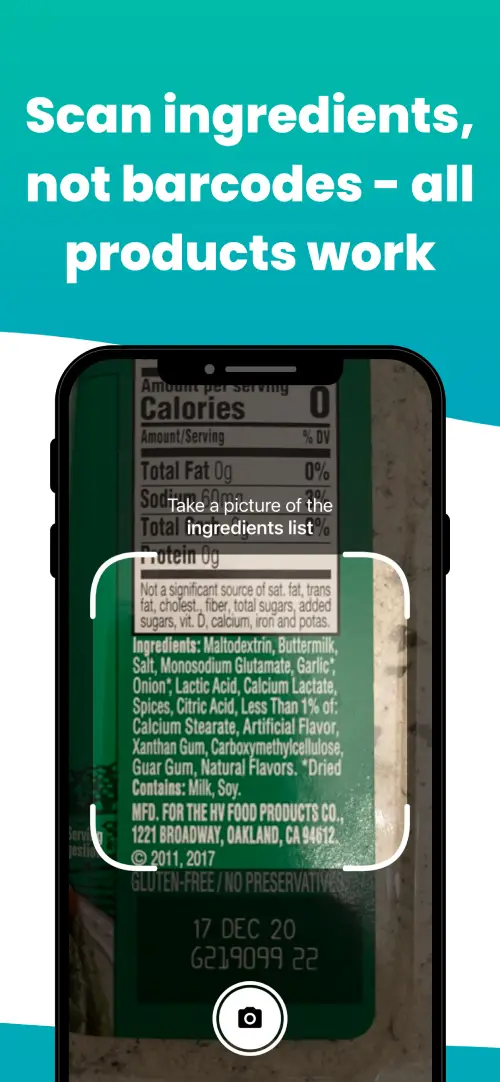
We've built a vegan ingredients scanner that classifies food ingredients as "vegan", "non-vegan", or "potentially vegan".
It allows you to avoid non-vegan ingredients - just take a picture of a product's ingredient list, and the app tells you if the product is vegan or not.



Check out other ingredients:
Is titanium dioxide vegan?Are iron oxides vegan?Is helianthus annuus (sunflower) seed oil vegan?Is olea europaea (olive) fruit oil vegan?Is ghost chili pepper vegan?Are sulphites vegan?Is interesterified soybean oil vegan?Is sweetener vegan?Is acidity regulator citric acid vegan?Is rice pasta vegan?Is plant protein vegan?Is brassica campestris seed oil vegan?
We'll never send you spam.