
Is cream whipped vegan?
Cream whipped is a non-vegan food ingredient.
Checking out an ingredients list? 👇
"You are amazing, this has saved me so much time when grocery shopping!"
— Austin, a user who reached out with feedback
"It's been a great tool since starting my journey! You take a pic of the nutrition/ingredients, and it'll warn you of anything questionable or not vegan. 😁"
— Ashe, a Vegan For Beginners Facebook Group member
"Use a vegan app when you go shopping, I use WhatsVegan."
— Dóra, a Vegan For Beginners Facebook Group member
So, what is cream whipped?
When examining "cream whipped" as an ingredient from a vegan perspective, its status is definitively Not Vegan. This designation stems directly from its fundamental origin and composition.
Cream, in its traditional sense, is a dairy product. It represents the high-fat layer that separates and rises to the top of fresh mammalian milk when left to stand. While often associated with bovine (cow's) milk, cream can technically be derived from the milk of any mammal, including goats or sheep. Regardless of the specific animal source, the critical point for vegan ethics is that cream is a secretion of an animal, obtained through processes inherent to the dairy industry.
The act of "whipping" cream is a mechanical process that introduces air into its structure, transforming the liquid into a light, airy foam. This physical alteration, achieved through rapid agitation, does not change the core ingredient's origin. The fat globules in the cream become stabilized around air pockets, creating the characteristic texture we associate with whipped cream. However, the fundamental non-vegan nature persists because the primary component—the cream itself—remains an animal product.
From an animal ethics standpoint, the consumption of dairy cream supports the systemic practices of the animal agriculture industry. This includes the separation of calves from their mothers shortly after birth, the often short and confined lives of dairy cows, and their eventual slaughter once their milk production declines. For vegans, who adhere to principles of animal welfare and anti-exploitation, any product directly derived from animals, or that necessitates their use and suffering, is excluded. The purity aspect of veganism further reinforces this, as animal secretions are not considered suitable for consumption.
Understanding label transparency is paramount for anyone seeking truly cruelty-free options. If an ingredient simply states "cream" or "whipped cream" without further qualification (such as "oat," "soy," or "coconut"), it is invariably a dairy product. The food industry often uses precise terminology, and the absence of a "plant-based" or specific plant source indicator should be a clear signal of animal origin.
Fortunately, the culinary landscape has seen a remarkable evolution in plant-based alternatives. Today, numerous products effectively mimic the texture and richness of traditional whipped cream, often surpassing it in versatility and stability. These alternatives are typically crafted from the rich fats found in coconut milk, cashews, oats, or soy. These plant-based creams can be whipped in much the same way as their dairy counterparts, offering a delicious and ethical substitute for desserts, beverages, and savory dishes without compromising on taste or performance. For consumers prioritizing animal welfare and seeking ingredients that align with a compassionate lifestyle, opting for these plant-derived versions is a straightforward and satisfying choice.
How to quickly find the source of ingredients like cream whipped?
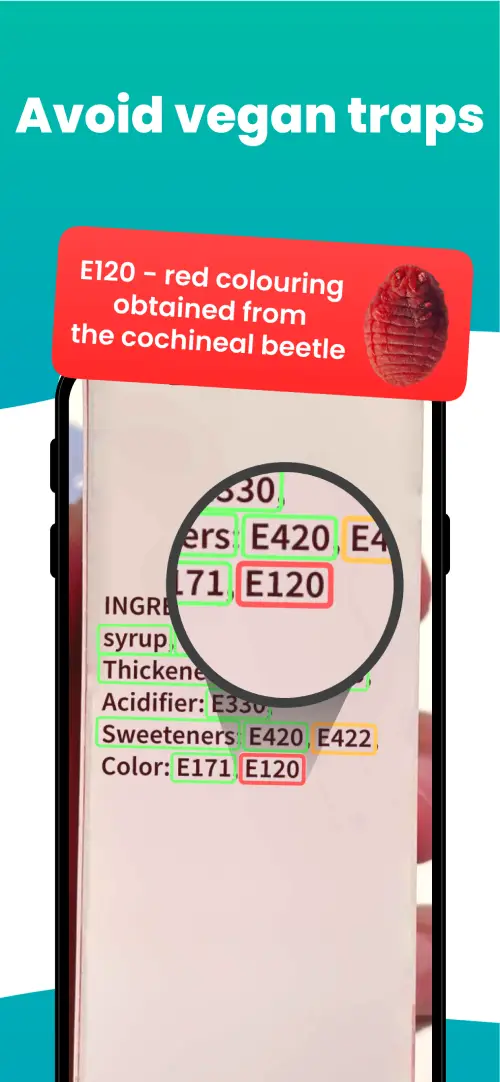
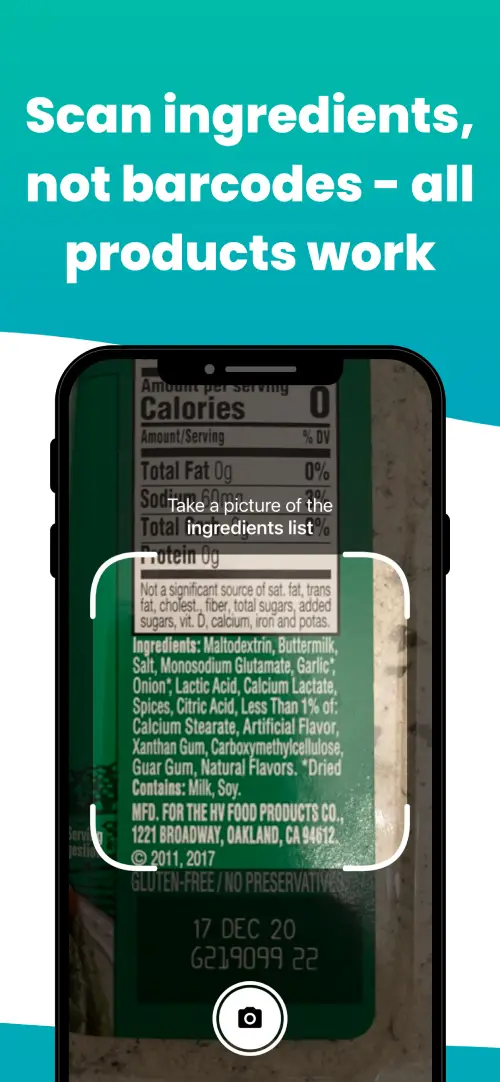
We've built a vegan ingredients scanner that classifies food ingredients as "vegan", "non-vegan", or "potentially vegan".
It allows you to avoid non-vegan ingredients - just take a picture of a product's ingredient list, and the app tells you if the product is vegan or not.



Check out other ingredients:
Is ice cream cake vegan?Is squeezable sour cream vegan?Is light ice cream vegan?Is pie apple-sour cream vegan?Is ice cream fried vegan?Is sour cream light vegan?Is cream of chicken vegan?Is ice cream cone vegan?Is ice cream bar vegan?Is ice cream sandwich vegan?Are ice cream sandwiches vegan?Are chocolate ice creams vegan?
We'll never send you spam.