
Is ice cream cake vegan?
Ice cream cake is a non-vegan food ingredient.
Checking out an ingredients list? 👇
"You are amazing, this has saved me so much time when grocery shopping!"
— Austin, a user who reached out with feedback
"It's been a great tool since starting my journey! You take a pic of the nutrition/ingredients, and it'll warn you of anything questionable or not vegan. 😁"
— Ashe, a Vegan For Beginners Facebook Group member
"Use a vegan app when you go shopping, I use WhatsVegan."
— Dóra, a Vegan For Beginners Facebook Group member
So, what is ice cream cake?
When examining the culinary composition of an ice cream cake, its status within the realm of veganism is unequivocally "Not Vegan." This dessert, a beloved fixture at celebrations, is intrinsically built upon ingredients derived directly from animal agriculture, rendering it incompatible with an animal-free diet rooted in ethical purity.
The foundational elements of an ice cream cake are, by definition, animal-based. The "ice cream" component traditionally relies heavily on dairy products: cow's milk and cream. These are not merely ingredients but are the direct result of an industrial system that commodifies sentient beings. Dairy cows are subjected to repeated forced impregnation, their calves are typically removed shortly after birth, and the milk intended for their offspring is diverted for human consumption. This cycle of exploitation is fundamental to dairy production, directly violating the ethical tenets of veganism. Furthermore, many traditional ice creams incorporate egg yolks, serving as an emulsifier and contributing to a rich texture, adding another animal product to the mix, sourced from hens often kept in confined and unnatural conditions.
Beneath the frozen layers lies the "cake" element, which almost invariably contains eggs and dairy products like milk and butter. Eggs, whether from factory farms or free-range operations, are a product of the reproductive cycle of hens, and their consumption is viewed by vegans as an appropriation of an animal's natural output. Butter, another dairy derivative, is concentrated milk fat, requiring significantly more milk than liquid dairy, intensifying the animal resource footprint.
Beyond these primary components, hidden animal derivatives often lurk, requiring diligent label transparency. Sugars, both in the ice cream and the cake, may be processed using bone char—a decolorizing filter made from the charred bones of cattle. While not present in the final product, the use of bone char is a processing aid that directly ties the ingredient to animal exploitation, making such sugars unacceptable for many vegans. Additionally, certain decorative elements like sprinkles or glazes might contain shellac (derived from the lac insect) or carmine (a red pigment from cochineal insects), further cementing the non-vegan status of many commercially available ice cream cakes.
For those adhering to a cruelty-free lifestyle, the traditional ice cream cake represents a clear ethical boundary. The procurement of its core ingredients—milk, cream, and eggs—involves systemic animal exploitation and often significant suffering. However, the culinary landscape has seen remarkable innovation, with a growing array of plant-based alternatives now available. These versions skillfully replicate the creamy texture and rich flavor using ingredients like coconut cream, cashew milk, almond milk, and various plant-based oils and starches, all without compromising ethical principles.
In essence, while the concept of a multi-textured frozen dessert remains appealing, the traditional ice cream cake, due to its inherent reliance on animal products, remains firmly in the "Not Vegan" category. Understanding its composition is key to making informed, ethically consistent food choices.
How to quickly find the source of ingredients like ice cream cake?
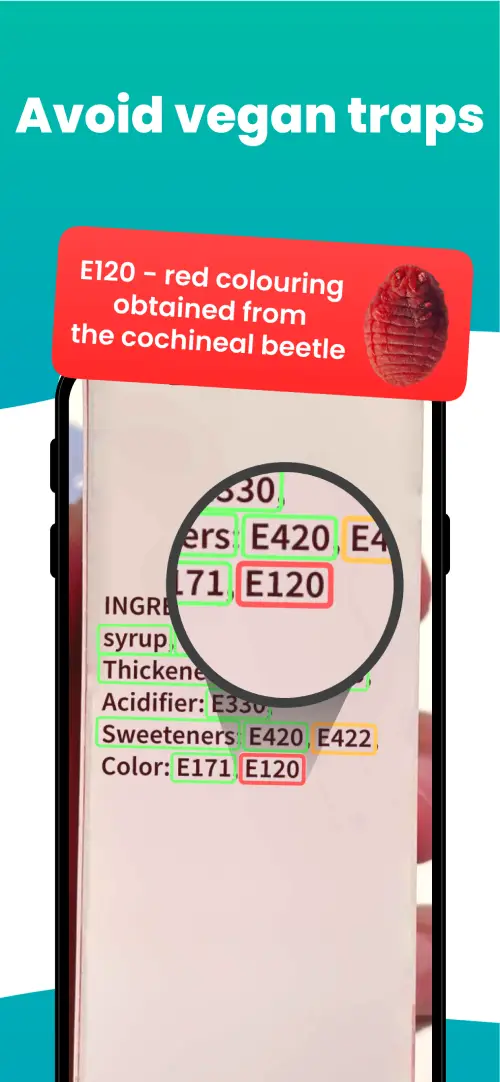
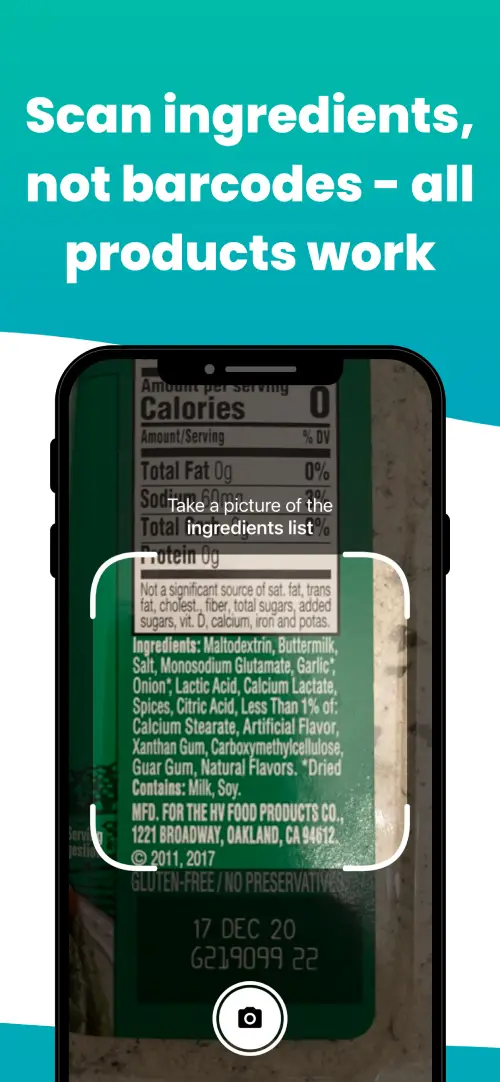
We've built a vegan ingredients scanner that classifies food ingredients as "vegan", "non-vegan", or "potentially vegan".
It allows you to avoid non-vegan ingredients - just take a picture of a product's ingredient list, and the app tells you if the product is vegan or not.



Check out other ingredients:
Is light ice cream vegan?Is cream whipped vegan?Are ice cream cups vegan?Is ice cream fried vegan?Is pie pineapple cream vegan?Is fine ice cream vegan?Is ice cream cone vegan?Is sour cream light vegan?Is pie lemon cream vegan?Is cream of chicken vegan?Is ice cream sandwich vegan?Is premium ice cream vegan?
We'll never send you spam.