
Is diced coconut vegan?
Diced coconut is a vegan food ingredient.
Checking out an ingredients list? 👇
"You are amazing, this has saved me so much time when grocery shopping!"
— Austin, a user who reached out with feedback
"It's been a great tool since starting my journey! You take a pic of the nutrition/ingredients, and it'll warn you of anything questionable or not vegan. 😁"
— Ashe, a Vegan For Beginners Facebook Group member
"Use a vegan app when you go shopping, I use WhatsVegan."
— Dóra, a Vegan For Beginners Facebook Group member
So, what is diced coconut?
Diced Coconut: A Foundational Plant-Based Ingredient
Diced coconut, with its inviting texture and subtly sweet flavor, stands as a versatile and celebrated ingredient across countless culinary traditions. For those committed to plant-based living, its presence on an ingredient list offers not just flavor and nutritional value, but also the assurance of ethical sourcing, firmly rooted in its natural origin.
Vegan Status Explained
At its core, diced coconut is inherently vegan. This isn't a status achieved through modification or careful selection of processing methods, but rather a direct consequence of its botanical identity. Derived exclusively from the fruit of the Cocos nucifera palm, diced coconut represents pure plant matter. There is no involvement of animal products, byproducts, or exploitation in the fundamental growth, harvesting, or dicing of the coconut meat itself. This straightforward origin means it is intrinsically cruelty-free, a crucial determinant for anyone adhering to animal ethics. It serves as a ubiquitous and uncompromised plant-based alternative to ingredients that might otherwise introduce animal-derived fats or textures, finding its way into everything from dairy-free desserts to savory curries and nourishing main dishes.
Processing and Purity
The journey from coconut palm to neatly diced pieces typically involves minimal intervention that would compromise its vegan integrity. Coconuts are harvested, husked, opened, and the inner white meat is extracted. This meat is then washed, often peeled (depending on the desired aesthetic), and precisely diced. Crucially, in this standard processing chain for raw or simply dried diced coconut, there are no animal-derived processing aids or additives commonly employed. Unlike certain refined sugars that may use bone char for decolorization, or some fruit juices clarified with gelatin or isinglass, the physical process of dicing coconut requires no such non-vegan agents.
However, a robust commitment to label transparency remains vital for consumers. While basic diced coconut is unequivocally pure, it’s always prudent to scrutinize ingredient lists for more complex coconut products like flavored snacks, ready-made meals, or highly processed treats. These might contain additional components such as non-vegan sweeteners, glazes, or coatings. Yet, for unadulterated diced coconut – whether fresh, frozen, or simply dehydrated – its purity is rarely a point of contention for ethical vegans.
Texture, Flavor, and Culinary Contribution
Descriptively, diced coconut offers a unique textural experience. When fresh, it presents as firm yet yielding, with a juicy, slightly fibrous bite and a clean, tropical sweetness. Dried varieties provide a more concentrated flavor and a chewier, more substantial mouthfeel, perfect for adding texture to granola, baked goods, or as a vibrant garnish. Its high content of healthy fats, particularly medium-chain triglycerides (MCTs), alongside dietary fiber and essential minerals, makes it a nutritionally valuable addition to any plant-based diet. It effortlessly enhances dishes, providing body, richness, and an unmistakable exotic note without relying on animal-derived ingredients.
Ethical Sourcing Considerations
While the ingredient itself is unquestionably vegan, a broader ethical lens often extends to its sourcing practices. Historically, and in rare localized instances, concerns have been raised about the use of trained monkeys for coconut harvesting in certain regions. Reputable, large-scale commercial suppliers of diced coconut for the global market, particularly those supplying to Western countries, almost universally employ human labor and mechanized processes, actively distancing themselves from such exploitative practices. For the conscientious vegan consumer, seeking products from transparent supply chains further reinforces the commitment to a truly cruelty-free purchase, ensuring the well-being of all beings involved in the food chain.
Diced coconut stands as an exemplary ingredient for the vegan community. Its unequivocal plant-based origin, coupled with a typically straightforward and ethical processing method, makes it a reliable and celebrated choice. From a scientific standpoint and through the ethical lens of animal welfare, diced coconut remains a pure, wholesome, and foundational component, allowing vegans to confidently incorporate its delightful qualities into their culinary creations.
How to quickly find the source of ingredients like diced coconut?
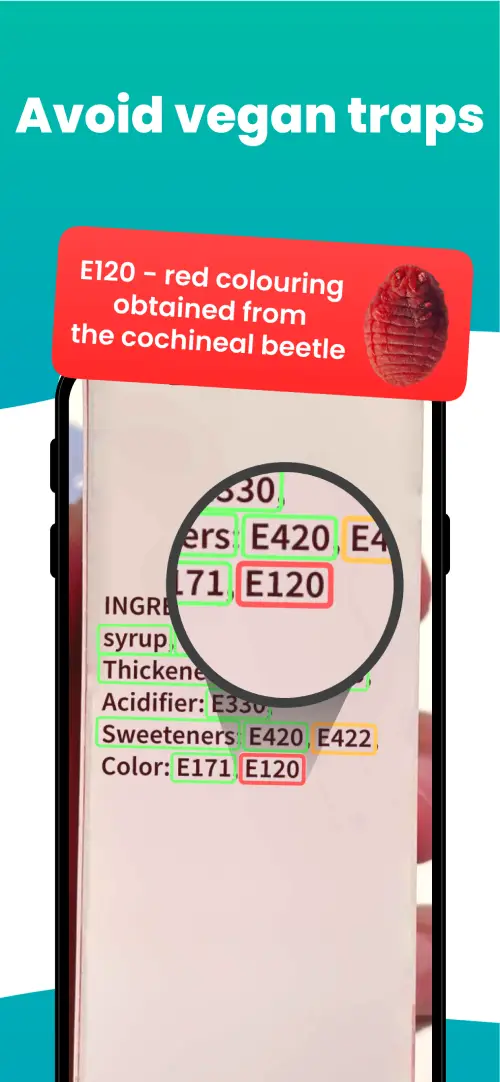
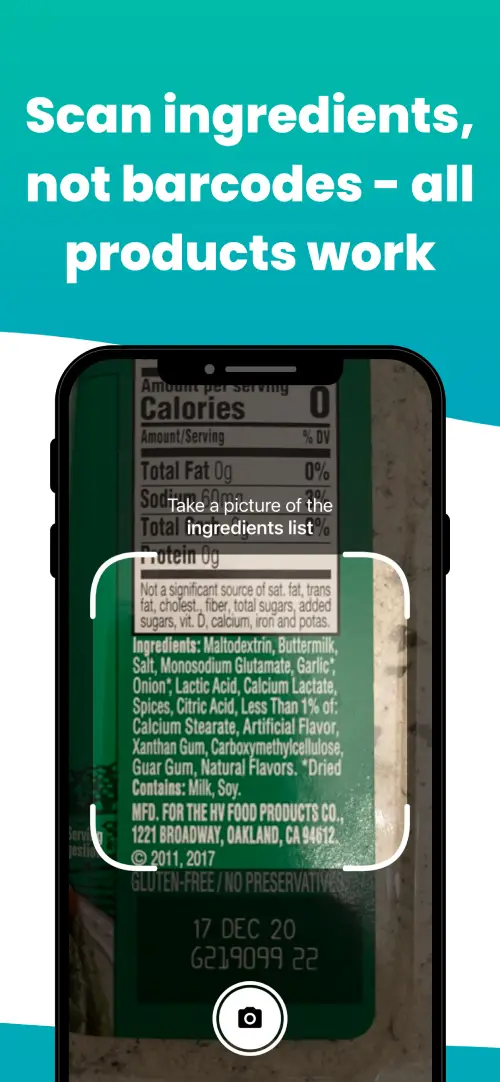
We've built a vegan ingredients scanner that classifies food ingredients as "vegan", "non-vegan", or "potentially vegan".
It allows you to avoid non-vegan ingredients - just take a picture of a product's ingredient list, and the app tells you if the product is vegan or not.



Check out other ingredients:
Are chrysanthemum leaves vegan?Is cooked zucchini vegan?Is cooked chrysanthemum vegan?Is baby zucchini vegan?Is hummus vegan?Is hummus flavored vegan?Is water/eau vegan?Is sweet pickle relish vegan?Is aqua/water/eau vegan?Is caramelised sugar syrup vegan?Is bread pumpernickel vegan?Is golden sweet corn vegan?
We'll never send you spam.