
Is cooked zucchini vegan?
Cooked zucchini is a vegan food ingredient.
Checking out an ingredients list? 👇
"You are amazing, this has saved me so much time when grocery shopping!"
— Austin, a user who reached out with feedback
"It's been a great tool since starting my journey! You take a pic of the nutrition/ingredients, and it'll warn you of anything questionable or not vegan. 😁"
— Ashe, a Vegan For Beginners Facebook Group member
"Use a vegan app when you go shopping, I use WhatsVegan."
— Dóra, a Vegan For Beginners Facebook Group member
So, what is cooked zucchini?
Cooked Zucchini: An Ingredient Deep Dive
Zucchini, a prolific summer squash, stands as a prime example of an ingredient intrinsically aligned with vegan principles. From a perspective rooted in animal ethics and the pursuit of dietary purity, cooked zucchini is not merely plant-based; it is entirely cruelty-free by its very nature.
The core reason for zucchini's unequivocal vegan status lies in its origin. It is a fruit, botanically speaking, of the Cucurbita pepo species, grown directly from the earth. Its cultivation involves no animal inputs in its fundamental growth cycle, nor does its harvesting cause harm or exploitation to any sentient being. This makes raw zucchini inherently vegan, a pristine, unadulterated plant source.
When we consider "cooked zucchini" as an ingredient, the primary concern shifts to the preparation method and any accompanying components. The zucchini itself remains vegan post-cooking. However, as a Vegan Food Scientist, it is crucial to emphasize that the integrity of its vegan status rests on the surrounding culinary environment. If cooked with animal fats, dairy butter, non-vegan broths, or sauces containing hidden animal derivatives (like certain flavor enhancers or processing aids), the final dish would, of course, no longer be vegan. This highlights the importance of a vigilant approach to label transparency for all supplementary ingredients, ensuring that items like oils, spices, and vegetable broths maintain the same ethical purity. For example, ensuring cooking oils are free from non-vegan emulsifiers or that broth bases don't secretly contain gelatin.
Texture-wise, cooked zucchini offers a wonderfully versatile profile. When gently sautéed or steamed, it retains a pleasant, slightly firm bite with a high water content that adds succulent moisture to dishes. Roasted or grilled, it develops a more tender, almost creamy interior with beautifully caramelized edges. This inherent textural quality, combined with its mild flavor that readily absorbs seasonings, makes it a foundational pillar of plant-based cuisine.
While zucchini isn't typically marketed as a "plant-based alternative" in the way, say, pea protein might be to meat, it profoundly contributes to dishes that serve as plant-based alternatives to animal-centric meals. Zucchini noodles substitute for traditional pasta, zucchini planks replace bread in sandwiches, and stuffed zucchini "boats" offer hearty, satisfying main courses without any animal products. Its presence enriches meals, providing bulk, nutrients, and a pleasing mouthfeel, naturally steering consumption away from ingredients that contribute to animal agriculture.
In essence, cooked zucchini embodies the spirit of veganism: it is a wholesome, ethically sound ingredient, requiring no compromises on animal welfare. Its inherent veganism, coupled with its culinary adaptability, ensures it remains a vital, trusted component for anyone committed to a pure, plant-based lifestyle, provided due diligence is paid to its preparation.
How to quickly find the source of ingredients like cooked zucchini?
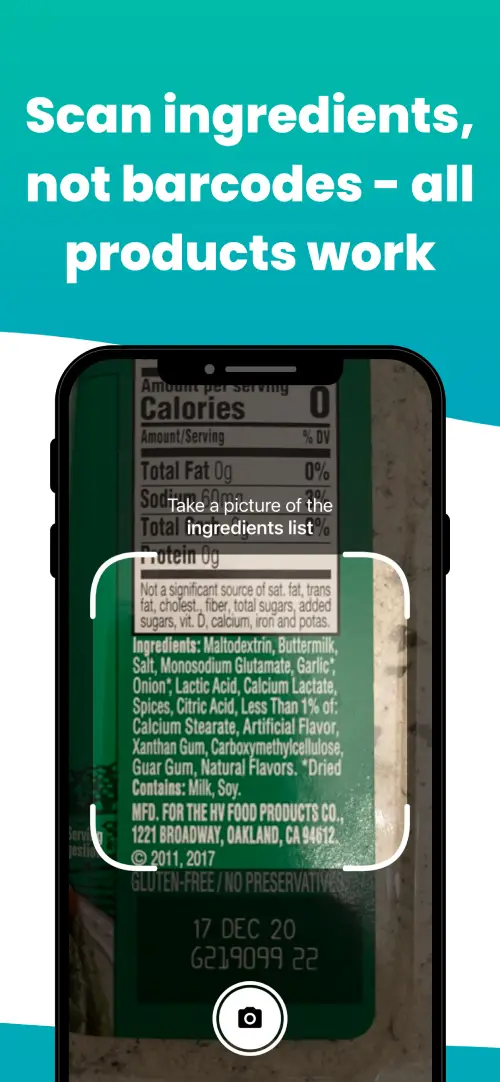
We've built a vegan ingredients scanner that classifies food ingredients as "vegan", "non-vegan", or "potentially vegan".
It allows you to avoid non-vegan ingredients - just take a picture of a product's ingredient list, and the app tells you if the product is vegan or not.



Check out other ingredients:
Is diced coconut vegan?Are chrysanthemum leaves vegan?Is mushrooms pickled vegan?Is firm tofu vegan?Is aqua/water/eau vegan?Is caramelized sugar syrup vegan?Is yellow 6 vegan?Is yellow sweet corn vegan?Is ci 15985 vegan?Is alpha-isomethyl ionone vegan?Is ‘ cacao vegan?Is cicely vegan?
We'll never send you spam.