Is e308 vegan?
E308 is potentially vegan - it can be derived from plants or animals. You should ask the manufacturer for more details.
Checking out an ingredients list? 👇
Vegan Ingredient Checker
Scan labels, check if ingredients are vegan
"You are amazing, this has saved me so much time when grocery shopping!"
— Austin, a user who reached out with feedback
"It's been a great tool since starting my journey! You take a pic of the nutrition/ingredients, and it'll warn you of anything questionable or not vegan. 😁"
— Ashe, a Vegan For Beginners Facebook Group member
"Use a vegan app when you go shopping, I use WhatsVegan."
— Dóra, a Vegan For Beginners Facebook Group member


Learn more
"You are amazing, this has saved me so much time when grocery shopping!"
— Austin, a user who reached out with feedback
"It's been a great tool since starting my journey! You take a pic of the nutrition/ingredients, and it'll warn you of anything questionable or not vegan. 😁"
— Ashe, a Vegan For Beginners Facebook Group member
"Use a vegan app when you go shopping, I use WhatsVegan."
— Dóra, a Vegan For Beginners Facebook Group member
So, what is e308?
E308 is the E-number for synthetic gamma-tocopherol, an antioxidant and form of vitamin E used to prevent fats and oils from spoiling. It is manufactured either through chemical synthesis or by refining oils. The primary natural sources are plant-based vegetable oils such as soybean, sunflower, and corn oil, but tocopherols can also be isolated from animal fats and tissues. E308 commonly appears in processed products containing fats, such as margarine, salad dressings, baked goods, and fried snack foods.
This additive is considered possibly vegan because commercial preparations can be derived from both plant and animal sources, and packaging labels rarely indicate the origin. Plant-based versions utilize vegetable oil distillates, whereas animal-based versions utilize animal fats or byproducts. The final chemical additive is identical regardless of its origin. To determine whether a product containing E308 is suitable for a vegan diet, shoppers must look for an official vegan certification on the label or contact the food manufacturer for clarification.
How to quickly find the source of ingredients like e308?
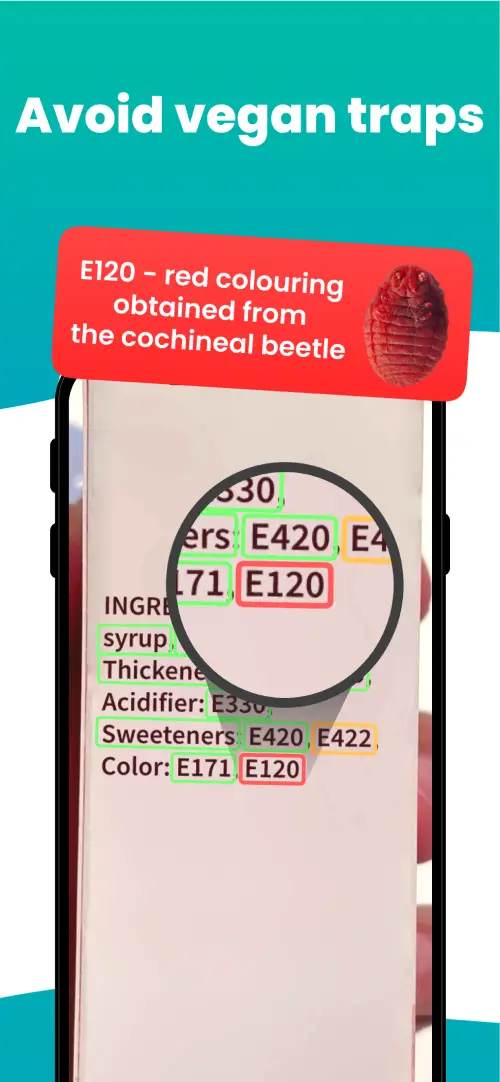
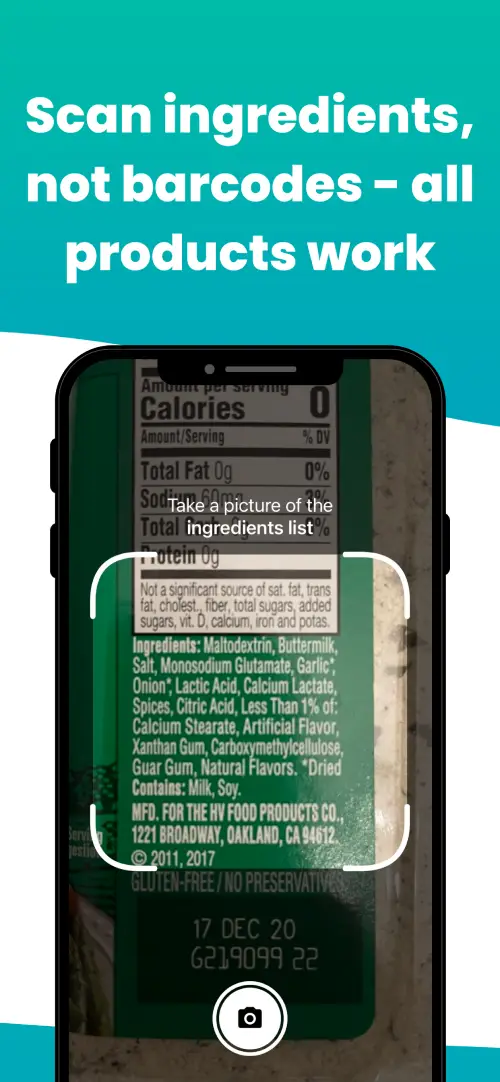
We've built a vegan ingredients scanner that classifies food ingredients as "vegan", "non-vegan", or "potentially vegan".
It allows you to avoid non-vegan ingredients - just take a picture of a product's ingredient list, and the app tells you if the product is vegan or not.

We'll never send you spam.