
Is aloe leaf juice vegan?
Aloe leaf juice is a vegan food ingredient.
Checking out an ingredients list? 👇
"You are amazing, this has saved me so much time when grocery shopping!"
— Austin, a user who reached out with feedback
"It's been a great tool since starting my journey! You take a pic of the nutrition/ingredients, and it'll warn you of anything questionable or not vegan. 😁"
— Ashe, a Vegan For Beginners Facebook Group member
"Use a vegan app when you go shopping, I use WhatsVegan."
— Dóra, a Vegan For Beginners Facebook Group member
So, what is aloe leaf juice?
Understanding Aloe Leaf Juice: A Core Plant-Derived Ingredient
Aloe leaf juice, derived from the succulent leaves of the Aloe barbadensis miller plant, stands as a fundamental and widely recognized ingredient across various industries, from food and beverages to cosmetics and health supplements. Its natural provenance and straightforward processing make it a clear choice for those adhering to a plant-based lifestyle, embodying the principles of animal ethics and purity.
The extraction process begins with the mature leaves of the aloe plant. These thick, fleshy leaves contain a clear, mucilaginous gel in their inner fillet. This gel is carefully harvested, separated from the bitter yellow latex (aloin) found just beneath the rind, and then processed. The gel is filtered, typically pasteurized, and stabilized to create the juice format commonly found in products. This transformation from a whole plant leaf into a versatile liquid ingredient is inherently free from animal involvement at its source.
From an ethical vegan perspective, aloe leaf juice is unequivocally vegan. Its origin is solely botanical; there are no animal-derived components, byproducts, or secretions inherent to the aloe plant itself. This makes it a celebrated ingredient within the plant-based community, valued not only for its perceived soothing and hydrating properties but also for its clean ethical footprint. It is a common and reliable component in many cruelty-free formulations, serving as a plant-based alternative to ingredients that might otherwise raise ethical questions.
However, a critical aspect for consumers prioritizing absolute purity and label transparency lies in the processing. While the aloe leaf itself is vegan, the journey from plant to finished product necessitates scrutiny of any processing aids or filtration methods employed. For instance, some industrial filtration systems might utilize bone char (though extremely rare for aloe), or certain stabilizers or preservatives could theoretically have non-vegan origins if not carefully selected. Reputable manufacturers committed to plant-based products will specifically ensure that all steps, from cultivation to bottling, maintain a strictly vegan chain. This extends to the adhesives used on labels or the ink on packaging—every touchpoint is considered by truly dedicated cruelty-free brands.
For the conscientious consumer, seeking products that explicitly state "vegan" or "100% plant-based" alongside aloe leaf juice as an ingredient provides the highest assurance. This commitment to label transparency signals that the manufacturer has gone the extra mile to verify the absence of any hidden animal-derived components throughout the supply chain. Aloe leaf juice, when sourced and processed with integrity, remains a sterling example of an ingredient that perfectly aligns with a compassionate and pure ethical framework. Its natural abundance and direct botanical origin solidify its position as a go-to for those seeking truly plant-derived options.
How to quickly find the source of ingredients like aloe leaf juice?
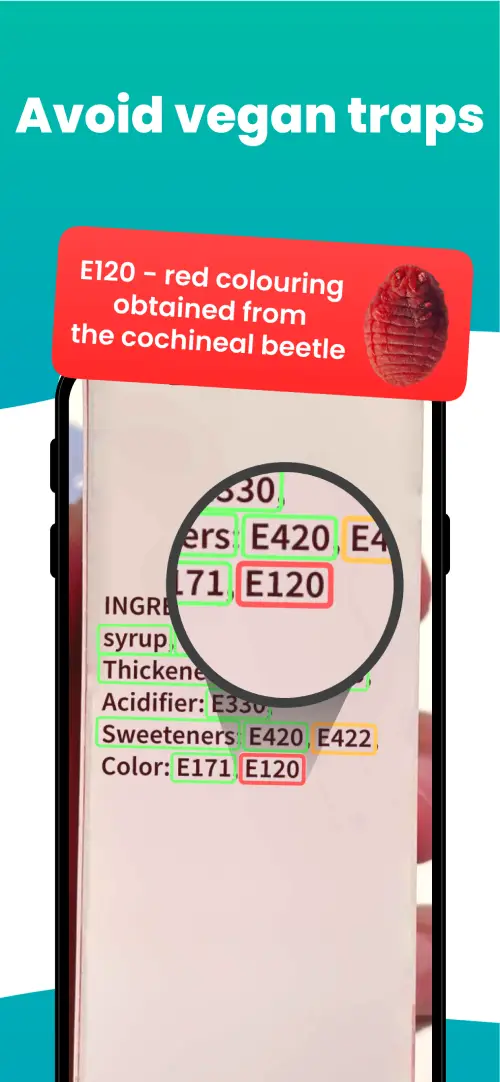
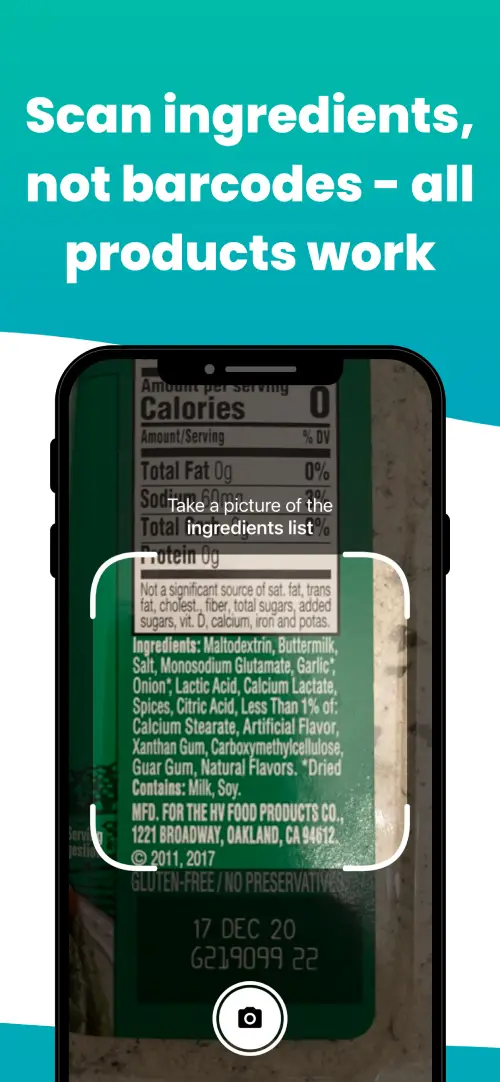
We've built a vegan ingredients scanner that classifies food ingredients as "vegan", "non-vegan", or "potentially vegan".
It allows you to avoid non-vegan ingredients - just take a picture of a product's ingredient list, and the app tells you if the product is vegan or not.



Check out other ingredients:
Is white willow bark vegan?Is aloe leaf vegan?Is litsea fruit vegan?Is cbd vegan?Is litsea cubeba vegan?Is cupric oxide vegan?Is sweet orange peel vegan?Is panthenyl ethyl ether vegan?Is polyquaternium-44 vegan?Is salicylic acid vegan?Is salicylic acid powder vegan?Is brown sugar refiner's syrup vegan?
We'll never send you spam.