
Is egg scrambled vegan?
Egg scrambled is a non-vegan food ingredient.
Checking out an ingredients list? 👇
"You are amazing, this has saved me so much time when grocery shopping!"
— Austin, a user who reached out with feedback
"It's been a great tool since starting my journey! You take a pic of the nutrition/ingredients, and it'll warn you of anything questionable or not vegan. 😁"
— Ashe, a Vegan For Beginners Facebook Group member
"Use a vegan app when you go shopping, I use WhatsVegan."
— Dóra, a Vegan For Beginners Facebook Group member
So, what is egg scrambled?
Understanding Scrambled Egg: An Ingredient Analysis
The preparation known as "scrambled egg" is a culinary staple across many cultures, celebrated for its versatility and texture. From a vegan perspective, however, its status is unequivocal. Scrambled egg, in its traditional form, is not vegan.
The reason for this classification is straightforward and rooted in the very definition of the ingredient. Scrambled egg is prepared from the ovum of a hen, specifically a chicken. These eggs are the reproductive output of the female chicken, and their production is inextricably linked to the animal agriculture industry. While an egg may seem like a singular, self-contained food item, its origin demands a deeper ethical consideration.
The modern egg industry, regardless of whether a farm is "cage-free," "free-range," or uses conventional battery cages, relies on the exploitation of female chickens. Hens are bred for maximum egg production, often leading to health complications and shortened lifespans. Furthermore, the industry necessitates the culling of male chicks, who are deemed unprofitable as they cannot lay eggs and are not the desired broiler breed for meat. This practice, often involving maceration or gassing shortly after hatching, is a direct consequence of egg production and starkly contradicts the principles of animal ethics and cruelty-free living. Consuming a scrambled egg, therefore, directly supports a system that involves the breeding, confinement, and killing of animals.
For those committed to a plant-based lifestyle, the ethical purity of their food choices is paramount. The very act of harvesting eggs, even from "happy" hens, represents a commodification of an animal's reproductive system and its life. It's a fundamental divergence from the vegan ethos, which seeks to avoid all forms of animal exploitation and cruelty, whether for food, clothing, or other purposes.
Thankfully, the culinary landscape has evolved dramatically, offering an abundance of delicious and ethical plant-based alternatives to traditional scrambled egg. Ingredients like pressed tofu, seasoned with kala namak (black salt) to impart an authentic sulfuric "eggy" flavor, or scrambled chickpea flour mixtures, deliver a remarkably similar texture and taste experience without any animal involvement. These plant-based options provide the same culinary satisfaction while upholding principles of compassion and sustainability.
When navigating food choices, understanding the true origin of ingredients is crucial for label transparency. While "scrambled egg" is self-explanatory, recognizing its non-vegan status reinforces the importance of scrutinizing all components in processed foods to ensure they align with a cruelty-free lifestyle. For a vegan, choosing plant-based alternatives isn't just about avoiding an animal product; it's about making a conscious decision that reflects a commitment to a world free from animal exploitation.
How to quickly find the source of ingredients like egg scrambled?
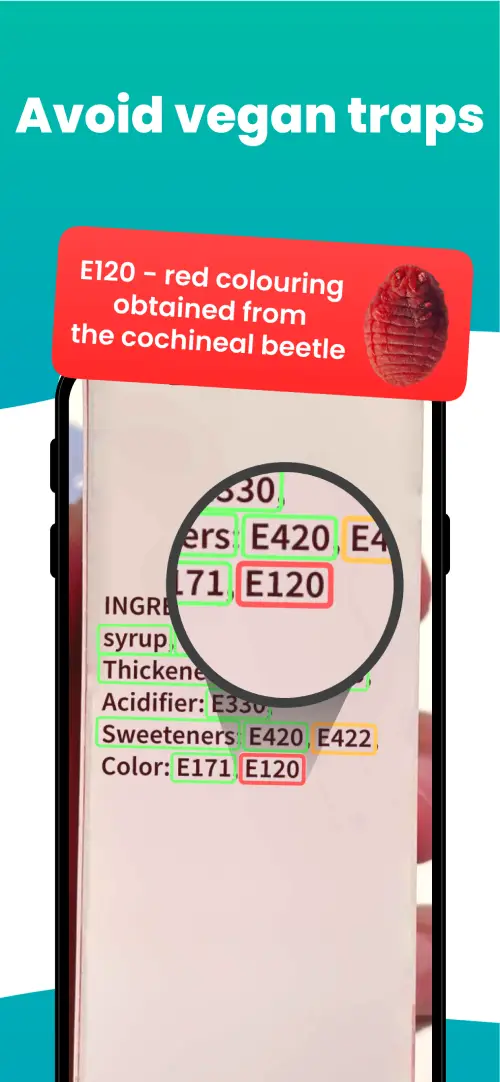
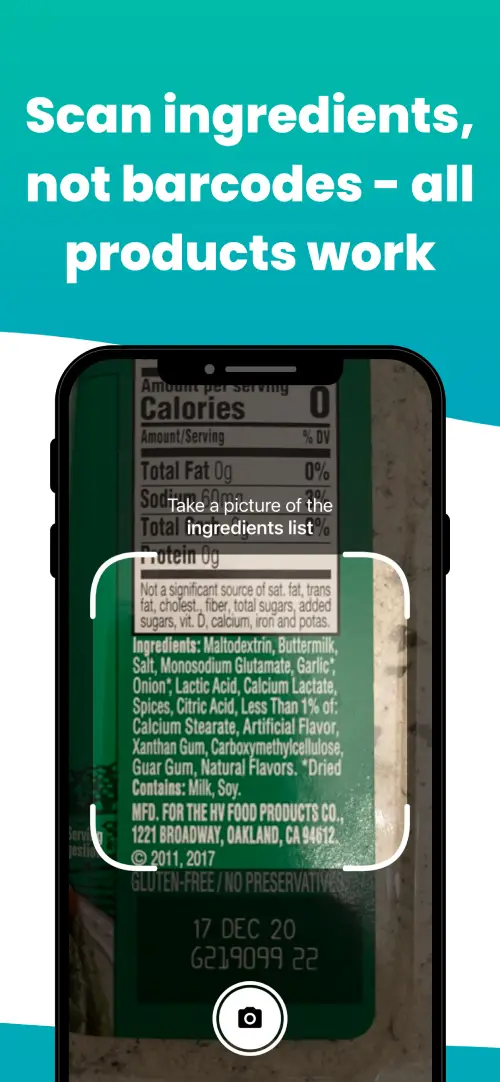
We've built a vegan ingredients scanner that classifies food ingredients as "vegan", "non-vegan", or "potentially vegan".
It allows you to avoid non-vegan ingredients - just take a picture of a product's ingredient list, and the app tells you if the product is vegan or not.



Check out other ingredients:
Is frozen egg yolk vegan?Is egg roll meatless vegan?Is kellogg's eggo vegan?Are egg fast foods vegan?Is dried egg vegan?Is egg custard vegan?Is egg benedict vegan?Is egg drop soup vegan?Are spinach egg noodles vegan?Is dried egg white vegan?Is cod liver oil vegan?Is egg fried rice vegan?
We'll never send you spam.