
Is egg benedict vegan?
Egg benedict is a non-vegan food ingredient.
Checking out an ingredients list? 👇
"You are amazing, this has saved me so much time when grocery shopping!"
— Austin, a user who reached out with feedback
"It's been a great tool since starting my journey! You take a pic of the nutrition/ingredients, and it'll warn you of anything questionable or not vegan. 😁"
— Ashe, a Vegan For Beginners Facebook Group member
"Use a vegan app when you go shopping, I use WhatsVegan."
— Dóra, a Vegan For Beginners Facebook Group member
So, what is egg benedict?
The classic breakfast assembly known as Egg Benedict stands as a quintessential culinary creation, recognized for its harmonious blend of textures and rich flavors. However, when evaluated through the lens of animal ethics and the principles of a vegan lifestyle, its status is unequivocally "Not Vegan." This determination is rooted in the fundamental animal-derived components that define the traditional rendition of this dish.
At the heart of Egg Benedict are three primary elements that preclude it from being plant-based: the poached egg, the Hollandaise sauce, and typically, the cured meat.
Firstly, the poached egg is a direct byproduct of a hen, an avian ovum. From an ethical standpoint, the consumption of eggs supports an industry often characterized by practices that conflict with animal welfare, including the confinement of hens in industrial settings, the culling of male chicks, and the exploitation of laying hens for their reproductive output. A vegan dietary framework fundamentally rejects the use of animals and their byproducts for human consumption, viewing such practices as inherent forms of cruelty and commodification of sentient beings.
Secondly, the rich, emulsified Hollandaise sauce is traditionally prepared with egg yolks and clarified butter. As established, egg yolks directly originate from hens. The butter component is derived from cow's milk, making it a dairy product. The dairy industry, much like the egg industry, raises significant ethical concerns for vegans. These include the forced impregnation of cows, the separation of calves from their mothers shortly after birth, and the eventual slaughter of dairy cows once their milk production declines. Therefore, both key ingredients in Hollandaise sauce are irreconcilable with a cruelty-free ethos.
Finally, the customary inclusion of Canadian bacon or ham provides a savory counterpoint to the richness of the other components. These are products of the flesh of pigs, meaning they are directly sourced from the animal agriculture industry. The raising and slaughter of pigs for meat involves practices that are in direct opposition to the vegan commitment to non-violence and respect for animal life.
Given these core components, there is no "gray area" regarding the vegan status of traditional Egg Benedict. It is entirely composed of animal products and byproducts, making any discussion of cross-contamination or processing aids secondary; the ingredients themselves are fundamentally non-vegan.
For those adhering to a plant-based diet, the concept of a "cruelty-free" Egg Benedict is entirely achievable through the innovation of plant-based alternatives. English muffins can be readily found without animal products. The poached egg can be convincingly replicated using ingredients like seasoned tofu or mung bean protein, carefully crafted to mimic the texture and appearance of a traditional egg. Hollandaise sauce, too, has seen remarkable advancements, with vegan versions often made from plant-based milks, nutritional yeast, and plant-based butters, achieving a similar creamy texture and tangy profile without any animal inputs. Similarly, a variety of plant-based ham or bacon alternatives are available, often made from wheat gluten, soy, or mushrooms, offering the desired savory notes.
The pursuit of a genuinely cruelty-free diet necessitates rigorous attention to label transparency and ingredient sourcing, ensuring that all components align with ethical guidelines. The traditional Egg Benedict, by its very composition, serves as a clear example of an item that, while culturally beloved, is incompatible with a vegan lifestyle due to its reliance on animal exploitation.
How to quickly find the source of ingredients like egg benedict?
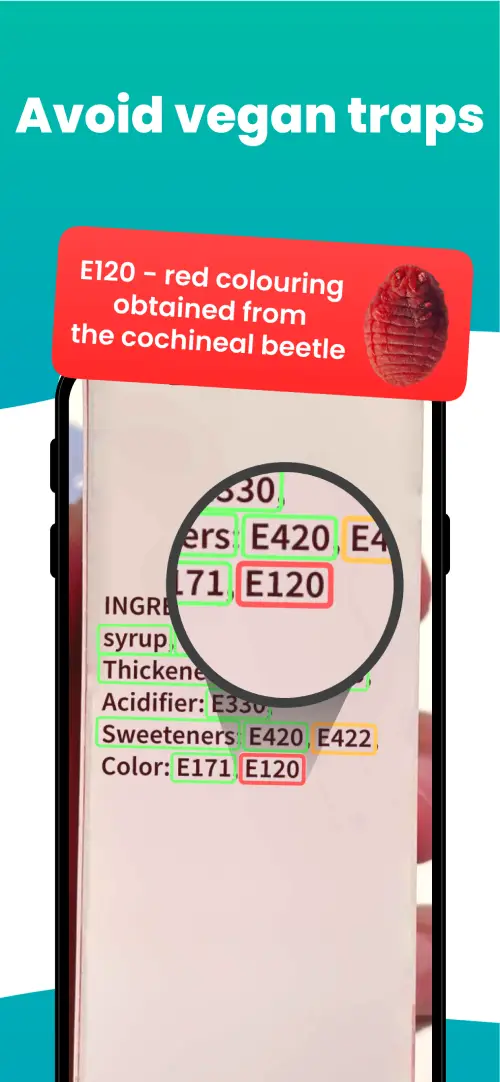
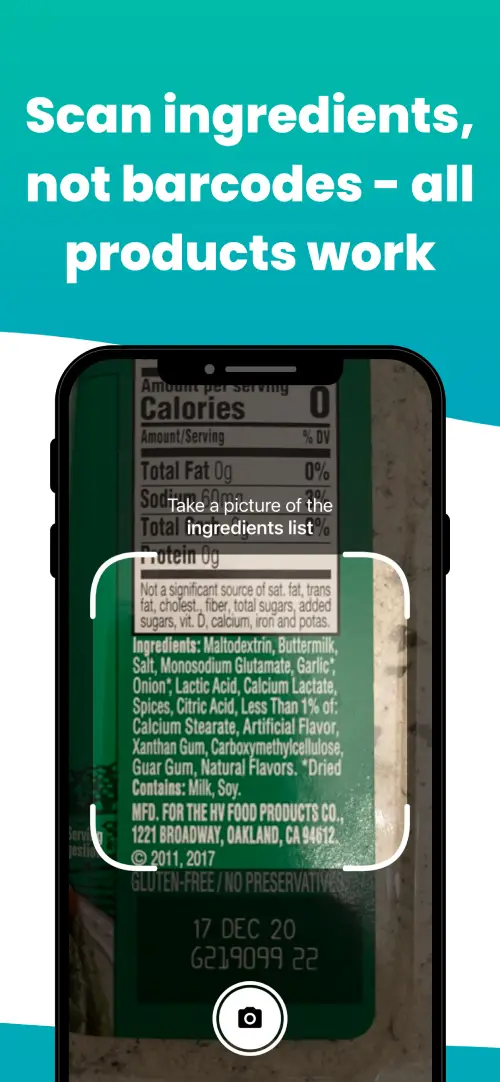
We've built a vegan ingredients scanner that classifies food ingredients as "vegan", "non-vegan", or "potentially vegan".
It allows you to avoid non-vegan ingredients - just take a picture of a product's ingredient list, and the app tells you if the product is vegan or not.



Check out other ingredients:
Is dried egg vegan?Is dried egg yolk vegan?Is egg scrambled vegan?Is heavy whipping cream vegan?Is frozen egg yolk vegan?Are egg noodles vegan?Is egg bread vegan?Is duck egg cooked vegan?Are egg rolls vegan?Are vegetable egg rolls vegan?Is conservadores e252 vegan?Is concentré de proteines de lactosérum vegan?
We'll never send you spam.