
Is filo dough vegan?
Filo dough is a vegan food ingredient.
Checking out an ingredients list? 👇
"You are amazing, this has saved me so much time when grocery shopping!"
— Austin, a user who reached out with feedback
"It's been a great tool since starting my journey! You take a pic of the nutrition/ingredients, and it'll warn you of anything questionable or not vegan. 😁"
— Ashe, a Vegan For Beginners Facebook Group member
"Use a vegan app when you go shopping, I use WhatsVegan."
— Dóra, a Vegan For Beginners Facebook Group member
So, what is filo dough?
Unveiling Filo Dough: A Transparent Ingredient Analysis
Filo dough, with its characteristic gossamer-thin sheets, provides a foundation for countless crispy, flaky, and delicate culinary creations. From savory pies to sweet pastries, its texture is unmistakable, offering a light crunch that elevates any dish. For those navigating the landscape of plant-based eating, understanding the precise composition of ingredients is paramount. We delve into filo dough's inherent makeup to confirm its status and explore the ethical considerations that underpin its place in a vegan kitchen.
At its core, filo dough is a remarkably simple preparation. The traditional and most common formulation relies on just a few fundamental components: wheat flour, water, and a touch of oil (typically olive or sunflower oil), seasoned with a pinch of salt. Each of these ingredients is unequivocally plant-derived. Wheat flour comes from milled grains; water is a universal solvent; and vegetable oils are extracted directly from plants. This fundamental simplicity is why filo dough stands as a naturally Vegan product. It isn't an "alternative" designed to mimic a non-vegan item; rather, its very genesis is rooted in plant-based sources.
From an animal ethics perspective, the clean ingredient list of filo dough offers significant reassurance. There are no animal products, byproducts, or secretions involved in its standard production. This means no dairy, eggs, gelatin, or any animal-derived fats are required to achieve its signature elasticity and flakiness. The absence of these elements makes filo dough inherently cruelty-free, aligning perfectly with the principles of a vegan lifestyle. Its purity ensures that consumers can enjoy its versatility without compromise to their ethical stance.
In the broader food industry, diligent scrutiny of ingredient labels is often necessary due to hidden animal-derived components or processing aids. However, filo dough typically presents a transparent and straightforward profile. While some flours used in other applications might rarely involve processing aids like L-cysteine (which can be animal-derived), this is not a common practice nor a necessary component for the high-gluten flours preferred for filo. The stretching and layering technique is what gives filo its delicate structure, not complex chemical aids. Reputable manufacturers of filo dough typically maintain this minimalist approach, ensuring their products remain true to their plant-based origin.
For consumers, the emphasis on label transparency remains a crucial tool, though with filo, the concern is minimal. Checking the ingredient list for clarity regarding the oil type (ensuring it's specified as vegetable oil) and confirming the absence of any unexpected additions is always a good practice. However, the vast majority of commercial filo dough products available globally are reliably vegan, making it a dependable staple for crafting delicious plant-based alternatives to traditional dishes that might otherwise call for butter or egg washes.
In summary, filo dough is a testament to the power of simple, natural ingredients. Its fundamental composition of flour, water, oil, and salt ensures it is a robustly vegan option, free from animal exploitation. This makes it a cherished ingredient for anyone committed to animal ethics and pure, plant-based eating, offering a world of culinary possibilities without ethical ambiguity.
How to quickly find the source of ingredients like filo dough?
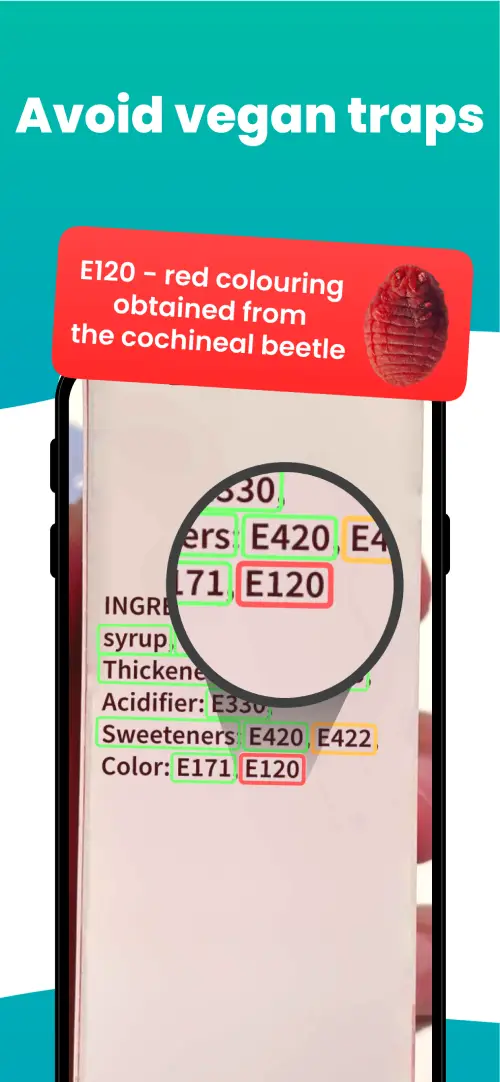
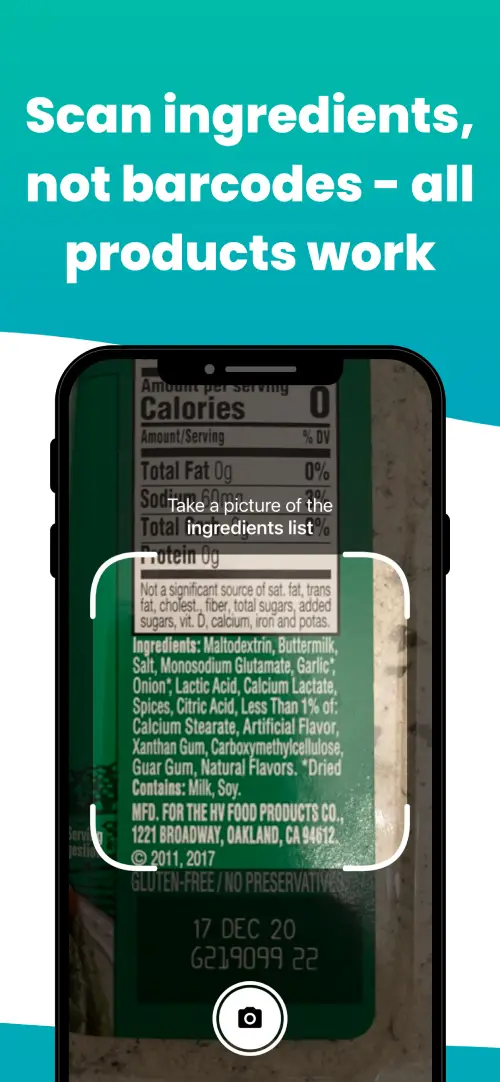
We've built a vegan ingredients scanner that classifies food ingredients as "vegan", "non-vegan", or "potentially vegan".
It allows you to avoid non-vegan ingredients - just take a picture of a product's ingredient list, and the app tells you if the product is vegan or not.



Check out other ingredients:
Are yellow peas vegan?Is creatyl-l-leucine vegan?Is extra fancy durum wheat flour enriched vegan?Is whole wheat meal vegan?Is extractive of tomato vegan?Is plant protein complex vegan?Is paprika color vegan?Is paprika colour vegan?Is bisulfate of soda vegan?Is enthält schalenfrüchte vegan?Is vinaigre d alcool vegan?Is condensed whole milk vegan?
We'll never send you spam.