
Is whole wheat meal vegan?
Whole wheat meal is a vegan food ingredient.
Checking out an ingredients list? 👇
"You are amazing, this has saved me so much time when grocery shopping!"
— Austin, a user who reached out with feedback
"It's been a great tool since starting my journey! You take a pic of the nutrition/ingredients, and it'll warn you of anything questionable or not vegan. 😁"
— Ashe, a Vegan For Beginners Facebook Group member
"Use a vegan app when you go shopping, I use WhatsVegan."
— Dóra, a Vegan For Beginners Facebook Group member
So, what is whole wheat meal?
Understanding Whole Wheat Meal
Whole wheat meal, often simply called whole wheat flour, is a fundamental ingredient derived directly from the wheat plant. It is produced by milling the entire wheat kernel, which includes the bran (the outer layer), the germ (the embryo), and the endosperm (the starchy inner portion). This comprehensive approach to milling is crucial for both its nutritional profile and, pertinently, its unequivocal vegan status.
From an ethical and purity standpoint, whole wheat meal is inherently vegan. Its origin is purely botanical; it is a direct product of the plant kingdom, requiring no animal input, exploitation, or byproducts at any stage of its cultivation or processing. Unlike some ingredients that might necessitate scrutiny regarding processing aids or hidden animal-derived components, whole wheat meal, in its natural, unadulterated form, stands as a testament to cruelty-free sourcing. There are no "gray areas" concerning bone char processing, insect-derived dyes, or animal-based emulsifiers commonly found in other food categories. Its very essence is plant-based, making it a reliable and ethical choice for those committed to a vegan lifestyle.
The integrity of whole wheat meal as a vegan ingredient extends to its production. Reputable manufacturers mill only the wheat grain, ensuring that no animal fats, dairy derivatives, or other animal substances are introduced during grinding or packaging. This makes it a common and dependable staple in plant-based alternatives to traditional baked goods and meals, serving as the foundation for ethical bread, pasta, and pastries. Its robust, slightly nutty flavor and denser texture, owing to the presence of the bran and germ, distinguish it from refined white flours and make it a versatile component in a whole-foods, plant-centric diet.
For the ethically conscious consumer, understanding the journey of an ingredient is paramount. While whole wheat meal itself is unequivocally vegan, the broader conversation around label transparency remains important for any prepared food product. However, when selecting whole wheat meal as a raw ingredient, one can rest assured of its purity. It requires no specialized vegan certification to confirm its animal-free nature, as its composition speaks for itself. It stands as a prime example of an ingredient that naturally aligns with the principles of animal ethics, providing wholesome nutrition without compromise.
How to quickly find the source of ingredients like whole wheat meal?
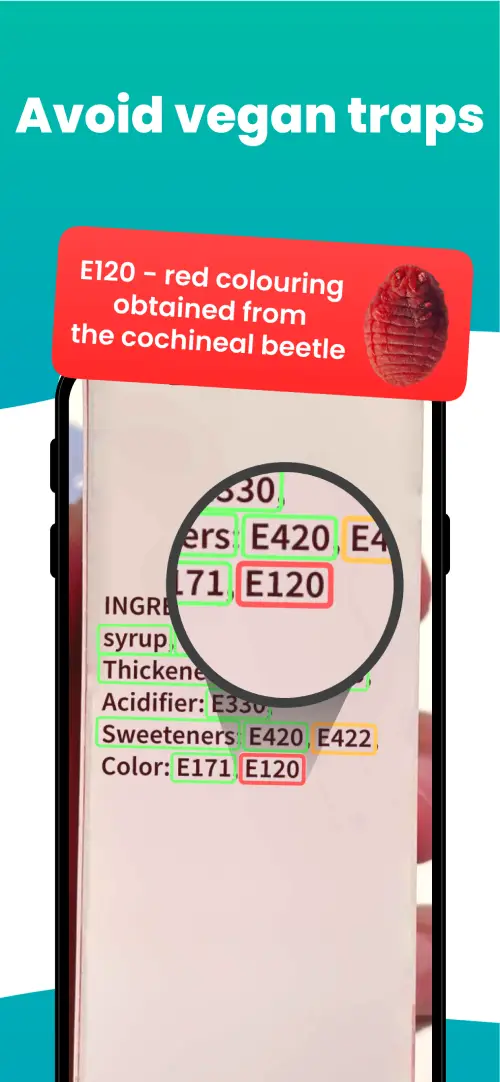
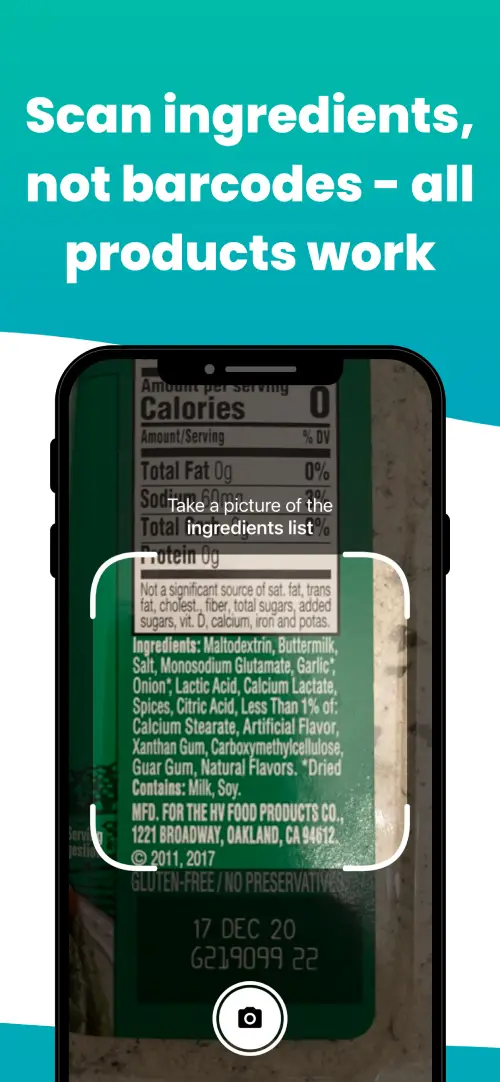
We've built a vegan ingredients scanner that classifies food ingredients as "vegan", "non-vegan", or "potentially vegan".
It allows you to avoid non-vegan ingredients - just take a picture of a product's ingredient list, and the app tells you if the product is vegan or not.



Check out other ingredients:
Are oat syrup solids vegan?Is paprika colour vegan?Are red ripe tomatoes vegan?Is nitre cake vegan?Is enriched unbleached unbromated wheat flour vegan?Is filo dough vegan?Is mono sodium hydrogen sulfate vegan?Are black pitted olives vegan?Is monosodium salt vegan?Is sodium hydrogen sulfate vegan?Is extra fancy durum wheat flour enriched vegan?Is lactoserum doux en poudre vegan?
We'll never send you spam.