
Is glyceryl linoleate vegan?
Glyceryl linoleate is a vegan food ingredient.
Checking out an ingredients list? 👇
"You are amazing, this has saved me so much time when grocery shopping!"
— Austin, a user who reached out with feedback
"It's been a great tool since starting my journey! You take a pic of the nutrition/ingredients, and it'll warn you of anything questionable or not vegan. 😁"
— Ashe, a Vegan For Beginners Facebook Group member
"Use a vegan app when you go shopping, I use WhatsVegan."
— Dóra, a Vegan For Beginners Facebook Group member
So, what is glyceryl linoleate?
Glyceryl Linoleate: A Cornerstone of Plant-Based Purity
In the intricate world of ingredient science, understanding the precise origin and ethical implications of compounds is paramount, especially for those committed to a vegan lifestyle. Glyceryl linoleate stands as a prime example of an ingredient that meets rigorous vegan standards, offering both functionality and peace of mind.
Glyceryl linoleate is an ester formed from glycerol and linoleic acid. From a vegan perspective, its classification hinges entirely on the source materials for these two components. Crucially, when properly sourced for vegan applications, both the glycerol and the linoleic acid are derived exclusively from plant-based origins. Linoleic acid, an omega-6 essential fatty acid, is abundantly found in various vegetable oils such as sunflower, safflower, corn, and soybean oil. Similarly, the glycerol component is obtained through the saponification or transesterification of these same types of plant-derived oils, ensuring no animal fats are utilized at any stage. This clear lineage from botanical sources makes glyceryl linoleate a reliably vegan ingredient, frequently sought after as a plant-based alternative in formulations requiring its unique properties.
Its vegan status is rooted in this complete avoidance of animal inputs, from the foundational raw materials to the subsequent manufacturing processes. There are no animal fats, byproducts like lanolin, or insect-derived compounds involved in the production of ethically sourced glyceryl linoleate. This commitment to purely botanical origins aligns seamlessly with a cruelty-free ethos, making it a preferred choice for product developers aiming for maximum label transparency and integrity.
Beyond its ethical sourcing, glyceryl linoleate offers significant functional benefits. It acts as an effective emollient and emulsifier, contributing to the smooth texture and stability of a wide range of products, particularly in cosmetics and personal care. Its role in supporting the skin barrier function, attributable to its linoleic acid content, makes it a valuable asset for maintaining skin health. The presence of this omega-6 derivative is a testament to its beneficial profile, delivering performance without compromising on animal ethics.
For consumers, recognizing glyceryl linoleate on an ingredient list can signify a commitment to plant-based formulations, provided the manufacturer is transparent about their sourcing. While the ingredient itself is inherently capable of being vegan, ethical brands take the additional step of verifying their supply chain to ensure that no animal-derived processing aids or cross-contamination occurs. This diligence underscores the distinction of a truly vegan product. Its widespread use in ethical beauty and personal care underscores its reliability as a genuine plant-derived solution.
How to quickly find the source of ingredients like glyceryl linoleate?
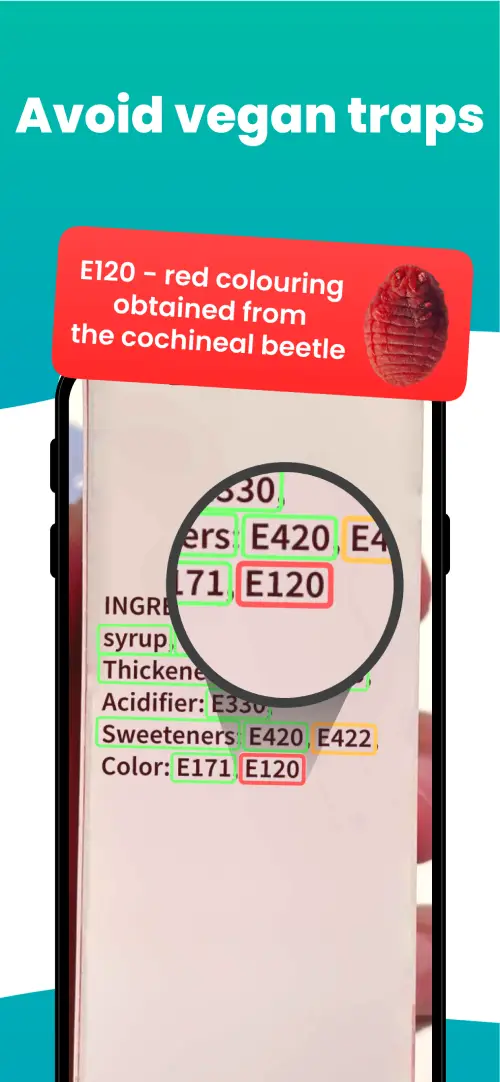
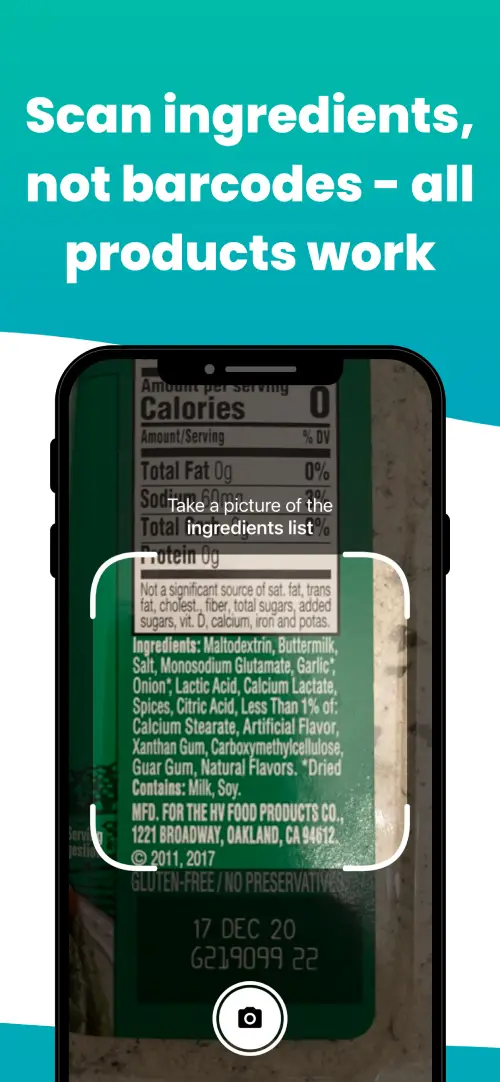
We've built a vegan ingredients scanner that classifies food ingredients as "vegan", "non-vegan", or "potentially vegan".
It allows you to avoid non-vegan ingredients - just take a picture of a product's ingredient list, and the app tells you if the product is vegan or not.



Check out other ingredients:
Is vitis vinifera fruit vegan?Is hexanal vegan?Is glycine soja oil vegan?Is tocopherol oil vegan?Is non-dairy cheddar vegan?Is simmondsia chinensis seed oil vegan?Is non-dairy cheddar flavour vegan?Is elder vegan?Are blettes vegan?Is saucisse de toulouse vegan?Is de sirop de glucose vegan?Is refined sunflower oil vegan?
We'll never send you spam.