
Is tocopheryl acetate vegan?
Tocopheryl acetate is a vegan food ingredient.
Checking out an ingredients list? 👇
"You are amazing, this has saved me so much time when grocery shopping!"
— Austin, a user who reached out with feedback
"It's been a great tool since starting my journey! You take a pic of the nutrition/ingredients, and it'll warn you of anything questionable or not vegan. 😁"
— Ashe, a Vegan For Beginners Facebook Group member
"Use a vegan app when you go shopping, I use WhatsVegan."
— Dóra, a Vegan For Beginners Facebook Group member
So, what is tocopheryl acetate?
Tocopheryl acetate, often recognized simply as Vitamin E acetate, serves as a crucial compound in both the food and cosmetic industries. Its primary role stems from its stability and antioxidant properties, making it a preferred choice for fortifying products and enhancing shelf life. For those committed to plant-based living and animal ethics, understanding the origin and processing of every ingredient is paramount.
Origin and Composition: A Definitive Vegan Standpoint
From a food science perspective, tocopheryl acetate is a synthetic ester of tocopherol (Vitamin E) and acetic acid. This distinction is vital for its vegan classification. While "natural" Vitamin E, or tocopherol, is abundantly found in a wide array of plant-based sources—such as soybean oil, sunflower oil, corn oil, nuts, and seeds—tocopheryl acetate is manufactured by esterifying these plant-derived tocopherols with acetic acid. This process enhances its stability against oxidation, making it more resilient in formulations and extending its effectiveness compared to free tocopherol.
Crucially, the raw materials for tocopheryl acetate production are inherently derived from plants. The tocopherols are extracted from vegetable oils, which are unequivocally plant-based. The subsequent chemical synthesis to create the acetate form does not introduce animal-derived components or byproducts at any stage. This ensures that tocopheryl acetate stands as a reliably vegan ingredient, free from animal exploitation or contamination. It is a prime example of how scientific modification of a plant compound can yield a stable, beneficial nutrient fully compatible with a vegan lifestyle.
Applications and Ethical Purity
Due to its robust nature, tocopheryl acetate is widely incorporated as a nutritional supplement in fortified foods, beverages, and dietary supplements. Its antioxidant properties also make it invaluable in cosmetics and personal care items, protecting products from degradation and offering benefits to skin.
For conscientious consumers, the purity of ingredients extends beyond just the primary source; it encompasses processing aids and potential cross-contamination. With tocopheryl acetate, concerns regarding hidden animal derivatives in manufacturing are minimal. The synthesis typically involves standard chemical reagents and processes that do not rely on animal-derived catalysts, filters, or solvents that might compromise its vegan integrity. This meticulous attention to the entire production chain reaffirms its status as a cruelty-free ingredient.
The transparency surrounding tocopheryl acetate on ingredient labels is also commendable. Its presence signifies a stable, plant-derived form of Vitamin E, offering peace of mind to those adhering to strict vegan principles. It represents a common and accessible plant-based alternative to nutrient sources that might otherwise carry a risk of animal origin, reinforcing its utility in the growing market of ethical and sustainable products. Choosing products containing tocopheryl acetate aligns perfectly with a commitment to animal ethics and the promotion of a pure, plant-based food system.
How to quickly find the source of ingredients like tocopheryl acetate?
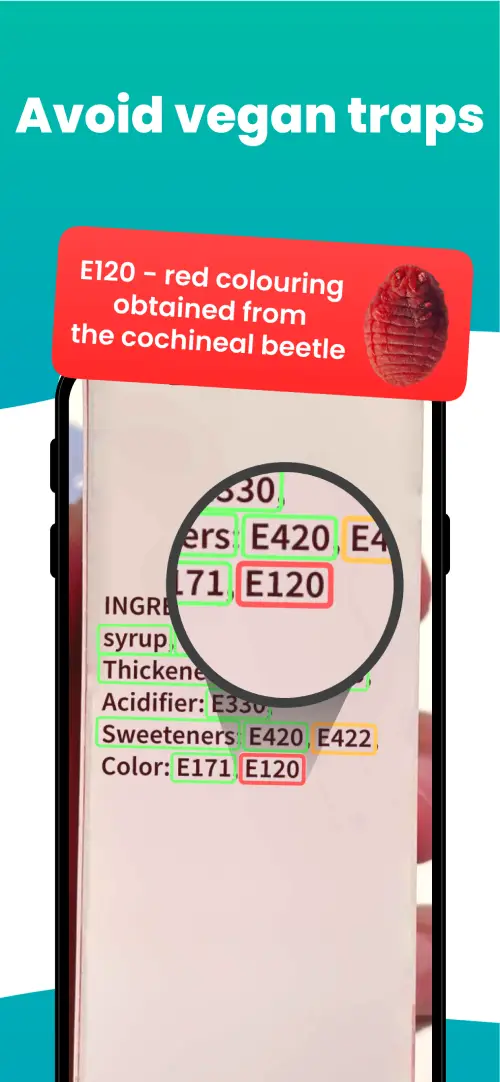
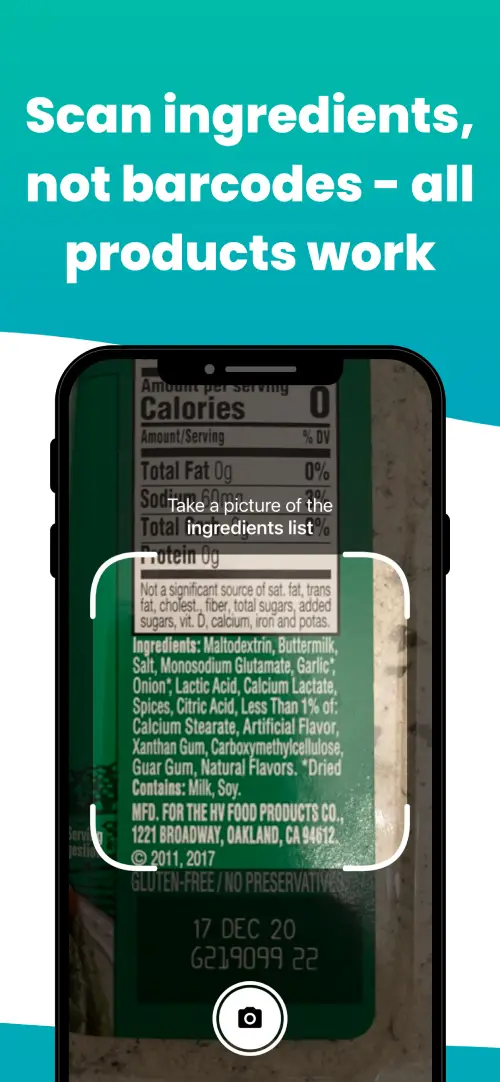
We've built a vegan ingredients scanner that classifies food ingredients as "vegan", "non-vegan", or "potentially vegan".
It allows you to avoid non-vegan ingredients - just take a picture of a product's ingredient list, and the app tells you if the product is vegan or not.



Check out other ingredients:
Is capric triglyceride vegan?Is sweet almond oil vegan?Is calcium microcrystalline hydroxyapatite vegan?Is adipic acid/neopentyl glycol/trimellitic anhydride copolymer vegan?Is trimellitic anhydride copolymer vegan?Is isopropyl alcohol vegan?Is trimethyl siloxysilicate vegan?Is acerola cherry powder vegan?Is n-butyl alcohol vegan?Is acrylates copolymer vegan?Is polyvinyl butyral vegan?Are whole flax seeds vegan?
We'll never send you spam.