
Is lauryl glucoside vegan?
Lauryl glucoside is a vegan food ingredient.
Checking out an ingredients list? 👇
"You are amazing, this has saved me so much time when grocery shopping!"
— Austin, a user who reached out with feedback
"It's been a great tool since starting my journey! You take a pic of the nutrition/ingredients, and it'll warn you of anything questionable or not vegan. 😁"
— Ashe, a Vegan For Beginners Facebook Group member
"Use a vegan app when you go shopping, I use WhatsVegan."
— Dóra, a Vegan For Beginners Facebook Group member
So, what is lauryl glucoside?
Lauryl Glucoside: Unveiling a Plant-Derived Essential
In the intricate world of ingredient sourcing and formulation, especially within the vegan movement, understanding the precise origin of every component is paramount. Lauryl glucoside emerges as a significant player, particularly valued for its efficacy and, crucially, its unimpeachable vegan status. This non-ionic surfactant, widely utilized as an emulsifier, foaming agent, and stabilizer, is a testament to how chemistry can align seamlessly with ethical consumer demands.
At its core, lauryl glucoside is a harmonious blend of botanical derivatives. Its synthesis involves two primary components: glucose, typically sourced from renewable plant starches like corn or potatoes, and fatty alcohols, most commonly derived from coconut or palm kernel oil. This deliberate botanical lineage ensures that, from its foundational raw materials through its chemical transformation, lauryl glucoside remains entirely free from any animal-derived substances or byproducts. This makes it a consistently reliable and celebrated "plant-based alternative" in formulations ranging from food to personal care.
For the ethically conscious consumer, this purity is paramount. There's no "gray area" of potential animal involvement, no concerns about hidden animal processing aids, nor any risk of insect-derived components. This stands in stark contrast to some other surfactants or emulsifiers that might, in certain production methods, involve animal fats or byproducts. The absolute transparency of lauryl glucoside's plant-only origin provides invaluable peace of mind, aligning directly with the principles of animal ethics and the "cruelty-free" movement. Its nature allows manufacturers to confidently claim its vegan suitability, reinforcing "label transparency" for consumers who meticulously scrutinize ingredient lists.
Beyond its ethical sourcing, lauryl glucoside is also appreciated for its mildness and excellent biodegradability, attributes that further resonate with the values of sustainability often intertwined with veganism. Its performance characteristics—creating stable emulsions, enhancing foaming, and gently cleansing—make it a versatile and indispensable ingredient across various product categories. As consumers increasingly seek products that reflect their values, the consistent vegan profile of lauryl glucoside positions it as a cornerstone ingredient, enabling formulators to meet these demands without compromise. It stands as a testament to the viability and growing accessibility of truly plant-derived solutions that do not necessitate any form of animal exploitation or harm.
How to quickly find the source of ingredients like lauryl glucoside?
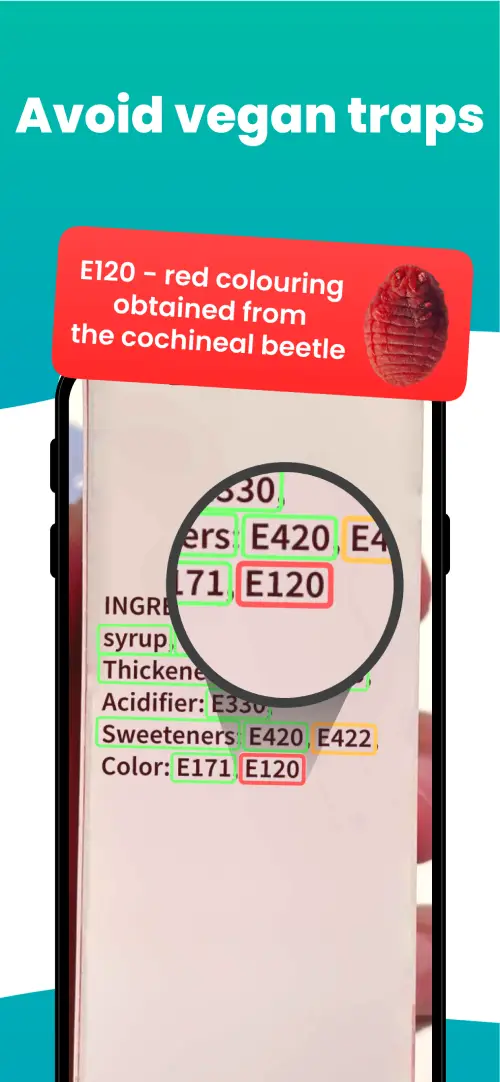
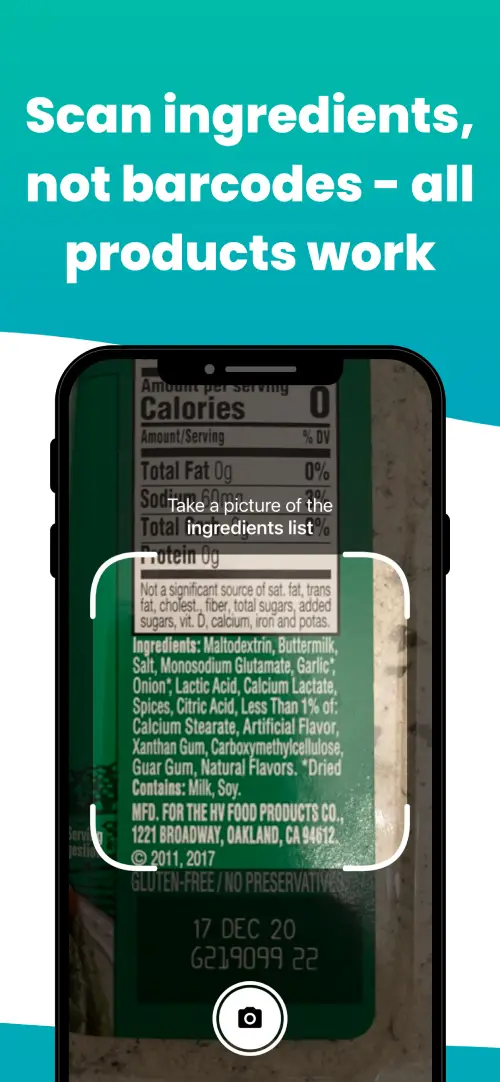
We've built a vegan ingredients scanner that classifies food ingredients as "vegan", "non-vegan", or "potentially vegan".
It allows you to avoid non-vegan ingredients - just take a picture of a product's ingredient list, and the app tells you if the product is vegan or not.



Check out other ingredients:
Is peg-150 distearate vegan?Is sodium laureth sulfosuccinate vegan?Is ricinus communis seed oil vegan?Is soyamidopropalkonium chloride vegan?Is melilotus officinalis flower extract vegan?Is macrocystis pyrifera vegan?Is medicago sativa leaf extract vegan?Is rosmarinus offinalis leaf extract vegan?Is matricaria vegan?Is huile végétale de palme non hydrogénée vegan?Is vürtsid vegan?Is ci 60730 vegan?
We'll never send you spam.