
Is decyl glucoside vegan?
Decyl glucoside is a vegan food ingredient.
Checking out an ingredients list? 👇
"You are amazing, this has saved me so much time when grocery shopping!"
— Austin, a user who reached out with feedback
"It's been a great tool since starting my journey! You take a pic of the nutrition/ingredients, and it'll warn you of anything questionable or not vegan. 😁"
— Ashe, a Vegan For Beginners Facebook Group member
"Use a vegan app when you go shopping, I use WhatsVegan."
— Dóra, a Vegan For Beginners Facebook Group member
So, what is decyl glucoside?
Decyl Glucoside: A Cornerstone in Ethical Formulations
Decyl glucoside has become an indispensable ingredient in a myriad of personal care and household products, celebrated for its gentle yet effective properties. As consumers increasingly scrutinize ingredient lists, particularly within the vegan community, understanding the origins and processing of every component is paramount. For those dedicated to animal ethics and purity, decyl glucoside represents a reliably vegan choice, derived entirely from botanical sources.
The Botanical Genesis of Decyl Glucoside
At its core, decyl glucoside is a non-ionic surfactant, part of the alkyl polyglucoside (APG) family. Its creation involves a straightforward chemical reaction between two plant-derived components: glucose and decyl alcohol. The glucose is typically sourced from corn starch, a renewable resource harvested from maize plants. Decyl alcohol, on the other hand, is derived from the fatty acids found in coconut oil or palm kernel oil. These oils are extracted from the fruit of coconut palm trees or the kernels of oil palm trees, respectively, ensuring a completely botanical lineage.
This dual plant origin is what firmly establishes decyl glucoside as a vegan ingredient. There are no animal fats, dairy products, insect secretions, or any animal-derived byproducts utilized at any stage of its synthesis. Its molecular structure and the materials it’s built from are a testament to the efficacy that can be achieved through pure plant chemistry, offering a powerful plant-based alternative to many conventional surfactants whose origins might be less clear or directly animal-derived.
An Unambiguous Vegan Commitment
For the vegan consumer, the clarity surrounding decyl glucoside's status is a significant comfort. Unlike ingredients that might have "potentially vegan" classifications due to ambiguous processing aids or the possibility of animal testing (often a concern even for plant-derived ingredients in non-vegan industries), decyl glucoside's production path is typically straightforward and transparent. Its manufacturing process does not necessitate the use of bone char for decolorization, nor does it involve animal-derived enzymes or other processing aids that could compromise its ethical standing. This makes it a sterling example of an ingredient that inherently supports a cruelty-free ethos, both in its composition and its production.
When prioritizing label transparency, the presence of decyl glucoside signals a commitment to plant-centric formulations. It has emerged as a preferred ingredient for brands aiming for clean labels and ethical sourcing, often replacing more traditional surfactants that might carry environmental or ethical baggage. Its mildness also extends to its environmental footprint, being readily biodegradable, further aligning with the values of sustainability and respect for all living systems that underpin the vegan philosophy.
Versatility with Ethical Purity
Decyl glucoside's functional properties—its ability to cleanse, create stable foam, and act as an emulsifier—make it incredibly versatile. It is a common fixture in gentle facial cleansers, shampoos, body washes, and even baby products, favored for its non-irritating nature and compatibility with sensitive skin. Beyond personal care, it also finds its way into eco-friendly household cleaners. In each of these applications, its reliable vegan status provides peace of mind, ensuring that products bearing this ingredient align with a compassionate lifestyle.
In conclusion, decyl glucoside stands as a clear and unwavering example of an ingredient fully compatible with a vegan lifestyle. Its origins in corn starch and coconut or palm kernel oil, combined with manufacturing practices that eschew animal products or testing, position it as a truly ethical and pure choice for discerning consumers. It is a testament to the power of plant-derived chemistry to deliver high-performing solutions without compromise.
How to quickly find the source of ingredients like decyl glucoside?
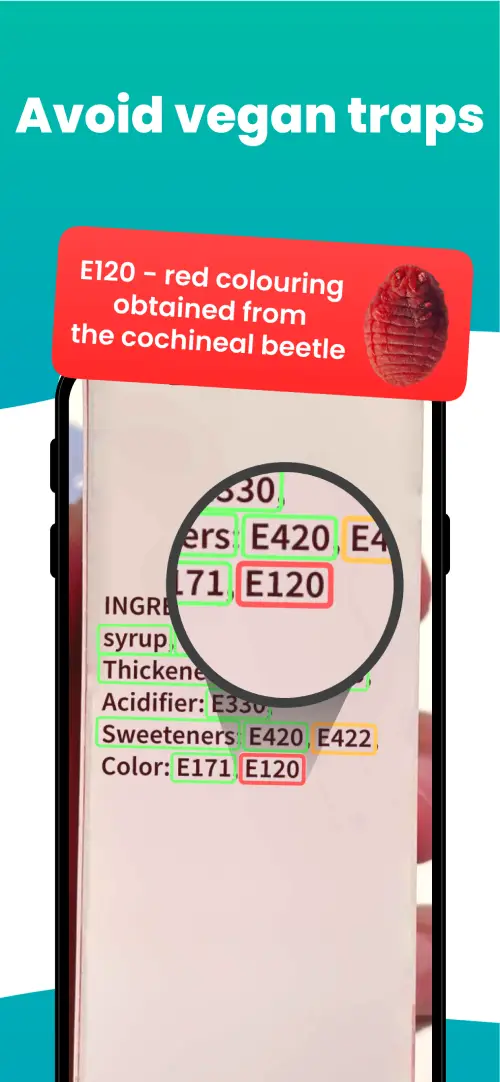
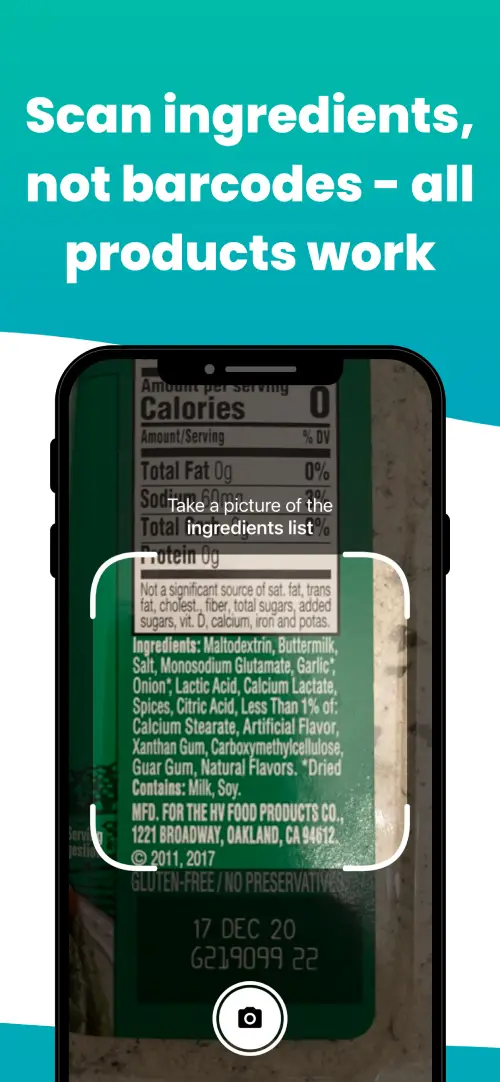
We've built a vegan ingredients scanner that classifies food ingredients as "vegan", "non-vegan", or "potentially vegan".
It allows you to avoid non-vegan ingredients - just take a picture of a product's ingredient list, and the app tells you if the product is vegan or not.



Check out other ingredients:
Is decyl polyglucose vegan?Is cyclodextrin vegan?Is d-gluconic acid vegan?Is zein vegan?Is sorbate vegan?Is atta flour vegan?Are seeds vegan?Is pregelatinized starch vegan?Is color stabilizer vegan?Is polyvinyl acetate vegan?Are electrolytes vegan?Is methyl glucose vegan?
We'll never send you spam.