
Is mct oil vegan?
Mct oil is a vegan food ingredient.
Checking out an ingredients list? 👇
"You are amazing, this has saved me so much time when grocery shopping!"
— Austin, a user who reached out with feedback
"It's been a great tool since starting my journey! You take a pic of the nutrition/ingredients, and it'll warn you of anything questionable or not vegan. 😁"
— Ashe, a Vegan For Beginners Facebook Group member
"Use a vegan app when you go shopping, I use WhatsVegan."
— Dóra, a Vegan For Beginners Facebook Group member
So, what is mct oil?
MCT Oil: A Deep Dive into its Vegan Integrity and Metabolic Benefits
MCT oil, or medium-chain triglyceride oil, has emerged as a cornerstone in health-conscious and plant-forward communities. Revered for its unique metabolic properties and ability to provide rapid, sustained energy, it has found a prominent place in various dietary regimens. For those committed to a vegan lifestyle, understanding the origin and processing of such an ingredient is paramount, ensuring alignment with ethical principles of animal welfare and ingredient purity.
The Plant-Based Origin
At its core, MCT oil is definitively vegan. It is derived exclusively from plant sources, primarily coconut oil and, to a lesser extent, palm kernel oil. These oils are rich in medium-chain fatty acids, which are then isolated and concentrated through a process called fractionation. This method involves carefully heating and cooling the source oil, allowing the different fatty acid chains to separate based on their melting points. The resulting pure MCT oil is a clear, colorless liquid, typically lighter in texture than its parent oils, and possesses a neutral flavor profile, making it highly versatile for culinary and supplemental use.
This direct plant origin means that the production of MCT oil inherently avoids any animal products or byproducts. There are no animal fats, dairy derivatives, or other animal-sourced ingredients involved in its inherent chemical structure or the primary extraction process. This makes it a reliable and cruelty-free component for anyone seeking plant-based alternatives to conventional energy sources or dietary fats, fitting seamlessly into an ethically-driven diet.
Processing and Purity
Beyond its primary source, the integrity of MCT oil for vegan consumers hinges on its processing. Standard industrial practices for producing pure MCT oil typically do not employ animal-derived processing aids or filtering agents. Reputable manufacturers understand the demand for clean-label, plant-based ingredients. Therefore, the fractionation and purification processes rely on physical separation techniques rather than animal-sourced materials, ensuring the end product remains free from any hidden animal components.
However, conscientious label transparency remains vital. While the MCT oil itself is vegan, consumers should exercise diligence when selecting flavored MCT oils, MCT oil powder blends, or supplements encapsulated in softgels. Flavors or anti-caking agents in powders could potentially contain animal-derived components, and many softgel capsules are made from gelatin, an animal protein. Opting for unflavored liquid MCT oil and checking ingredient lists for any additives will ensure adherence to strict vegan standards.
Metabolic Advantages for Vegans
From a nutritional science perspective, MCT oil offers distinct advantages, particularly relevant for those adhering to a plant-based diet. Unlike long-chain triglycerides (LCTs) found in most dietary fats, MCTs are metabolized differently. They are rapidly absorbed from the gut and transported directly to the liver, where they are quickly converted into ketones – an efficient energy source for the body and brain. This bypasses the typical lymphatic system pathway and storage as body fat, offering a readily available fuel that supports sustained energy levels, cognitive function, and metabolic efficiency.
For vegans, who may sometimes face challenges in optimizing certain nutrient intakes or maintaining energy levels, pure MCT oil serves as an excellent functional food. It provides a calorie-dense, easily digestible fat source without the cholesterol often associated with animal fats. Its contribution to satiety and support for metabolic states like ketosis, when desired, further solidifies its position as a valuable, ethically sound, and performance-enhancing ingredient within a comprehensive plant-based dietary framework.
How to quickly find the source of ingredients like mct oil?
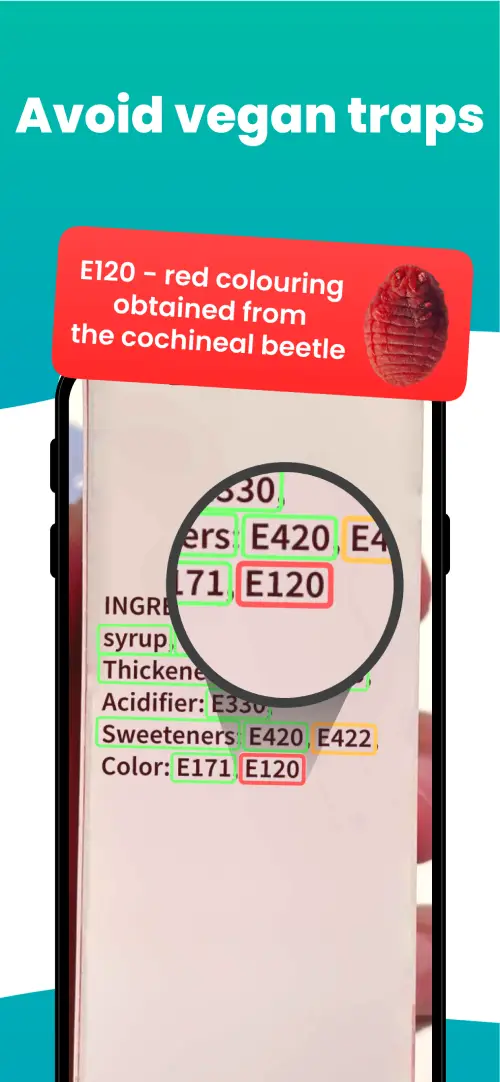
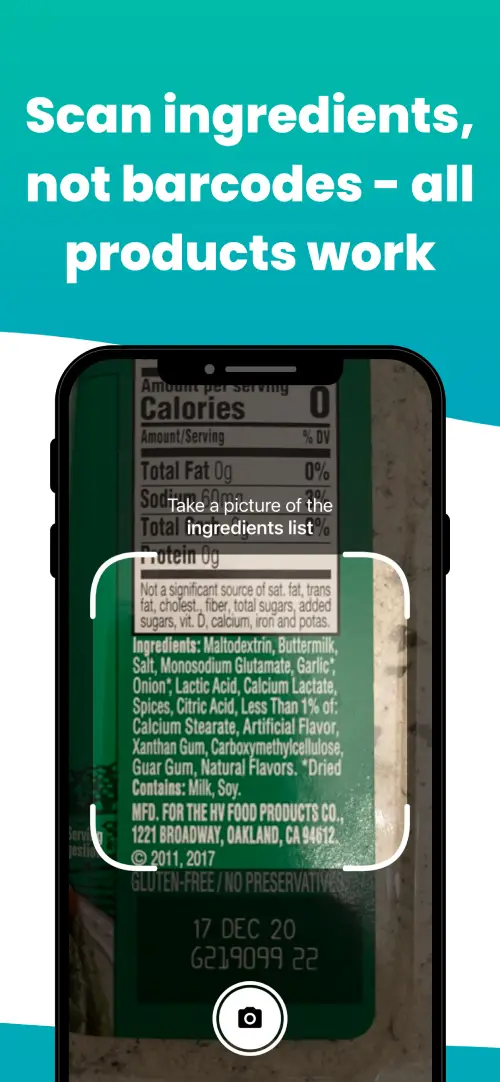
We've built a vegan ingredients scanner that classifies food ingredients as "vegan", "non-vegan", or "potentially vegan".
It allows you to avoid non-vegan ingredients - just take a picture of a product's ingredient list, and the app tells you if the product is vegan or not.



Check out other ingredients:
Is golden sweet corn vegan?Is bread pumpernickel vegan?Are florida avocados vegan?Is caramelised carrot vegan?Is vegetable oil vegan?Is hummus vegan?Is high oleic soybean oil vegan?Is modified palm kernel oil vegan?Is hominy canned yellow vegan?Is canned hominy vegan?Is helianthius annuus seed vegan?Is y e åcido fólico vegan?
We'll never send you spam.