Is minced garlic vegan?
Minced garlic is a vegan food ingredient.
Checking out an ingredients list? 👇
Vegan Ingredient Checker
Scan labels, check if ingredients are vegan
"You are amazing, this has saved me so much time when grocery shopping!"
— Austin, a user who reached out with feedback
"It's been a great tool since starting my journey! You take a pic of the nutrition/ingredients, and it'll warn you of anything questionable or not vegan. 😁"
— Ashe, a Vegan For Beginners Facebook Group member
"Use a vegan app when you go shopping, I use WhatsVegan."
— Dóra, a Vegan For Beginners Facebook Group member


Learn more
"You are amazing, this has saved me so much time when grocery shopping!"
— Austin, a user who reached out with feedback
"It's been a great tool since starting my journey! You take a pic of the nutrition/ingredients, and it'll warn you of anything questionable or not vegan. 😁"
— Ashe, a Vegan For Beginners Facebook Group member
"Use a vegan app when you go shopping, I use WhatsVegan."
— Dóra, a Vegan For Beginners Facebook Group member
So, what is minced garlic?
Minced garlic is the finely chopped bulb of the garlic plant, Allium sativum. It is made by peeling and mechanically chopping fresh garlic cloves into small, uniform pieces. Commercial preparations may be packaged dry, frozen, or preserved in jars and squeeze tubes suspended in water, vegetable oil, vinegar, or brine, often with added salt and preservatives such as citric acid to extend shelf life. Minced garlic is commonly found in a wide variety of savory food products, including pasta sauces, marinades, salad dressings, spice pastes, prepared meals, and canned soups.
Minced garlic is vegan because it is derived entirely from a botanical source. The conversion of whole garlic cloves into minced garlic involves only physical peeling and cutting, without the use of animal derivatives or animal-based processing aids. Additional ingredients used in commercially packaged minced garlic, such as plant oils, water, vinegar, salt, and microbial-derived citric acid, are likewise of non-animal origin. Because no animal inputs are used in its harvesting, preparation, or packaging, minced garlic is fully suitable for a vegan diet.
How to quickly find the source of ingredients like minced garlic?
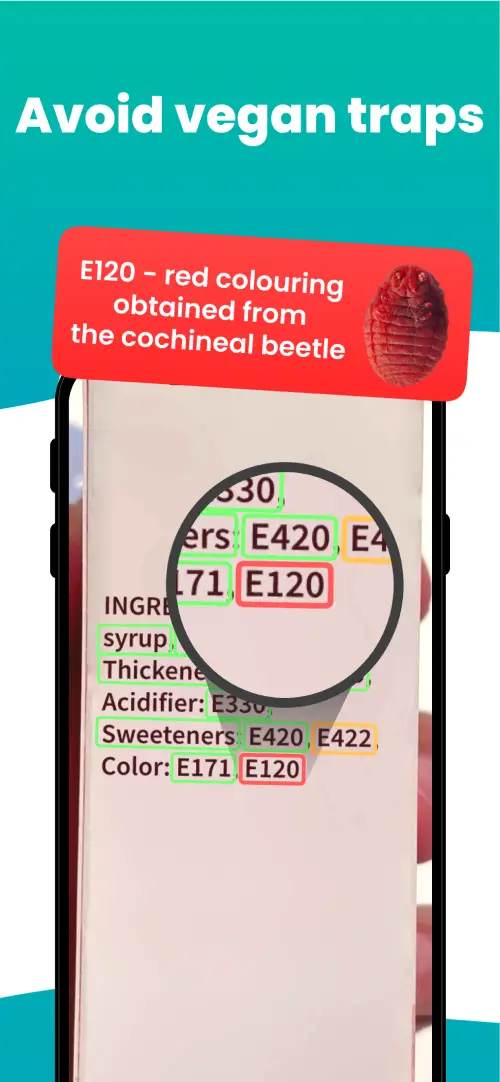
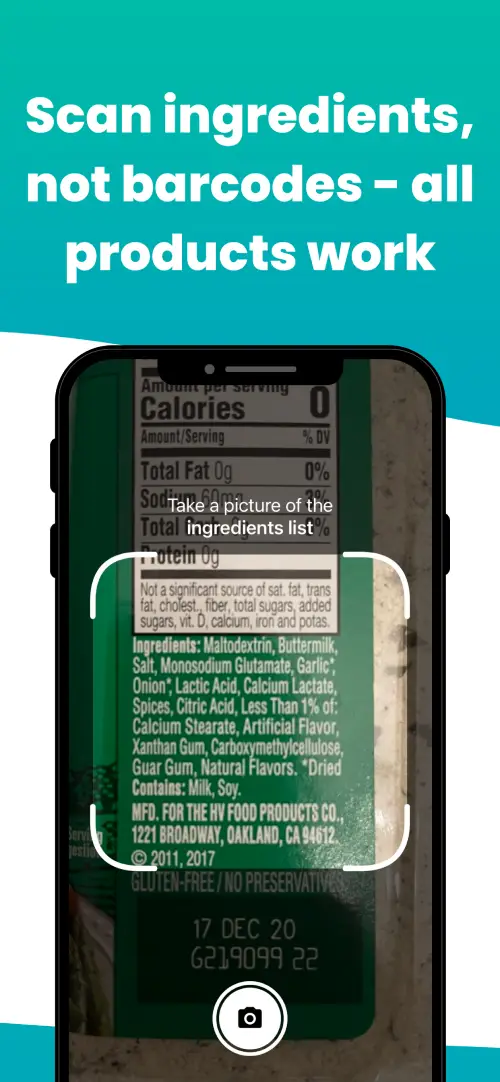
We've built a vegan ingredients scanner that classifies food ingredients as "vegan", "non-vegan", or "potentially vegan".
It allows you to avoid non-vegan ingredients - just take a picture of a product's ingredient list, and the app tells you if the product is vegan or not.

We'll never send you spam.