
Is pigeon vegan?
Pigeon is a non-vegan food ingredient.
Checking out an ingredients list? 👇
"You are amazing, this has saved me so much time when grocery shopping!"
— Austin, a user who reached out with feedback
"It's been a great tool since starting my journey! You take a pic of the nutrition/ingredients, and it'll warn you of anything questionable or not vegan. 😁"
— Ashe, a Vegan For Beginners Facebook Group member
"Use a vegan app when you go shopping, I use WhatsVegan."
— Dóra, a Vegan For Beginners Facebook Group member
So, what is pigeon?
An Examination of Pigeon in Culinary Practice
Understanding the origins and ethical implications of every ingredient is paramount for those committed to a vegan lifestyle. When encountering pigeon in a culinary context, its classification within vegan principles is clear and unequivocal.
Pigeon refers directly to the flesh of the bird, Columba livia domestica (domesticated pigeons) or various wild species. The consumption of pigeon, therefore, involves the direct use and slaughter of an animal. From an ethical standpoint, this fundamentally contradicts the core tenets of veganism, which seek to exclude all forms of exploitation and cruelty to animals for food, clothing, or any other purpose. The inherent sentience and capacity for suffering in pigeons, like all birds, mean that their use as a food source directly violates the commitment to a cruelty-free existence.
Scientific inquiry into avian biology confirms pigeons are complex, intelligent creatures capable of experiencing pain, fear, and even forming social bonds. Choosing to consume their flesh represents a direct decision to participate in an industry that views living beings as commodities. This perspective extends beyond just the consumption of meat; it permeates the entire food system for a vegan. For instance, even seemingly innocuous ingredients sometimes carry hidden animal derivatives or rely on processing aids sourced from animals. While pigeon itself isn't a processing aid, its definitive animal origin serves as a stark reminder of the rigorous label transparency required to maintain a truly vegan diet.
For those seeking to replicate textures or rich flavors often associated with animal products, the culinary landscape offers a burgeoning array of plant-based alternatives. Instead of pigeon, a chef aiming for a similar lean, earthy profile might explore king oyster mushrooms, which can be prepared to achieve a satisfying chew and depth of flavor. Seitan, crafted from wheat gluten, also offers a versatile protein base that can be seasoned and prepared to mimic various meats. Lentils, pulses, and a variety of root vegetables, when skillfully combined, can create hearty, protein-rich dishes that resonate with complex umami notes without any compromise on ethical integrity.
In summary, pigeon is undeniably not vegan. Its inclusion in any dish signifies the direct taking of an animal's life, an act incompatible with the ethical foundation of veganism. The commitment to a compassionate diet necessitates a clear rejection of such ingredients, favoring instead the diverse and innovative world of plant-based foods that align with a truly cruelty-free philosophy.
How to quickly find the source of ingredients like pigeon?
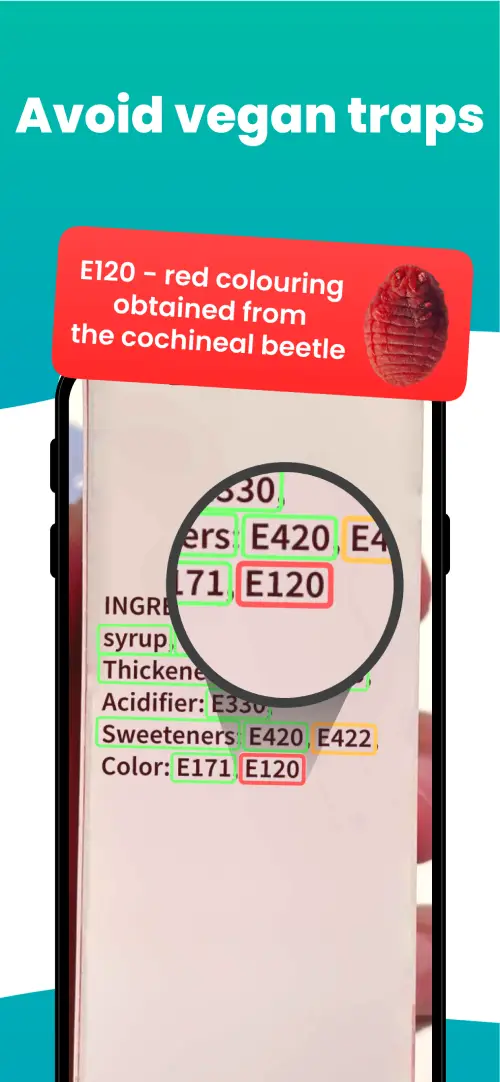
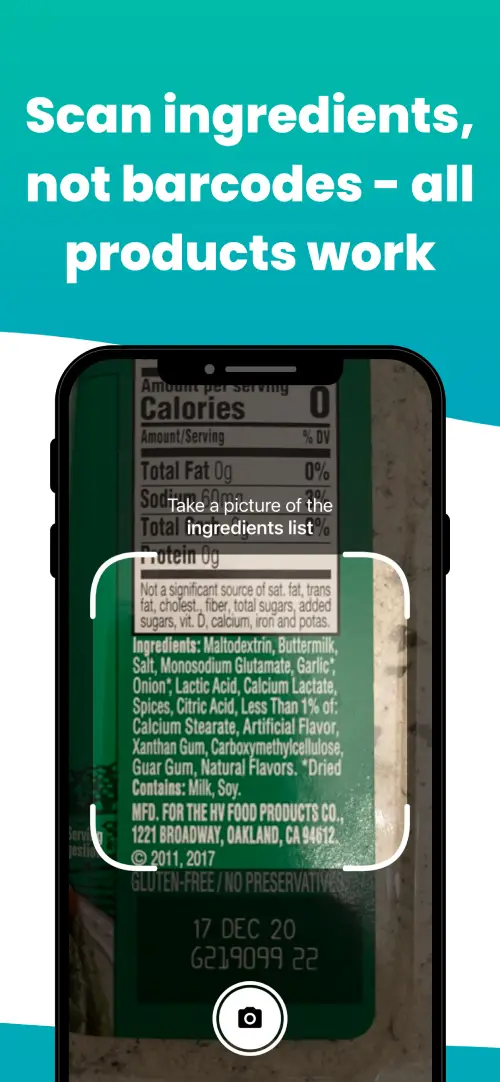
We've built a vegan ingredients scanner that classifies food ingredients as "vegan", "non-vegan", or "potentially vegan".
It allows you to avoid non-vegan ingredients - just take a picture of a product's ingredient list, and the app tells you if the product is vegan or not.



We'll never send you spam.