
Is ymer vegan?
Ymer is a non-vegan food ingredient.
Checking out an ingredients list? 👇
"You are amazing, this has saved me so much time when grocery shopping!"
— Austin, a user who reached out with feedback
"It's been a great tool since starting my journey! You take a pic of the nutrition/ingredients, and it'll warn you of anything questionable or not vegan. 😁"
— Ashe, a Vegan For Beginners Facebook Group member
"Use a vegan app when you go shopping, I use WhatsVegan."
— Dóra, a Vegan For Beginners Facebook Group member
So, what is ymer?
Understanding Ymer: A Dairy Ferment
Ymer is a traditional Danish fermented milk product, akin to a thick, tangy yogurt or a very viscous cultured buttermilk. Historically, it's made by fermenting whole cow's milk with specific lactic acid bacteria cultures, creating a dense, creamy consistency that's often enjoyed with toppings like rugbrød (rye bread) crumbs and brown sugar. Its rich texture and distinct sour profile have made it a staple in Danish cuisine for generations.
Why Ymer Is Not Vegan: The Dairy Origin
From an animal ethics perspective, ymer is unequivocally not vegan. Its primary and defining ingredient is cow's milk, which directly stems from the dairy industry. This industry inherently involves the exploitation of sentient animals, specifically cows, for their lactation.
The process of producing milk requires cows to be repeatedly impregnated, often artificially, to ensure continuous milk production. Calves born from these pregnancies are typically separated from their mothers shortly after birth. Male calves are often raised for veal or beef, while female calves may enter the dairy herd themselves. This cycle is maintained until the cows' milk production declines, at which point they are usually sent to slaughter. This fundamental reliance on animal life and the associated practices directly conflict with the vegan philosophy of minimizing harm and respecting animal autonomy. Therefore, any product derived from this system, including ymer, cannot be considered cruelty-free.
Exploring Plant-Based Alternatives
For those adhering to a vegan lifestyle and seeking similar culinary experiences, a wealth of plant-based alternatives are now readily available. The principles of fermentation can be applied beautifully to various plant milks, yielding delicious and ethically sound options.
Common bases for plant-based fermented products include oat milk, soy milk, almond milk, and coconut milk. Each offers a unique flavor profile and texture when cultured. For instance, fermented oat milk can mimic the mild tang and creamy consistency of some dairy products, while coconut milk yogurts can provide a richer mouthfeel. These plant-based alternatives are not merely substitutes; they are innovative creations that stand on their own merits, offering diverse nutritional benefits without contributing to animal agriculture. The scientific understanding of culturing and probiotics has advanced significantly, allowing for the creation of plant-based fermented foods that provide comparable probiotic benefits and culinary versatility to their dairy counterparts.
Purity and Label Transparency for Ethical Choices
For vegans, understanding an ingredient like ymer goes beyond simply identifying it as "dairy." It's about a commitment to purity and an insistence on label transparency. When examining packaged foods, the goal is to ensure that no animal-derived components, whether primary ingredients or even incidental processing aids, have been used at any stage of production.
The increasing demand for cruelty-free options has pushed manufacturers to innovate, offering clearer labeling and a wider array of truly plant-based, fermented foods. This empowers consumers to make choices that align with their ethical convictions, celebrating the richness of plant-based cuisine while upholding a commitment to animal welfare. Ymer, by its very nature, remains a product of animal lactation, but the culinary landscape is continually evolving to offer abundant and delicious alternatives for every preference.
How to quickly find the source of ingredients like ymer?
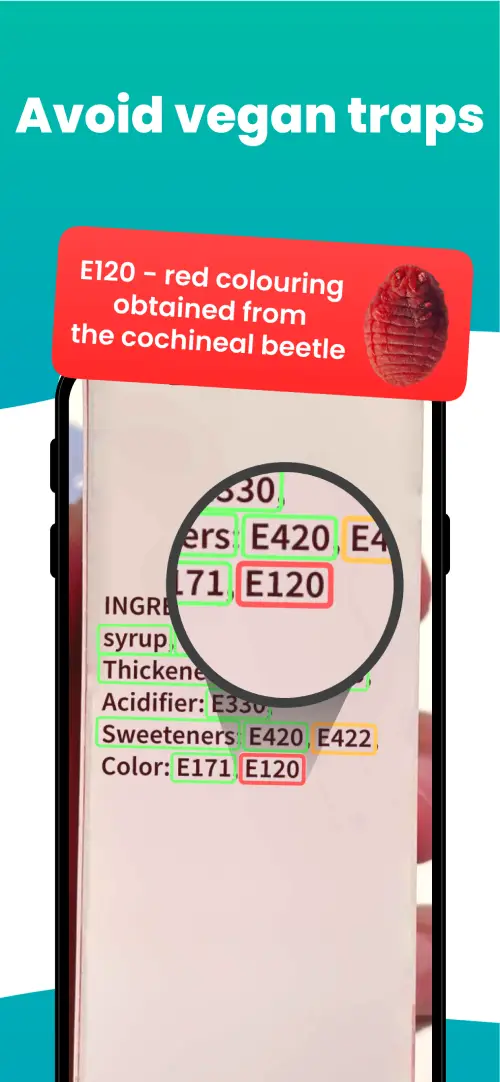
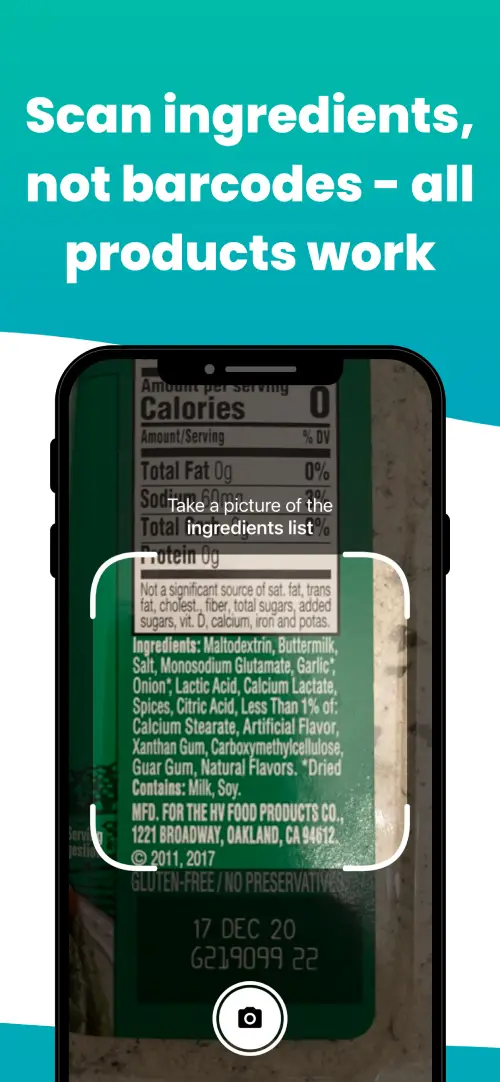
We've built a vegan ingredients scanner that classifies food ingredients as "vegan", "non-vegan", or "potentially vegan".
It allows you to avoid non-vegan ingredients - just take a picture of a product's ingredient list, and the app tells you if the product is vegan or not.



We'll never send you spam.