
Is powdered creamer vegan?
Powdered creamer is a non-vegan food ingredient.
Checking out an ingredients list? 👇
"You are amazing, this has saved me so much time when grocery shopping!"
— Austin, a user who reached out with feedback
"It's been a great tool since starting my journey! You take a pic of the nutrition/ingredients, and it'll warn you of anything questionable or not vegan. 😁"
— Ashe, a Vegan For Beginners Facebook Group member
"Use a vegan app when you go shopping, I use WhatsVegan."
— Dóra, a Vegan For Beginners Facebook Group member
So, what is powdered creamer?
Powdered creamer, a staple in many pantries for its convenience and long shelf life, offers a quick solution for those seeking to lighten their coffee or tea. However, for individuals committed to a vegan lifestyle, its seemingly innocuous white granules hide a fundamental conflict with animal ethics. From a scientific and ethical perspective, conventional powdered creamer is firmly classified as not vegan.
The primary reason for this non-vegan status lies in its core ingredients, specifically milk derivatives. The most pervasive culprit is sodium caseinate. This compound is a milk protein, meticulously isolated from cow's milk. It’s highly valued in food science for its exceptional emulsifying properties, allowing fats and water to blend seamlessly, preventing separation and creating that signature creamy texture and whitening effect in beverages. Despite its functional benefits, sodium caseinate is undeniably an animal byproduct, directly originating from the dairy industry.
Beyond sodium caseinate, many traditional powdered creamers also contain other dairy solids or lactose, which is milk sugar, further cementing their non-vegan classification. These ingredients are harvested through processes inherent to dairy farming, an industry riddled with ethical concerns for vegans. The production of cow's milk necessitates the forced impregnation of cows, the separation of calves from their mothers shortly after birth, and the eventual slaughter of animals once their milk production declines. From a vegan standpoint, supporting the dairy industry, even indirectly through its byproducts, contributes to animal exploitation and suffering.
For those adhering to animal ethics and seeking purity in their food choices, understanding these ingredient origins is crucial. The presence of milk proteins or sugars directly links the product back to the cycle of animal agriculture, rendering it incompatible with a cruelty-free ethos.
When examining labels, discerning consumers must look beyond general terms. While some manufacturers are moving towards plant-based alternatives, the default for most conventional powdered creamers remains dairy-based. True label transparency is key. Phrases like "non-dairy creamer" can be misleading, as U.S. regulations permit products containing milk proteins like sodium caseinate to be labeled "non-dairy" because they contain no lactose. Always scrutinize the full ingredient list for terms such as "casein," "caseinate," "lactose," or "dairy product solids."
Thankfully, the market for truly plant-based alternatives has blossomed. Consumers no longer need to compromise on convenience or taste. Options formulated with coconut milk powder, oat milk powder, soy protein, or pea protein-based ingredients offer comparable creaminess and stability without any animal input. These innovations provide genuinely cruelty-free ways to enjoy a perfectly whitened and rich beverage, aligning seamlessly with a vegan lifestyle.
In essence, conventional powdered creamer, due to its reliance on milk proteins and other dairy derivatives, stands in clear opposition to vegan principles. For those committed to avoiding animal exploitation, opting for explicitly labeled vegan, plant-based powdered creamers is the only ethical choice.
How to quickly find the source of ingredients like powdered creamer?
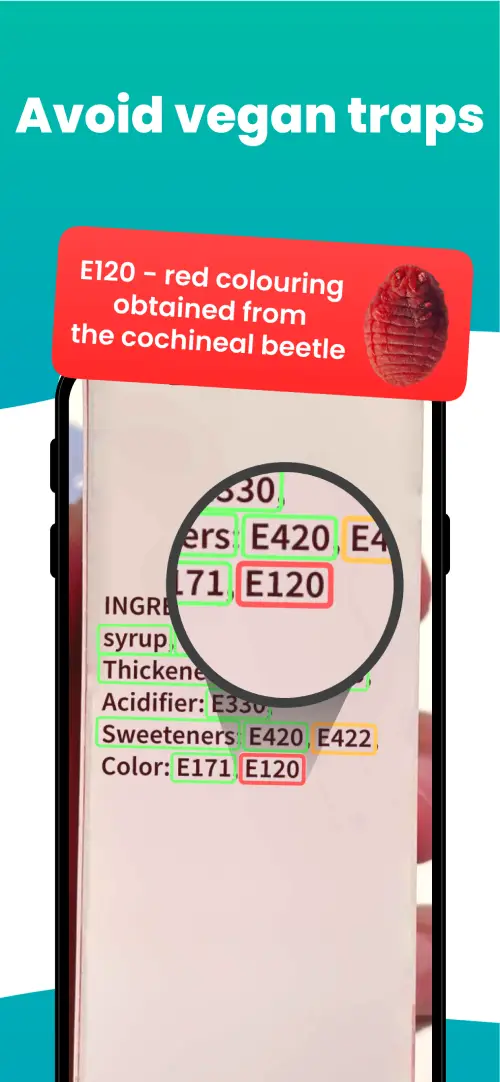
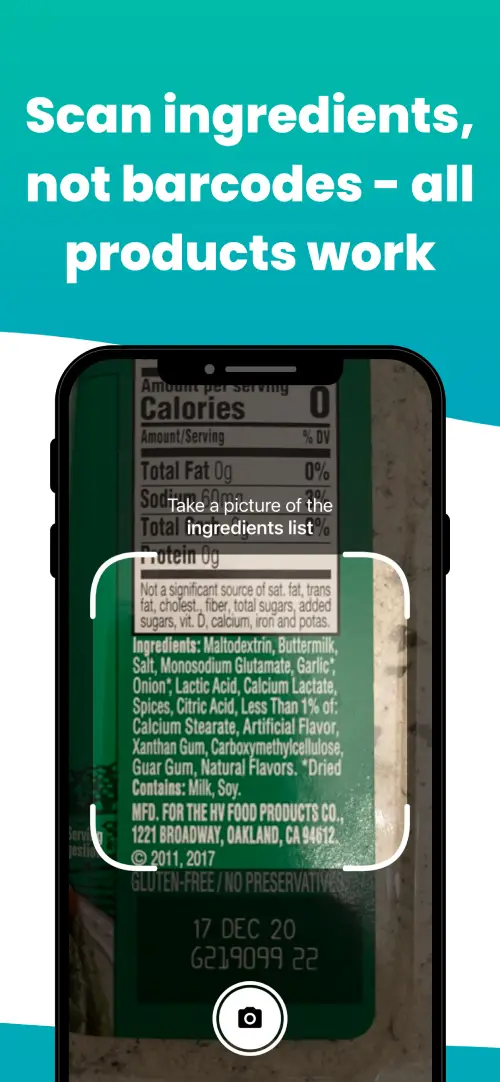
We've built a vegan ingredients scanner that classifies food ingredients as "vegan", "non-vegan", or "potentially vegan".
It allows you to avoid non-vegan ingredients - just take a picture of a product's ingredient list, and the app tells you if the product is vegan or not.



We'll never send you spam.