
Are cream solids vegan?
Cream solids is a non-vegan food ingredient.
Checking out an ingredients list? 👇
"You are amazing, this has saved me so much time when grocery shopping!"
— Austin, a user who reached out with feedback
"It's been a great tool since starting my journey! You take a pic of the nutrition/ingredients, and it'll warn you of anything questionable or not vegan. 😁"
— Ashe, a Vegan For Beginners Facebook Group member
"Use a vegan app when you go shopping, I use WhatsVegan."
— Dóra, a Vegan For Beginners Facebook Group member
So, what is cream solids?
Understanding Cream Solids in a Vegan Context
Cream solids represent a concentrated form of dairy, derived directly from the milk of mammals, predominantly cows. For anyone committed to a vegan lifestyle, understanding the origin and composition of such ingredients is paramount, as cream solids are unequivocally not vegan. Their inclusion in any product immediately disqualifies it from being considered cruelty-free.
From a food science standpoint, cream solids are essentially what remains after water is removed from cream, resulting in a powdered or granulated ingredient rich in milkfat and milk proteins. This concentration process allows for extended shelf life and versatile application in various food products, from confectionery and baked goods to savory mixes and sauces. Their source is inherently animal-based, obtained through the industrial processes of the dairy industry. This means they originate from cows, specifically from their mammary secretions, which are biologically intended for their offspring, not human consumption.
For vegans, the ethical dilemma is clear and profound. The production of cream solids is intrinsically linked to animal agriculture, a system widely recognized for its significant ethical concerns. This includes the forced impregnation of cows, the separation of calves from their mothers shortly after birth, and the eventual slaughter of these animals once their milk production declines, often at a fraction of their natural lifespan. Consuming ingredients like cream solids directly supports an industry that thrives on the exploitation of sentient beings, going against the fundamental principles of animal ethics and the pursuit of a cruelty-free existence. The very presence of these animal-derived components, however small, compromises the purity of a vegan product, making meticulous label scrutiny essential.
Identifying cream solids on an ingredient list requires diligence. While sometimes listed explicitly as "cream solids," they might also appear under broader terms such as "dairy solids," "milk solids," "milkfat solids," or simply "cream" when dehydrated. Consumers should also be aware that ingredients derived from cream solids, such as certain "butter powders" or "cheese powders" where cream solids might be a component, would likewise render a product non-vegan. Label transparency is crucial here; manufacturers committed to catering to vegan consumers will typically clearly state the absence of animal products or use certified vegan labels to ensure peace of mind.
Fortunately, the culinary landscape has evolved dramatically, offering a wealth of sophisticated plant-based alternatives that replicate the functional and textural properties of cream solids without any ethical compromises. Ingredients like coconut cream powder, cashew cream, oat milk solids, or various blends of plant-based fats and starches are expertly formulated to provide richness, mouthfeel, and stability in vegan dishes. These cruelty-free innovations allow for the creation of delicious, indulgent foods that align perfectly with a vegan ethos, demonstrating that flavor and ethical responsibility can beautifully coexist.
In summary, cream solids, being a direct derivative of animal milk, are unambiguously not suitable for a vegan diet. Their presence signifies a product's connection to animal agriculture and its associated ethical concerns. For the discerning vegan consumer and the conscious food manufacturer, prioritizing plant-based alternatives is not merely a dietary choice but a profound commitment to animal welfare and environmental sustainability. Understanding this distinction empowers individuals to make informed choices that truly reflect a compassionate lifestyle.
How to quickly find the source of ingredients like cream solids?
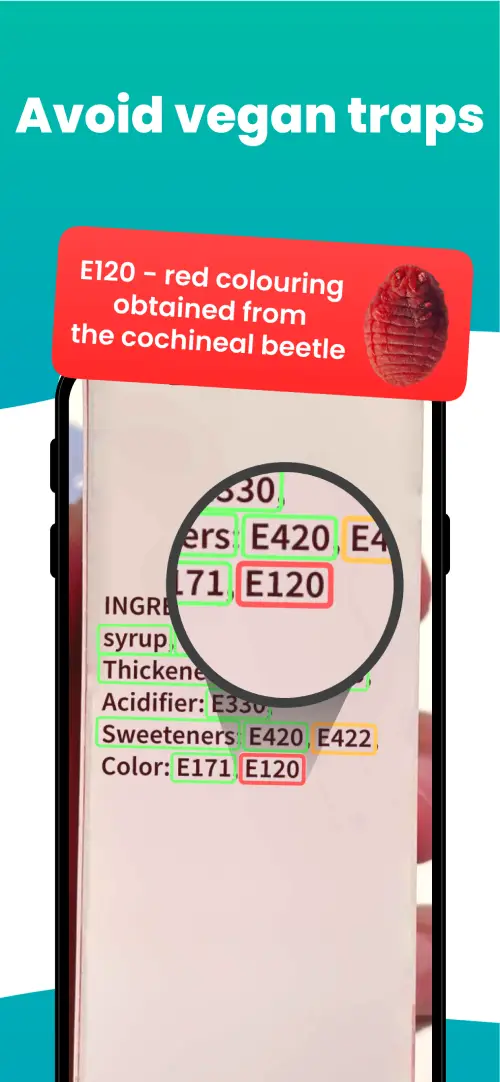
We've built a vegan ingredients scanner that classifies food ingredients as "vegan", "non-vegan", or "potentially vegan".
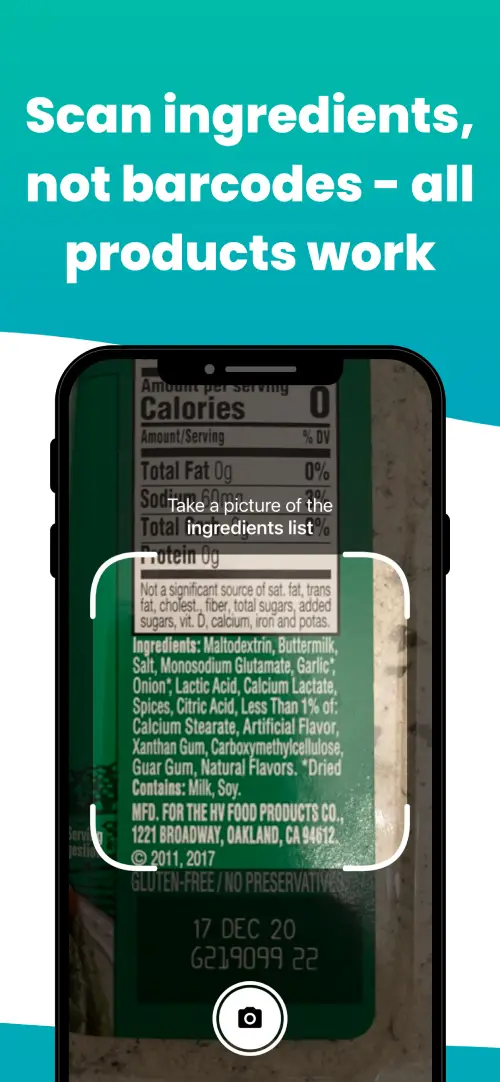
It allows you to avoid non-vegan ingredients - just take a picture of a product's ingredient list, and the app tells you if the product is vegan or not.



We'll never send you spam.