
Is primrose oil vegan?
Primrose oil is a vegan food ingredient.
Checking out an ingredients list? 👇
"You are amazing, this has saved me so much time when grocery shopping!"
— Austin, a user who reached out with feedback
"It's been a great tool since starting my journey! You take a pic of the nutrition/ingredients, and it'll warn you of anything questionable or not vegan. 😁"
— Ashe, a Vegan For Beginners Facebook Group member
"Use a vegan app when you go shopping, I use WhatsVegan."
— Dóra, a Vegan For Beginners Facebook Group member
So, what is primrose oil?
Primrose Oil: An Essential Plant-Derived Ingredient
Primrose oil, extracted from the seeds of the evening primrose plant (Oenothera biennis), stands as a venerable and highly valued botanical ingredient. Its distinct golden hue and slightly viscous texture belie a potent nutritional profile, primarily celebrated for its rich concentration of gamma-linolenic acid (GLA), an omega-6 essential fatty acid. For those navigating the landscape of plant-based nutrition and ethical consumption, understanding the uncompromised origin of primrose oil is paramount.
The sourcing of primrose oil is entirely botanical. The tiny seeds, gathered from the mature evening primrose plant, undergo a cold-press or solvent extraction process to yield the oil. This direct plant-to-oil methodology ensures that at its foundational level, primrose oil is inherently vegan. There are no animal inputs required for its growth, harvest, or primary extraction. This makes it a straightforward and readily accepted component within vegan diets and product formulations, often sought out as a plant-based alternative for individuals focusing on specific fatty acid supplementation or skin health applications.
From an animal ethics perspective, primrose oil exemplifies purity. Its production chain, when handled responsibly, is free from animal exploitation or byproducts at every stage. This aligns perfectly with cruelty-free principles, offering peace of mind to consumers who prioritize ingredients not only for their efficacy but also for their ethical footprint. Unlike certain oils or supplements that might involve animal-derived processing aids or carrier agents, the pure essence of primrose oil remains unequivocally plant-based.
However, a crucial point for label transparency and ethical diligence arises when primrose oil is incorporated into finished products, particularly supplements. While the oil itself is vegan, it is frequently encapsulated. Traditional softgel capsules are typically made from gelatin, an animal-derived protein. Therefore, meticulous label scrutiny is essential. Consumers committed to a vegan lifestyle must seek out products specifically stating "vegan softgel" or "plant-based capsule," which utilize alternatives like cellulose or carrageenan. Without this distinction, a product containing vegan primrose oil could inadvertently become non-vegan due to its delivery system. Similarly, while rare, it is always prudent to ensure that no animal-derived processing aids have been introduced at any non-essential stage of refinement if the oil is not explicitly certified vegan.
In essence, primrose oil is a testament to the richness of the plant kingdom, providing a valuable source of GLA without any ethical compromise. Its clear botanical origin makes it a cornerstone for plant-based supplementation and skincare, truly embodying the principles of purity and compassion that define the vegan ethos. With mindful selection of encapsulated forms, primrose oil remains a shining example of an ingredient that delivers both nutritional benefits and ethical integrity.
How to quickly find the source of ingredients like primrose oil?
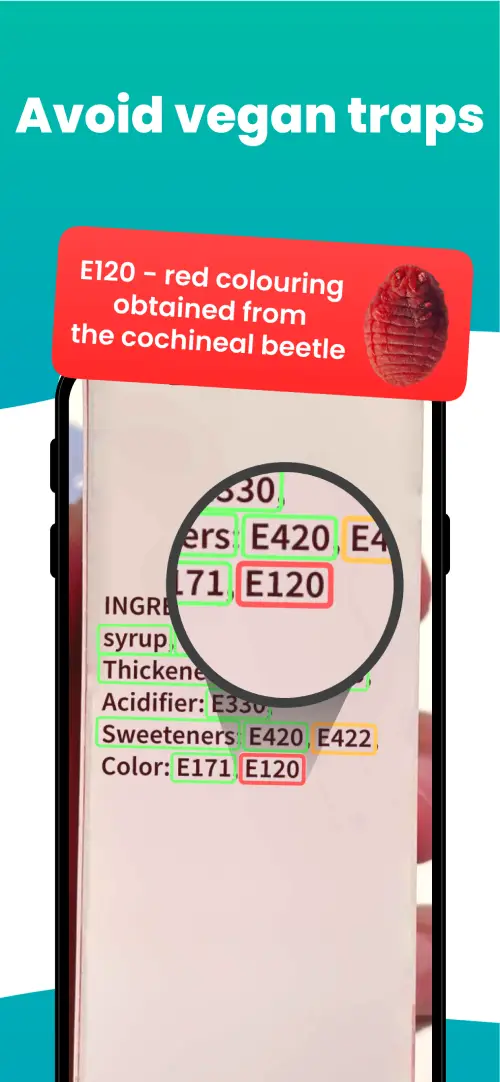
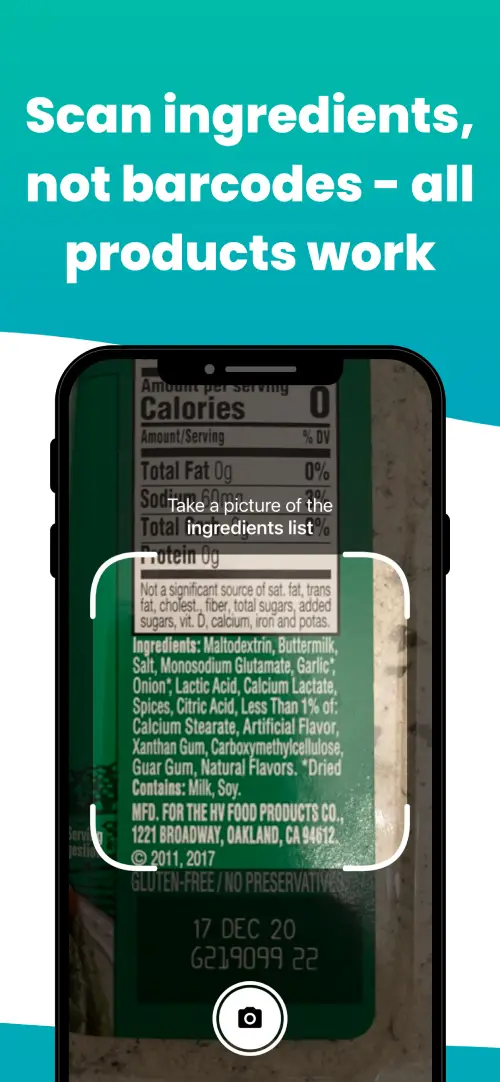
We've built a vegan ingredients scanner that classifies food ingredients as "vegan", "non-vegan", or "potentially vegan".
It allows you to avoid non-vegan ingredients - just take a picture of a product's ingredient list, and the app tells you if the product is vegan or not.



We'll never send you spam.